London’s web design market is vibrant and diverse, with solutions ranging from basic template sites to elaborate bespoke builds. If you’re planning a new website in 2026, you’re likely asking the all-important question: How much does a website cost in London? The answer depends on many variables. Website prices can span a broad spectrum – in fact, the total cost of building a professional website can range anywhere from around £500 for a simple site to over £50,000 for a complex project, depending on your needs. It’s crucial to understand what factors drive these costs so you can budget effectively and get the most value out of your investment.
Modern websites are more advanced and feature-rich than ever, which is one reason prices have risen in recent years. A cutting-edge, mobile-friendly design with custom functionality requires specialized skills and more development time, especially in a competitive hub like London. However, there are also plenty of options for smaller budgets, from do-it-yourself website builders to affordable starter packages. This guide will walk you through the key cost factors, typical price ranges for different types of websites, and what to expect from web design agency packages in London’s 2026 market.
Key Factors Influencing Website Cost
Several core factors will influence the website cost in London. Understanding these will help you determine why quotes may vary and which elements are worth the investment for your project:
-
Design Complexity: The level of design work significantly impacts price. Using a standard template or simple layout is more affordable, whereas a fully custom design with unique graphics, branding, and interactive elements requires more time (and budget) to implement. Bespoke designs ensure your site stands out, but they come at a premium due to the skilled labor involved.
-
Development & Functionality: What your site does is just as important as how it looks. Basic brochure sites with a few informational pages are straightforward to develop, but adding advanced functionality will increase costs. Features like e-commerce shopping carts, user login areas, databases, booking systems, or custom web applications involve additional coding and integration work. The more complex the functionality, the higher the development time and expense.
-
Content Creation: Content is often an underestimated cost factor. High-quality content – including well-written copy, professional imagery, graphics, or videos – enhances your website’s effectiveness, but creating it takes time and resources. If you need the agency to produce content (copywriting, photography, graphic design, etc.), this will add to the project cost. Even populating many pages with your provided content requires effort. Businesses in London often invest in tailored content to appeal to discerning audiences, which can increase upfront costs but adds long-term value.
-
SEO Optimization: Building a website with search engine optimization in mind is crucial for being found online, but it can also add to the initial cost. Many web design agencies offer basic on-page SEO setup as part of their package (such as metadata, keyword-focused content, and site structure optimized for Google). However, extensive SEO research, additional landing pages for SEO, or ongoing SEO services will cost extra. Basic SEO implementations might be included in lower-tier packages, while comprehensive SEO strategy and content optimization could add a few hundred or more to the project. In a city as competitive as London, investing in SEO can be worthwhile to help your site rank for relevant searches.
-
Responsive & Technical Requirements: Ensuring your website is responsive (mobile-friendly) and technically sound is non-negotiable in 2026. Extra effort may be needed to test and optimize the site for different devices, browsers, and to meet modern performance standards (fast load times, secure code, etc.). Implementing features like SSL security, accessibility compliance, or integrating third-party APIs can also affect the cost. These technical enhancements improve user experience and security but require additional development work.
-
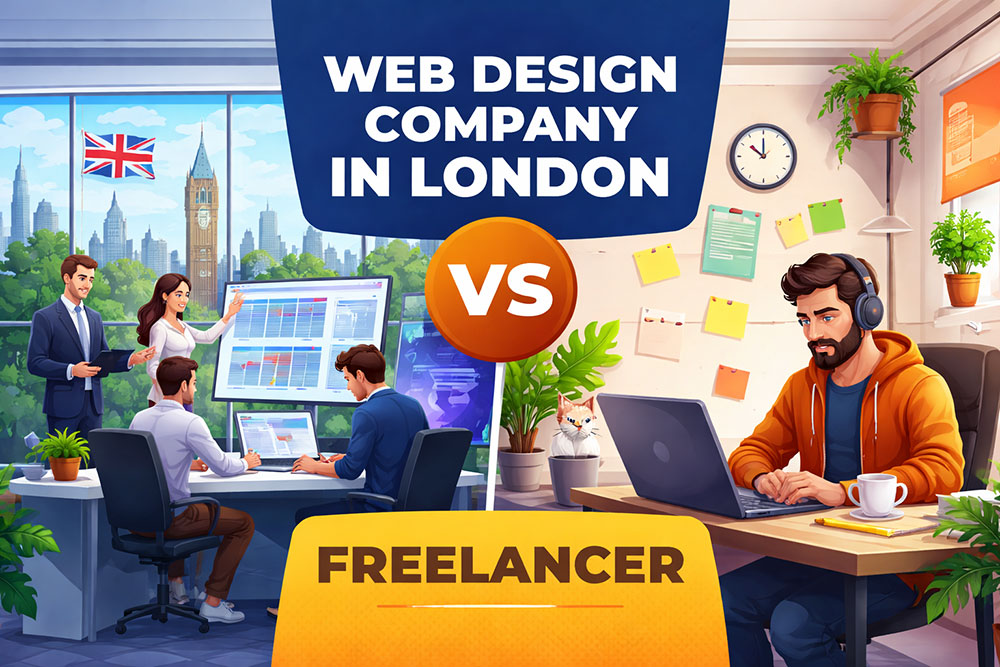
Agency Expertise and Location: Who you hire to build the site plays a big role in cost. A freelance developer or a small agency might charge less than a top-tier London web design firm with a decade of experience. In London, agencies with a strong reputation and extensive portfolio often charge premium rates. You are partly paying for their expertise, refined processes, and ability to deliver high-quality results reliably. While a highly experienced agency may quote more, they can often provide greater long-term value through better design, user experience, and support. On the other hand, there are many smaller agencies and freelancers in the UK who can create a simple website at a lower cost (sometimes even under £1,000) – though you may trade off some level of customization or support at the budget end.
Each of these factors will influence the final quote you receive. For example, a simple template-based site handled by a small team will be at the lower end of the spectrum, whereas a custom-designed site with advanced features built by an experienced London agency will be at the higher end. Next, we’ll explore typical cost ranges for different types of websites so you can further gauge where your project might fall.
Brochure Websites (Small Business Sites)
“Brochure website” is a common term for a small, informational website – essentially an online brochure for your business. These sites typically have a handful of pages (for example: Home, About Us, Services, Testimonials, Contact) and are focused on showcasing your company information or portfolio. They have limited interactive functionality beyond maybe a contact form or newsletter signup. Brochure sites are ideal for small businesses, startups, freelancers, or organizations that need a professional web presence without complex features.
Cost range: In the UK, a basic 4–5 page brochure website can cost roughly £500 to £2,500 on average. This lower range usually assumes the use of pre-made templates or themes, with minimal custom coding. For instance, some freelance web designers or budget agencies might offer a five-page starter website for around a few hundred pounds. In fact, one 2026 web design guide notes that a basic five-page website often falls in this £500–£2.5k range in the UK market.
At the higher end of brochure sites, if you want a unique design, richer visuals, or a larger number of pages, costs will increase. A professionally designed small business site from an established London agency might range from roughly £3,000 up to £10,000 or more, depending on the specifics. (Some London agencies classify a “basic” website project as anywhere from ~£4k up to £15k for a fully custom small site.) The upper end would include a bespoke design process, perhaps branding work, content assistance, and a robust Content Management System (CMS) like WordPress for you to edit content going forward.
What you get: With a brochure site, you can expect a clean, mobile-responsive design that reflects your brand, easy navigation, and informational content about your services. Most agencies will include a CMS (so you can update text and images yourself), basic SEO setup, and integration of things like contact forms, Google Maps, or social media links. Because these sites have relatively standard requirements, you might find competitive package deals. Just keep in mind that ultra-low quotes (under £500) might not include much customization or may use off-the-shelf templates with limited tweaks.
E-Commerce Website Costs
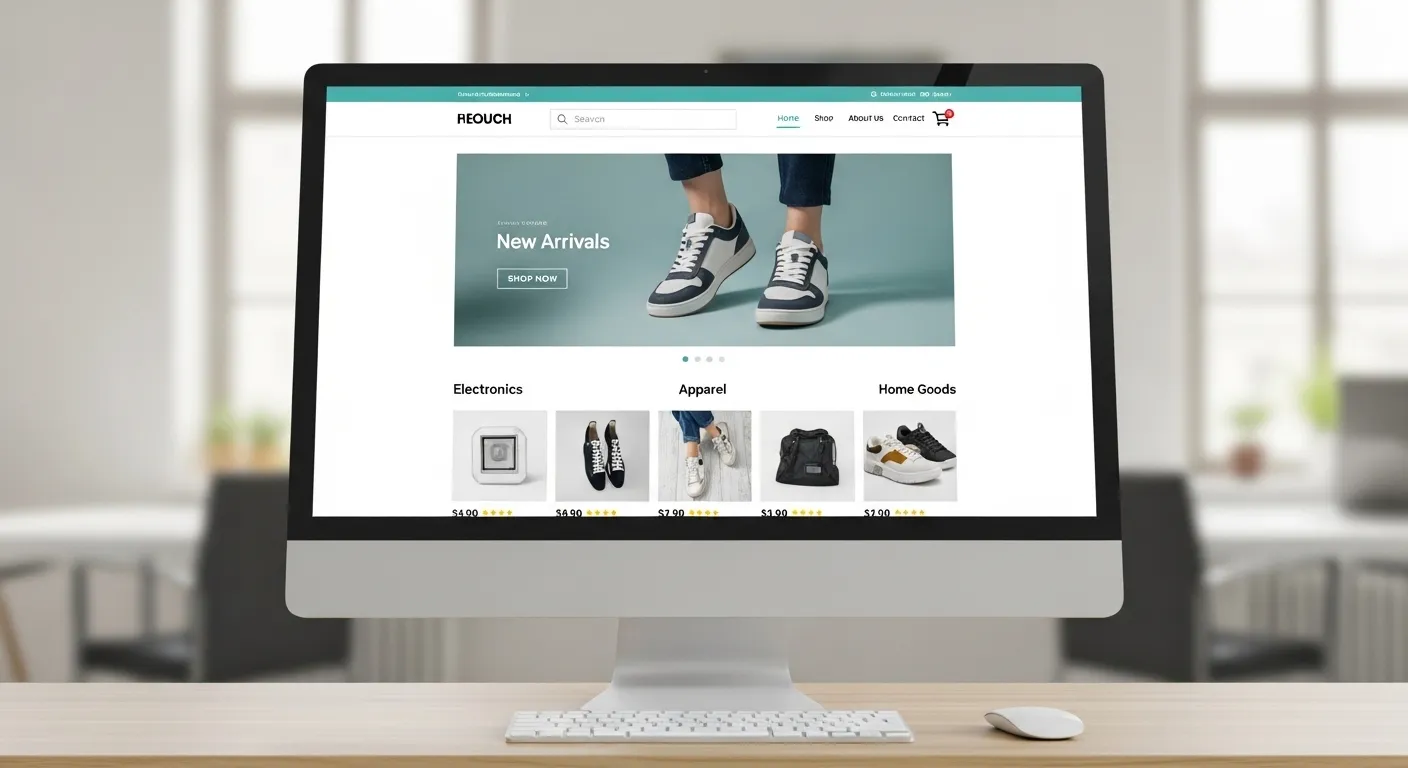
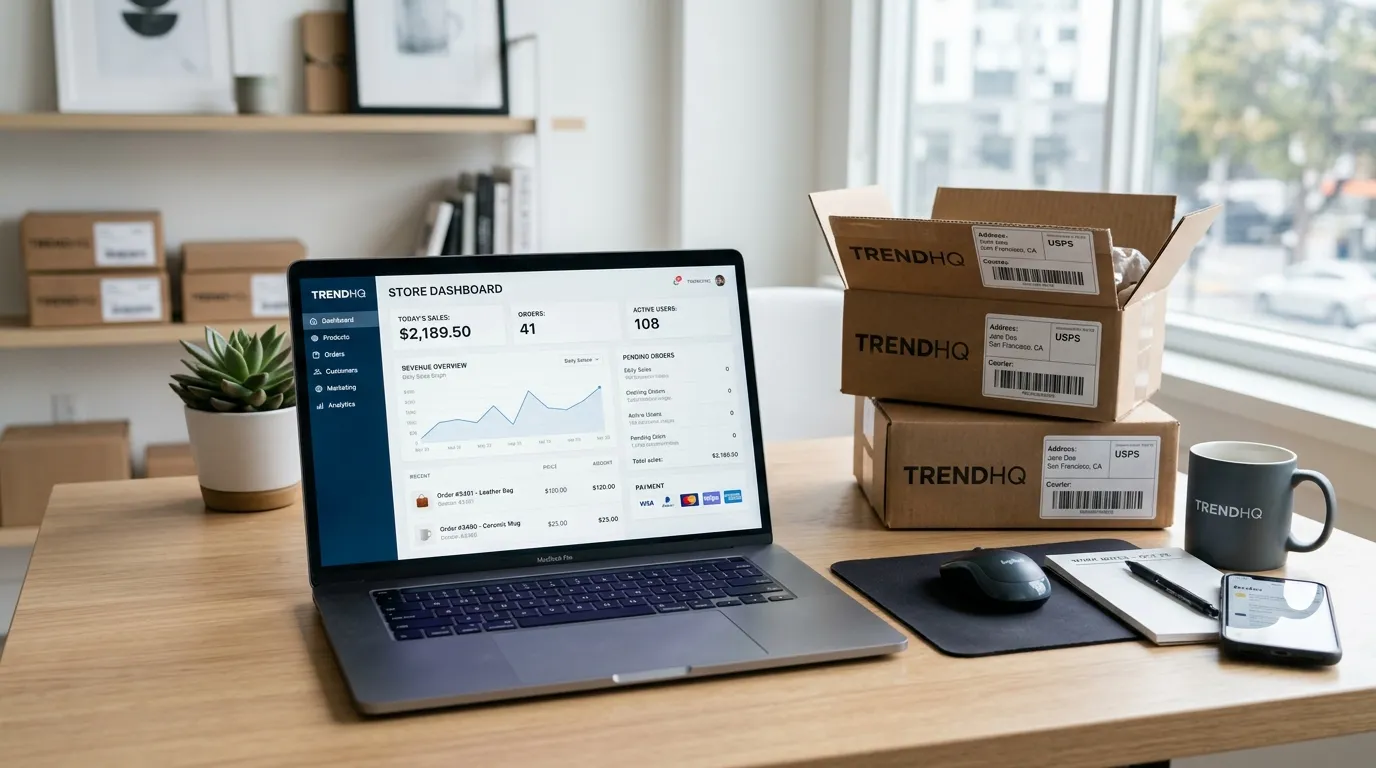
E-commerce websites allow you to sell products or services online, complete with product listings, a shopping cart, and checkout/payment functionality. Building an e-commerce site is more involved than a brochure site due to the need for product databases, secure payment processing, inventory management, and more complex user flows. In London, many businesses choose platforms like WooCommerce (WordPress), Shopify, or Magento for their online stores, but even with these frameworks, there is significant work in customization, setup, and testing.
Cost range: The cost of an e-commerce website varies widely based on scale and features. On the lower end, if you have a small catalog and use a standard template, a simple e-commerce site might start around £2,000 – £5,000. Some basic e-commerce packages (with limited products and standard functionality) can even be found starting under £1,000, but those are usually very minimalistic setups. Generally, for a professionally designed, robust online store built by a London agency, you should expect to invest a bit more. A typical mid-range online store (with a few hundred products, a custom design, and standard e-commerce features) often falls roughly in the £10,000 to £20,000 bracket.
Larger or more complex e-commerce projects – for example, a store with thousands of products, multiple user roles, custom product configurators, or integration with other systems (like a CRM or an ERP) – will increase costs further. It’s not uncommon for extensive e-commerce sites to run £20k to £50k+ in development, especially if they require bespoke features or heavy integration. Industry pricing guides show e-commerce website design costs ranging from around a few thousand up to £45,000 or more, depending on the size of the product catalog and custom requirements.
What you get: An e-commerce package from an agency usually includes setting up the product pages, categories, shopping cart, and checkout system. It will integrate a payment gateway (like Stripe, PayPal, etc.) for secure transactions, and often include basic training on how you can manage products and orders through the site’s admin panel. Expect responsive design (so customers can shop on mobile devices), basic security measures (SSL certificate for HTTPS, etc.), and possibly some on-page SEO for product pages. High-end e-commerce builds might also incorporate advanced features such as user account areas, wishlists, product filters, subscription billing, or multi-currency support – each of which can add to the cost. Given the revenue-generating purpose of e-commerce sites, investing in good development and UX design is usually money well spent to ensure smooth functionality for your customers.
Custom and Bespoke Websites
Beyond the basic brochure or standard online store lies the world of fully custom websites – these are tailor-made solutions for clients with unique requirements. A bespoke website could be anything from a large corporate site with dozens of pages and multiple user types, to a web application or portal with specialized interactive tools. Examples might include a custom property listing platform, a social networking site, a complex booking system, or an interactive web app built for a specific business process. These projects often require a team to plan and develop custom functionality from scratch or to significantly extend an existing CMS or framework.
Cost range: Custom website projects are at the highest end of the pricing scale because they are labor-intensive and require advanced expertise. In London, a complex, enterprise-level website can easily cost tens of thousands of pounds. As a baseline, many bespoke builds will start around the £10,000–£20,000 mark at minimum. For larger projects, costs can range upwards to £50,000 and even beyond £100,000 in some cases. For instance, one London agency’s pricing update noted that highly specialized websites with advanced integrations commonly ranged from about £30k up to £100k+. Similarly, industry data shows custom web applications often falling in a broad range of £10k to £100k+, depending on scope.
When you invest this level of budget, you are usually engaging in a full discovery and development process: custom UX/UI design, rounds of revisions, extensive back-end programming, integration with third-party services, rigorous testing, and perhaps ongoing support arrangements. These projects are typically quoted on a bespoke basis (rather than fixed package rates) because the requirements vary greatly from one client to another.
What you get: A fully custom website is built to your exact specifications. This means you aren’t limited by the constraints of a template or plug-in – if you need a certain feature or workflow, developers will build it for you. You’ll get a unique design that aligns precisely with your brand and user needs. Often, these projects involve custom integrations (for example, connecting the website to an inventory management system or a CRM), advanced interactive features, or creation of an entirely unique platform. High-end agencies or development teams will often include thorough project management, training for your staff, and maintenance plans in these engagements. Essentially, the sky is the limit with bespoke development – but every additional feature or complexity has an associated cost in developer hours.
Typical Web Design Packages in 2026
Web design agencies in London often offer tiered packages or at least ballpark packages to help clients understand what they’re getting at various price points. While every agency’s offerings differ, here are some common package types and what they typically include:
-
Basic Website Package (Brochure Site): This entry-level package is geared toward small businesses or individuals who need a simple online presence. It usually includes a set number of pages (often around 5 to 10 pages), a pre-designed or semi-custom template tailored with your branding, and essential features like a contact form and mobile-responsive design. Basic SEO setup (metadata, Google Analytics, sitemap) is often included. Prices for a basic package can start as low as £500–£1,000 with a smaller firm, though more full-featured packages from established agencies might be in the £2,000+ range. (For example, some UK web designers advertise 5-page brochure website packages around £499, while others may quote £3k or more for a more bespoke approach.)
-
E-Commerce Package: This package is for businesses that need an online store. It includes everything in a basic package plus e-commerce functionality: product catalog setup (often for a limited number of initial products), shopping cart and checkout integration, payment gateway configuration, and maybe basic training on how to add products and manage orders. Expect security measures like SSL and perhaps one year of support or hosting included. Pricing usually starts higher due to the added complexity – some freelancers offer simple e-commerce sites from ~£700–£1,000, but comprehensive e-commerce packages from agencies typically start in the few thousands (e.g. £3,000–£5,000 for a small shop) and go up from there with the number of products and custom features.
-
Custom/Premium Package: For a larger corporate website or a project requiring custom development, agencies will propose a premium package or a bespoke quote. This level includes custom design from scratch, possibly graphic design services, content strategy, and advanced functionality specific to the client’s needs. It might also bundle in extras like a blog, multiple custom page layouts, integration with CRM or other systems, and longer-term post-launch support. Such packages are often quoted after a consultation, but generally start around five figures (>= £10,000). Essentially, if you need anything beyond the standard website feature set, you’ll be looking at a tailored proposal. High-end agencies note that fully bespoke websites can exceed £30k–£50k depending on scope, so a premium package encompasses those possibilities.
-
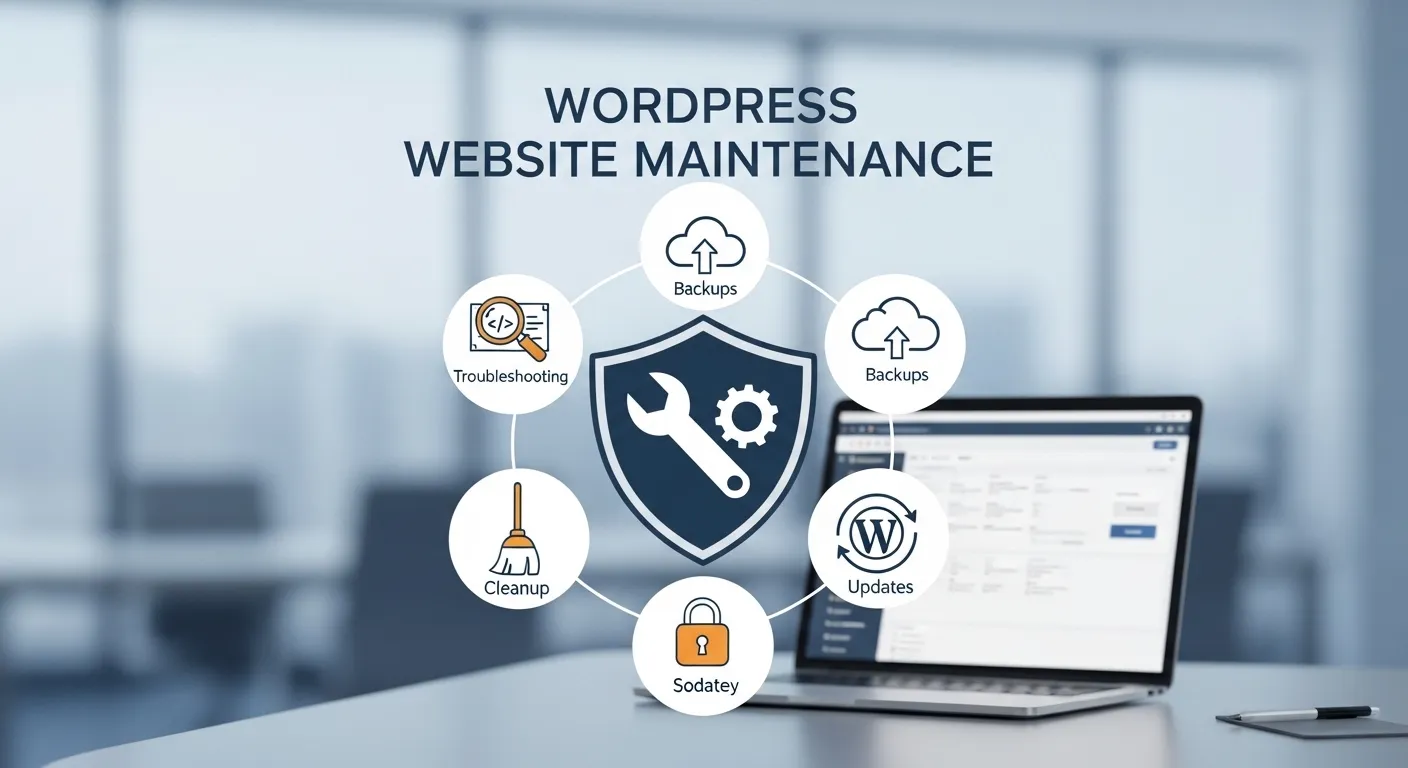
Additional Services: Many web design companies offer optional add-ons or ongoing services. These might include website maintenance packages (for monthly updates, backups, security monitoring, etc.), content creation (copywriting or blogging packages), and digital marketing or SEO packages to drive traffic after launch. Maintenance is often offered for a monthly or annual fee; for instance, maintaining a small business site might be £50–£150 per month depending on support level. SEO and marketing services vary widely in cost but could be packaged as an ongoing retainer. While these are not one-time design costs, it’s worth budgeting for them as part of keeping your website effective long-term.
Each package is designed to match different needs and budgets. As you compare, look closely at what’s included. A very cheap package might save money but could require you to do more legwork (like providing all content and images yourself, or handling your own updates), whereas a more expensive package might be “all inclusive” – covering everything from strategy and design to content population and launch support. London agencies, in particular, often emphasize full-service offerings, which can be ideal if you want a hands-off experience and a high-quality result.
Final Thoughts: Quality, Value, and Getting the Most from Your Budget
Ultimately, how much a website costs in London in 2026 comes down to your specific requirements and the level of quality you’re aiming for. As we’ve seen, you might spend only a few hundred pounds for a very basic presence, or invest tens of thousands for a top-tier bespoke site. Remember that a website is more than just a one-time expense – it’s a critical business asset and often the first impression you make on potential customers. Investing in a well-designed, user-friendly website can pay dividends by attracting clients and strengthening your brand’s credibility.
When planning your budget, consider not just the immediate development costs but also the long-term value. A cheaper website can be a great starting point for a new business, but if it looks unprofessional or lacks key features, it could cost you opportunities in the long run. On the other hand, a professionally developed site might require a higher upfront investment, but it often delivers better results and requires less overhaul down the line. Modern consumers in London (and everywhere) expect a smooth online experience – so factors like mobile optimization, fast performance, and clear navigation are worth ensuring, even if they add to the cost.
If you’re unsure where your needs fit on the spectrum, it’s wise to consult with a reputable web design agency. Most agencies, including Web Design Services London (WDSL), will be happy to discuss your project and provide a tailored quote or advice. By communicating your goals and budget constraints, you can find a solution that offers the best balance of cost and value. In the rapidly evolving digital landscape of 2026, a well-crafted website is truly an investment in your business’s future success.