
A website redesign is not about making things look pretty. It is about fixing what no longer works and building a site that helps your business grow.
Many UK businesses redesign their website every three to five years. Customer habits change. Google rules change. Devices change. If your site feels slow, outdated, or hard to use, it is already costing you leads.
Here’s the thing. A redesign without a clear checklist often leads to traffic loss, ranking drops, and wasted money.
This guide walks you through every step, in plain English, with no filler.
Why UK Businesses Redesign Their Websites?
Most redesigns start for one simple reason. The website stops bringing results.
Common signs include slow loading pages, poor mobile display, low enquiry rates, or falling Google rankings.
In the UK market, users expect fast websites, clear pricing, strong trust signals, and simple layouts. If your site feels confusing or old, people leave within seconds.
A redesign helps you fix structure, speed, content, and search visibility at the same time.
Set Clear Goals Before You Start
Before changing anything, decide what success looks like. Some businesses want more phone calls. Others want online bookings, quote requests, or product sales.
Write down clear goals such as higher conversion rate, better local visibility, or faster page speed. Without goals, design decisions become guesses. With goals, every page has a purpose.
Review Your Current Website Performance
Do not delete your old site without learning from it. Check which pages bring traffic from Google. Review bounce rate, average time on page, and top keywords. Look at Google Search Console data. Identify pages that already rank well.
These pages must be protected during redesign. Losing them can drop your traffic overnight.
Audit Your SEO Before Redesign
SEO must be handled before design work begins. Create a full list of current URLs. Map old pages to new ones.
Keep page titles, meta descriptions, and heading structure where possible. Plan proper 301 redirects for removed or merged pages.
UK businesses often lose rankings because SEO is treated as an afterthought. It should be part of the foundation.
Research Your UK Audience Again
Your audience today may not be the same as five years ago. Review age group, device usage, and search intent. Many UK users now search using voice and mobile first.
Check local terms such as service areas, city names, and postcode searches. Content must match how real people search, not how businesses want to speak.
Update Site Structure and Navigation
Navigation should feel obvious. Visitors must reach any important page within three clicks.
Group services clearly. Avoid dropdown overload. Use simple labels. A clean site structure helps users and search engines understand your website faster. Good structure also improves internal linking and crawling.
Plan Your Content Before Design
Design should support content, not the other way around. List all core pages such as home, services, locations, about, and contact.
Decide what each page must explain, sell, or answer. UK customers look for clarity. They want to know what you offer, where you operate, and how to contact you fast.
Every page should solve one problem only.
Rewrite Content for Clarity and Trust
Old websites often use long paragraphs and vague text. Rewrite content using short sentences and plain language.
Add real business details such as service areas, years of experience, and clear pricing structure if possible.
Trust grows when visitors see specific information, not marketing talk.
Focus on Mobile Experience First
More than sixty percent of UK website traffic comes from mobile devices. Your redesign must start with mobile layout, not desktop.
Buttons must be easy to tap. Fonts must be readable. Forms must be short. If mobile users struggle, Google rankings suffer too.
Improve Page Speed and Core Web Vitals
Speed is no longer optional. Google measures load time, interaction delay, and layout movement.
Compress images. Reduce scripts. Use clean code. A fast site improves rankings, reduces bounce rate, and increases enquiries.
Even one second delay can reduce conversions.
Add Strong Conversion Elements
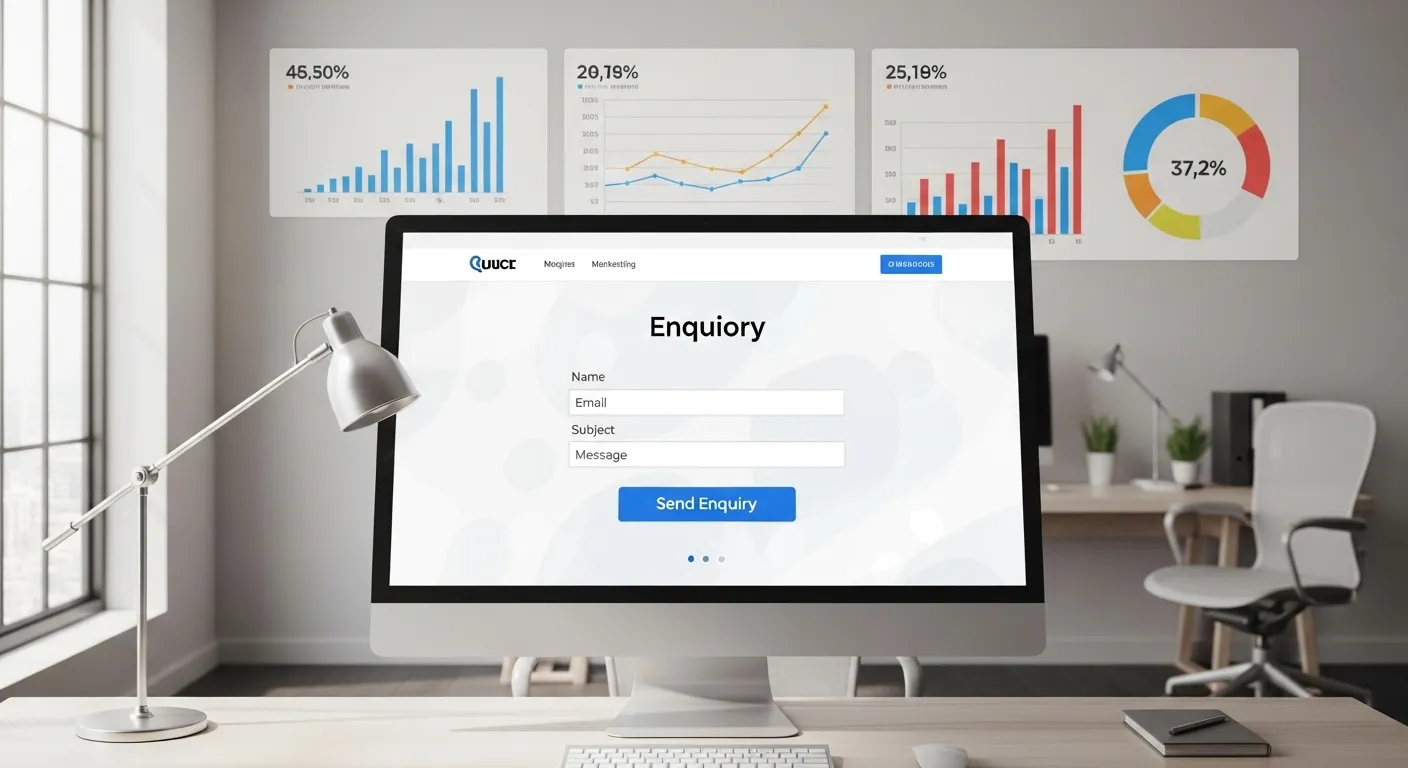
A redesign must guide visitors to act. Use clear call buttons, contact forms, and phone numbers. Place calls to action where users naturally pause.
UK service websites perform better with visible phone numbers and local cues. Never hide contact details.
Strengthen Local SEO Signals
If you serve UK cities or regions, local SEO matters. Add location-based service pages.
Include town names naturally within content. Use consistent business name, address, and phone number across the site. Local intent drives high quality leads.
Use Schema Markup Where Relevant
Schema helps search engines read your website clearly. Common types include Local Business, Organisation, Service, and FAQ.
This improves visibility in rich results and voice search answers. While users may not see schema, search engines rely on it.
Review Accessibility and Compliance
UK businesses must consider accessibility standards. Use readable fonts, proper contrast, and clear headings.
Images must have alt text.
Forms should be usable for screen readers. Accessibility improves user experience for everyone, not only compliance.
Set Up Analytics and Tracking Again
Redesign often breaks tracking. Reconnect Google Analytics, Google Tag Manager, and conversion goals.
Test form submissions and call tracking. Without data, you cannot measure success.
Test Everything Before Launch
Before going live, test every page.Check links, forms, redirects, speed, and mobile layout.
Review spelling and layout spacing. Launch day errors can damage trust fast. Testing prevents panic later.
Monitor Performance After Launch
The first thirty days matter most. Track rankings, traffic, and user behaviour. Fix crawl errors quickly.
Minor drops are normal. Major drops signal technical problems. Ongoing checks protect your investment.
Common Website Redesign Mistakes to Avoid
Many UK businesses repeat the same errors.
1. They remove pages that rank.
2. They change URLs without redirects.
3. They focus only on visuals.
4. They ignore content quality.
A redesign must balance design, SEO, speed, and usability together.
Final Thoughts
A website redesign is not a design task. It is a business upgrade. When done right, it improves trust, rankings, and sales at the same time. Follow a checklist.
Protect your SEO. Build for users first. That is how UK businesses turn redesigns into long term growth.
Also Read: How Long Does It Take To Build a Website?