London is one of the most competitive business cities in the world. Whether you run a law firm in Holborn, a café in Shoreditch, or an agency in Canary Wharf, your website shapes how people judge your brand. In many cases, it decides whether they contact you or move on.
The problem is this. Many London businesses invest in a website once and then ignore it for years. Small design mistakes slowly reduce trust, hurt Google rankings, and lower conversions. Let’s look at the most common web design mistakes and why they cost real money.
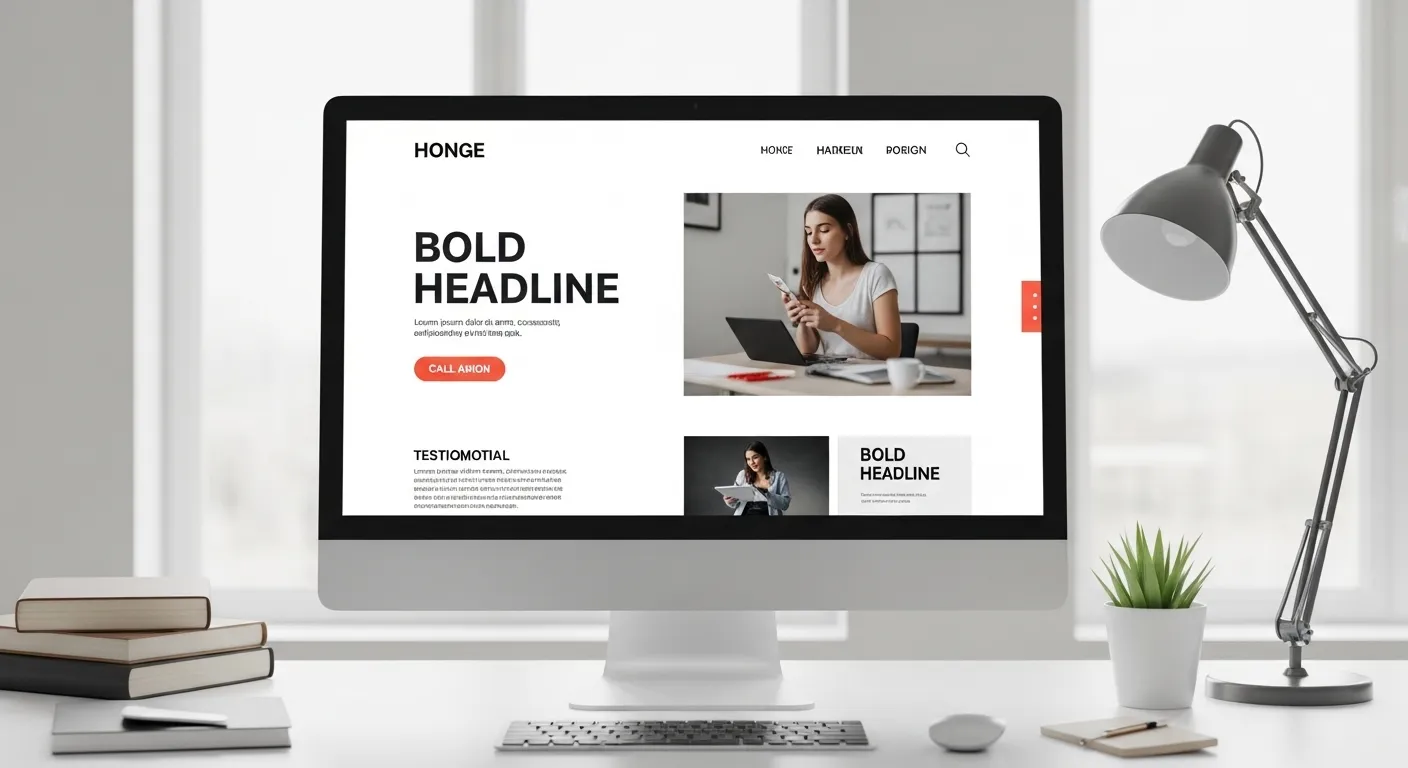
Ignoring Clear Messaging On The Homepage
Many websites try to sound clever instead of clear. Visitors land on the homepage and still cannot understand what the business actually does. If your message is vague, people leave within seconds.
In London, users compare multiple companies quickly. If your headline does not explain your service and location clearly, you lose local leads. Strong messaging improves engagement and supports local SEO for searches like solicitor in London or web designer London.
Your homepage should state your main service, who you help, and why you are different. Clarity builds confidence fast.
Overcomplicated Navigation Structure
Some London business websites try to include everything in the main menu. Too many tabs, dropdowns, and hidden pages confuse users. When visitors feel lost, they exit.
Search engines also prefer a logical structure. Clear internal linking and organised service pages help Google crawl your site properly. Poor navigation weakens both user experience and rankings.
A simple structure with focused service pages, an about section, and a clear contact page works better. Clean navigation guides users naturally toward action.
Slow Website Speed And Heavy Design Elements
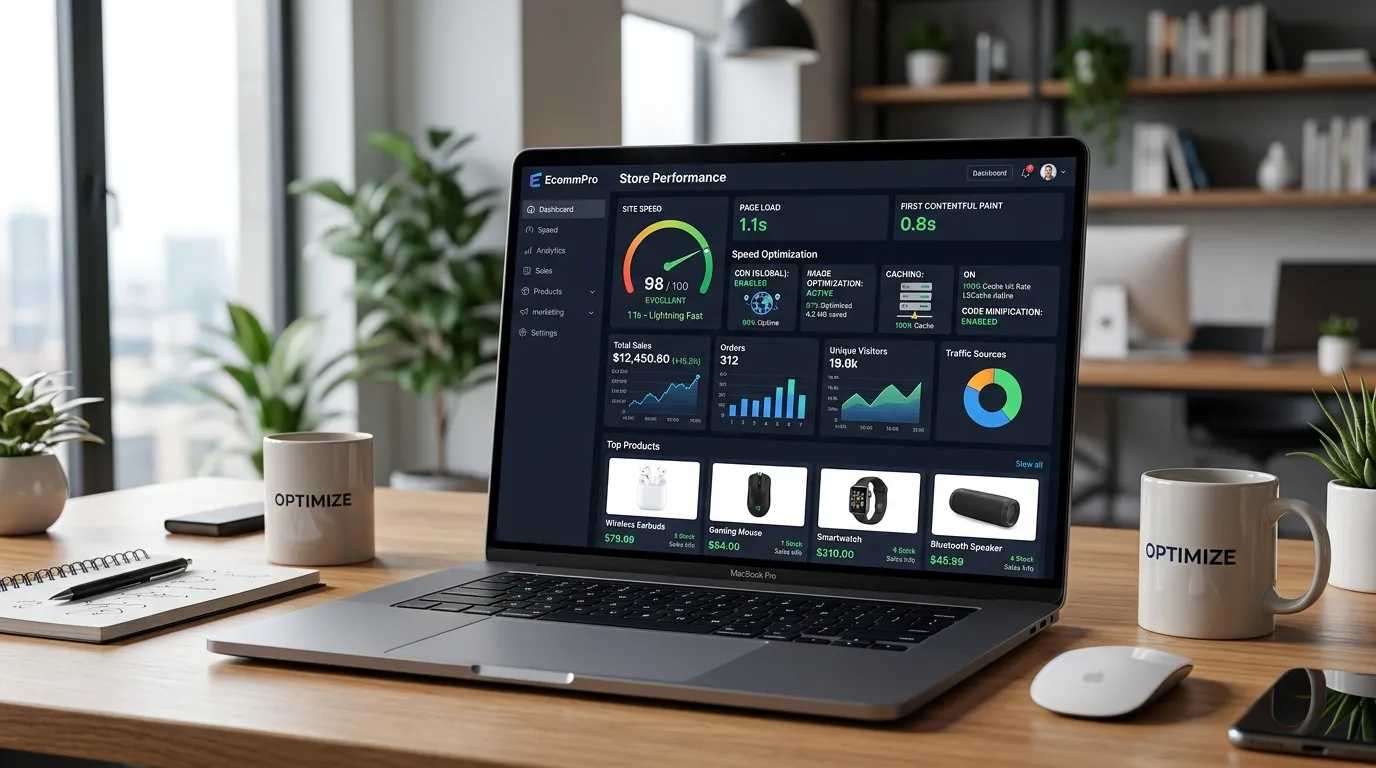
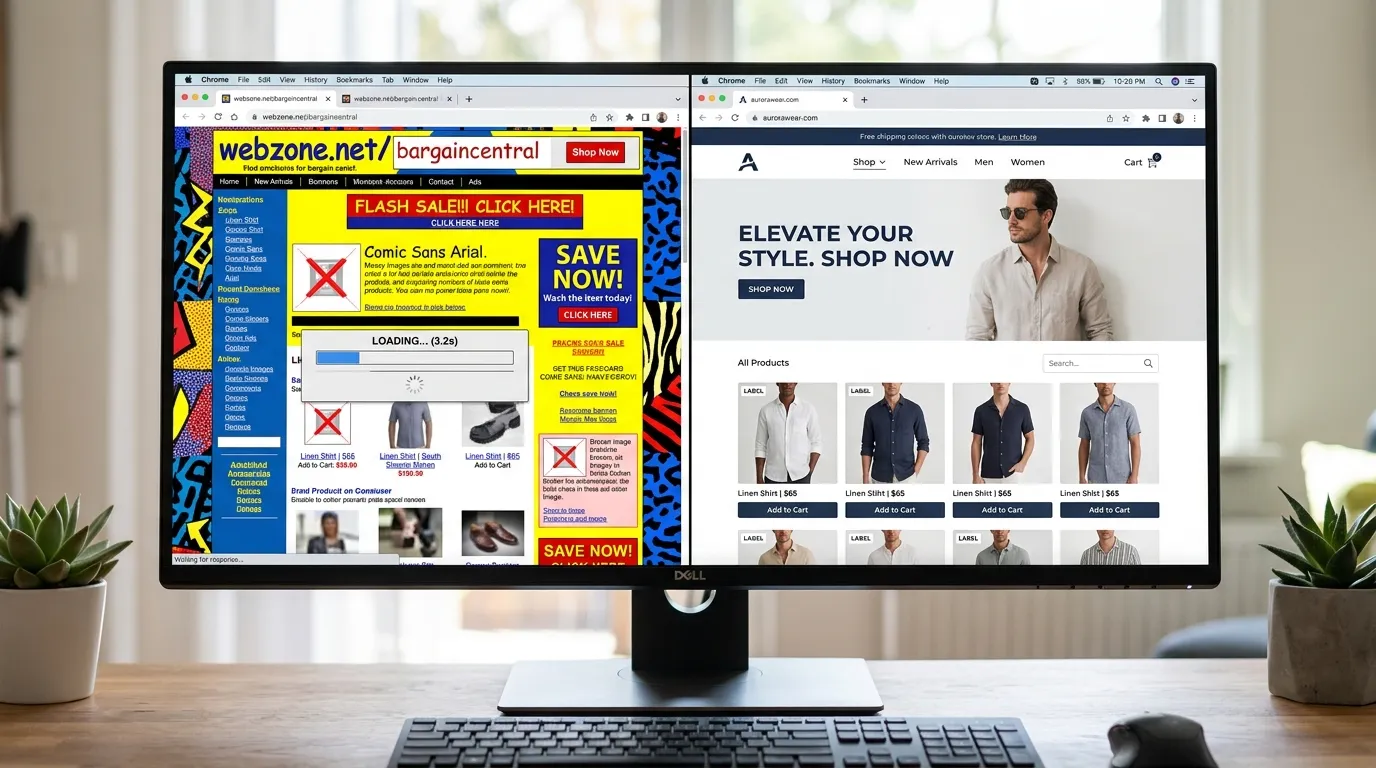
Large images, uncompressed videos, and outdated code slow many business websites across London. Even a few seconds of delay can increase bounce rate.
Google measures performance through Core Web Vitals. If your site loads slowly, your rankings drop. That means fewer people find you in local search results.
Optimised images, proper hosting, and clean development improve speed. Performance is not just technical. It directly affects trust and revenue.
Poor Mobile Optimisation
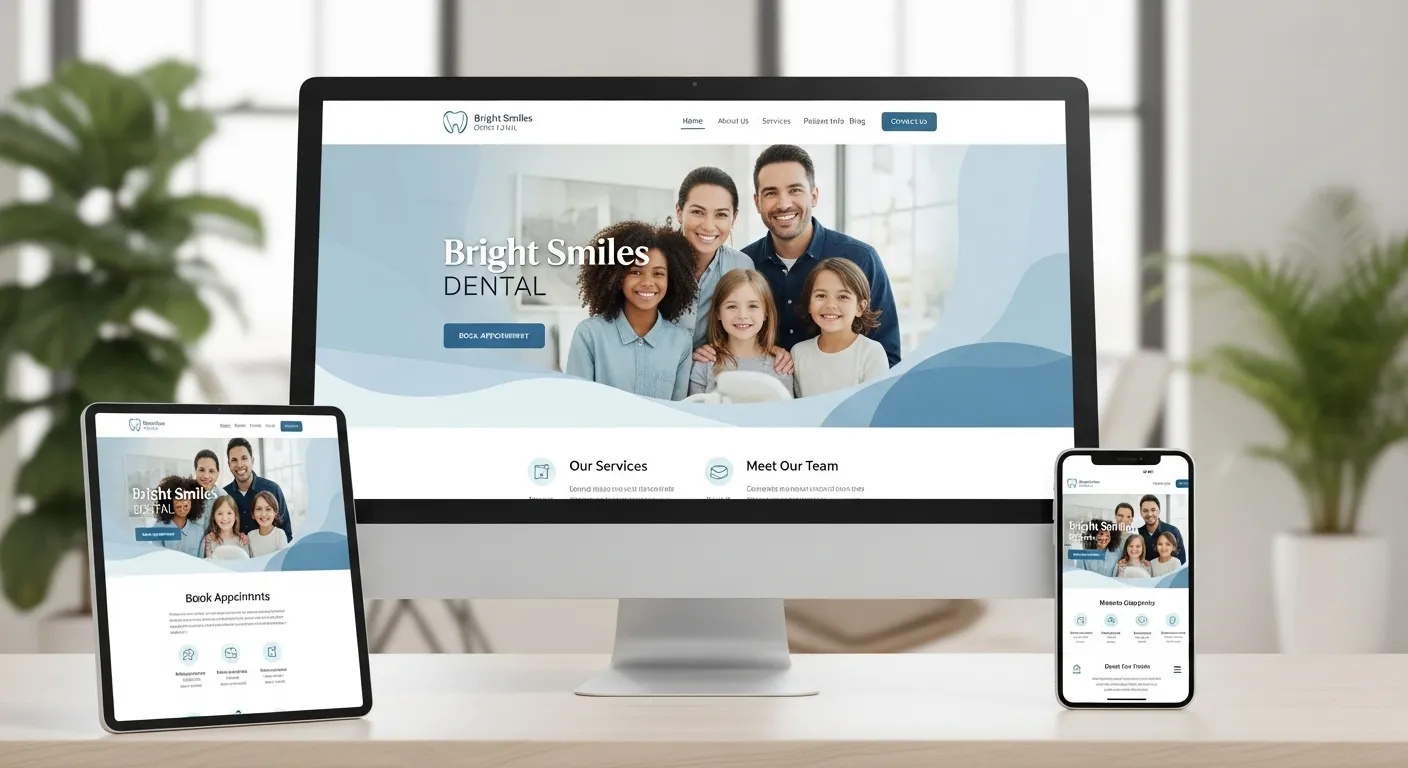
London users search on mobile while commuting on the Tube, walking through Oxford Street, or sitting in a café. If your website does not work smoothly on a phone, you lose leads daily.
Common issues include tiny text, broken layouts, and buttons placed too close together. These problems frustrate users and lower conversion rates.
Google uses mobile first indexing. If your mobile version is weak, your visibility drops. Responsive design is no longer optional for London businesses.
Weak Calls To Action
Many websites describe services well but fail to tell users what to do next. Without clear direction, visitors leave without contacting you.
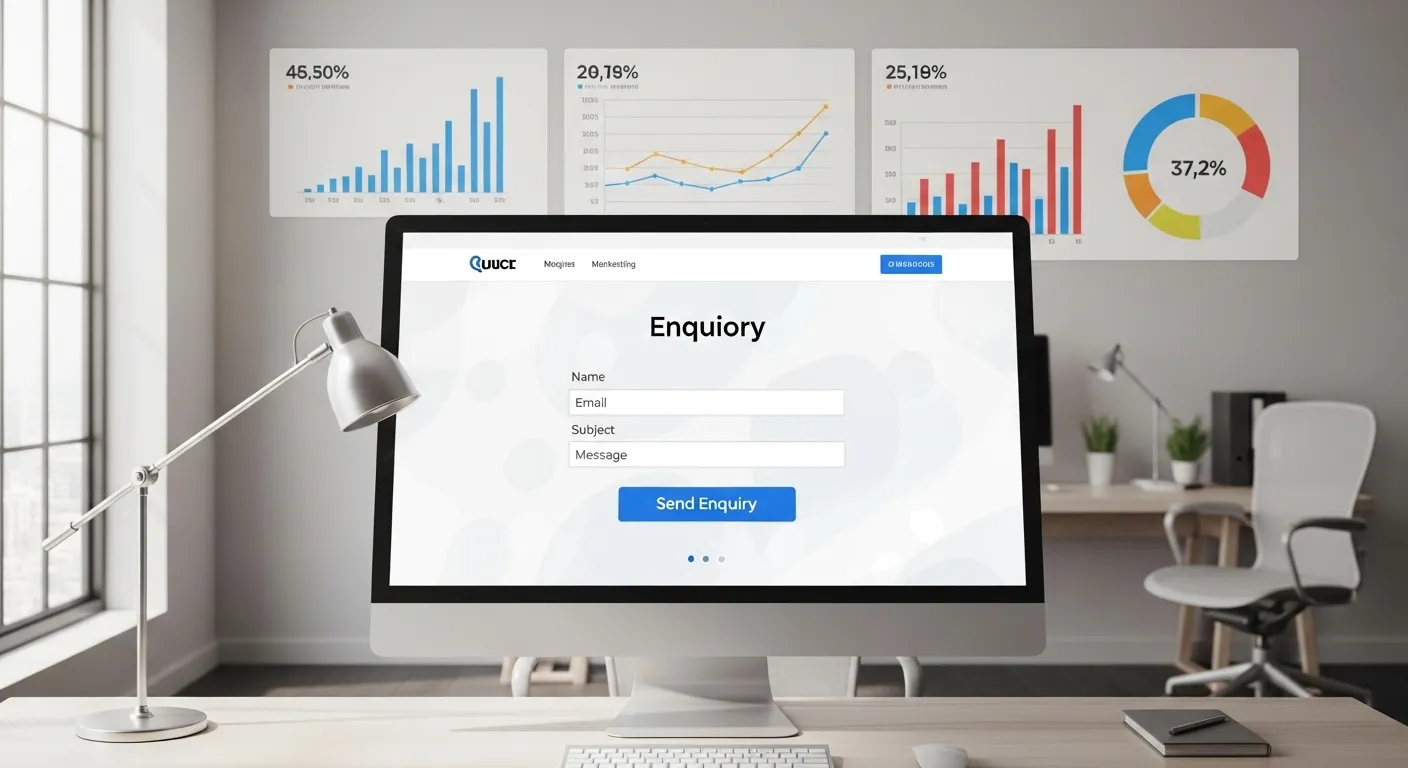
Buttons like Get A Quote, Book A Consultation, or Call Now should be visible and easy to find. Contact forms must be simple and short.
Strong calls to action improve conversion rate and reduce lost opportunities. In a competitive London market, small improvements here make a big difference.
Lack Of Trust Signals
London customers expect professionalism. If your website lacks reviews, testimonials, case studies, or clear contact details, trust suffers.
People want proof that others have worked with you successfully. Showing Google reviews, client logos, or certifications increases credibility.
Trust signals also support conversions. When visitors feel safe, they are more likely to make enquiries or purchases.
Ignoring Local SEO Elements
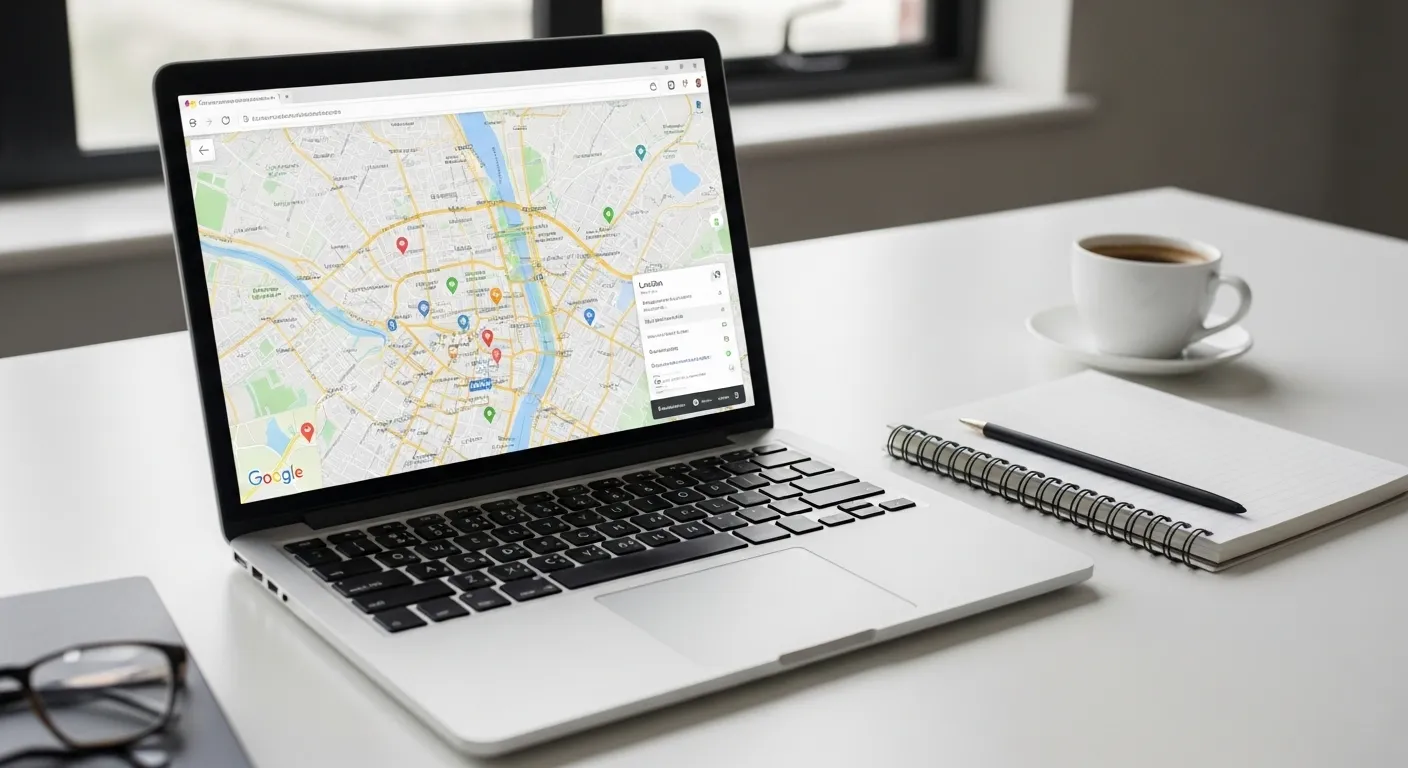
Many London businesses build attractive websites but forget local optimisation. Without proper title tags, meta descriptions, schema markup, and location specific keywords, ranking becomes difficult.
If you do not mention areas like Camden, Westminster, or Hackney where relevant, you miss local search traffic. Google needs clear signals about your service area.
Strong local SEO structure helps your business appear in searches and Google Maps results. Design and SEO must work together.
Outdated Content And Broken Pages
Some businesses update their services but forget to update their website. Old pricing, outdated team members, or broken links create confusion.
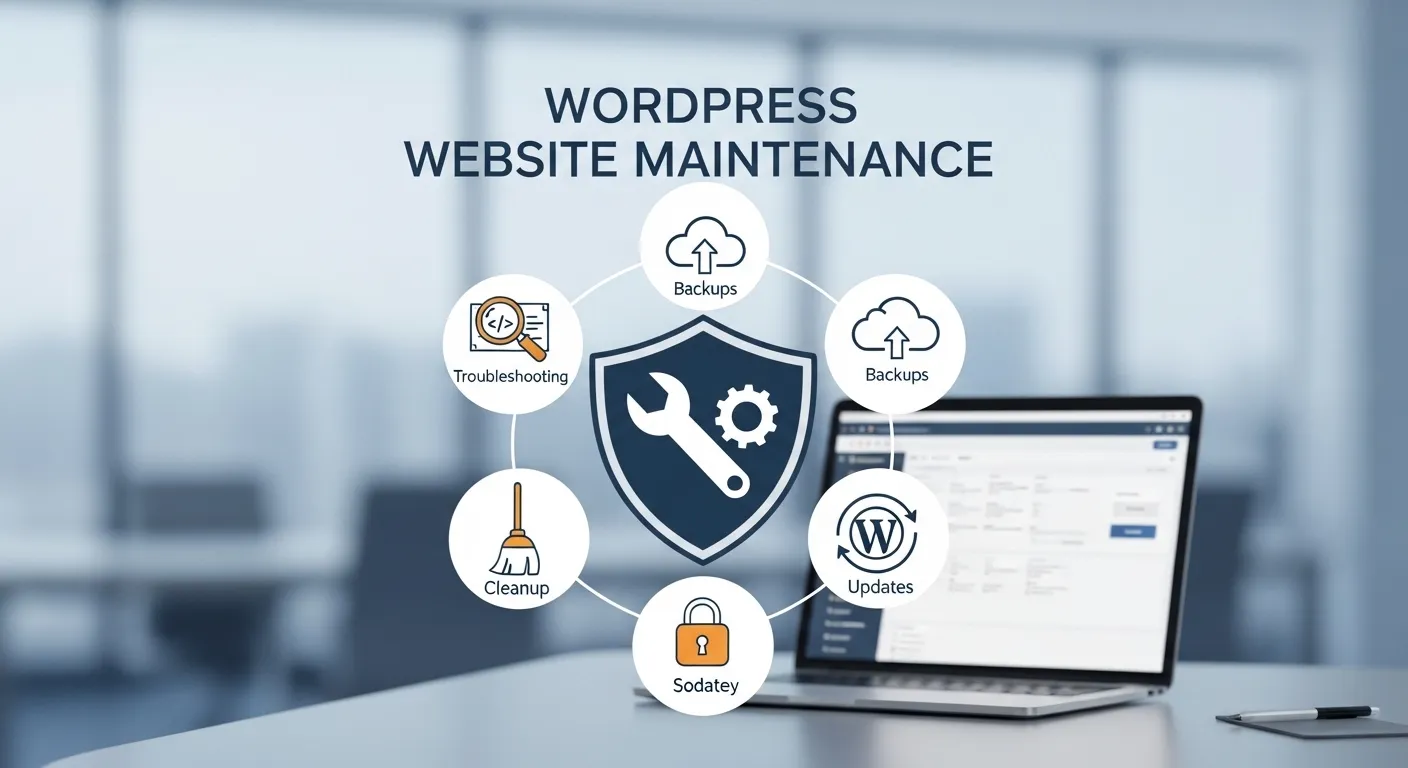
Search engines also notice inactive websites. Regular updates signal that your business is active and reliable.
Keeping content fresh improves rankings and builds credibility. A well maintained website reflects a well managed company.
Conclusion
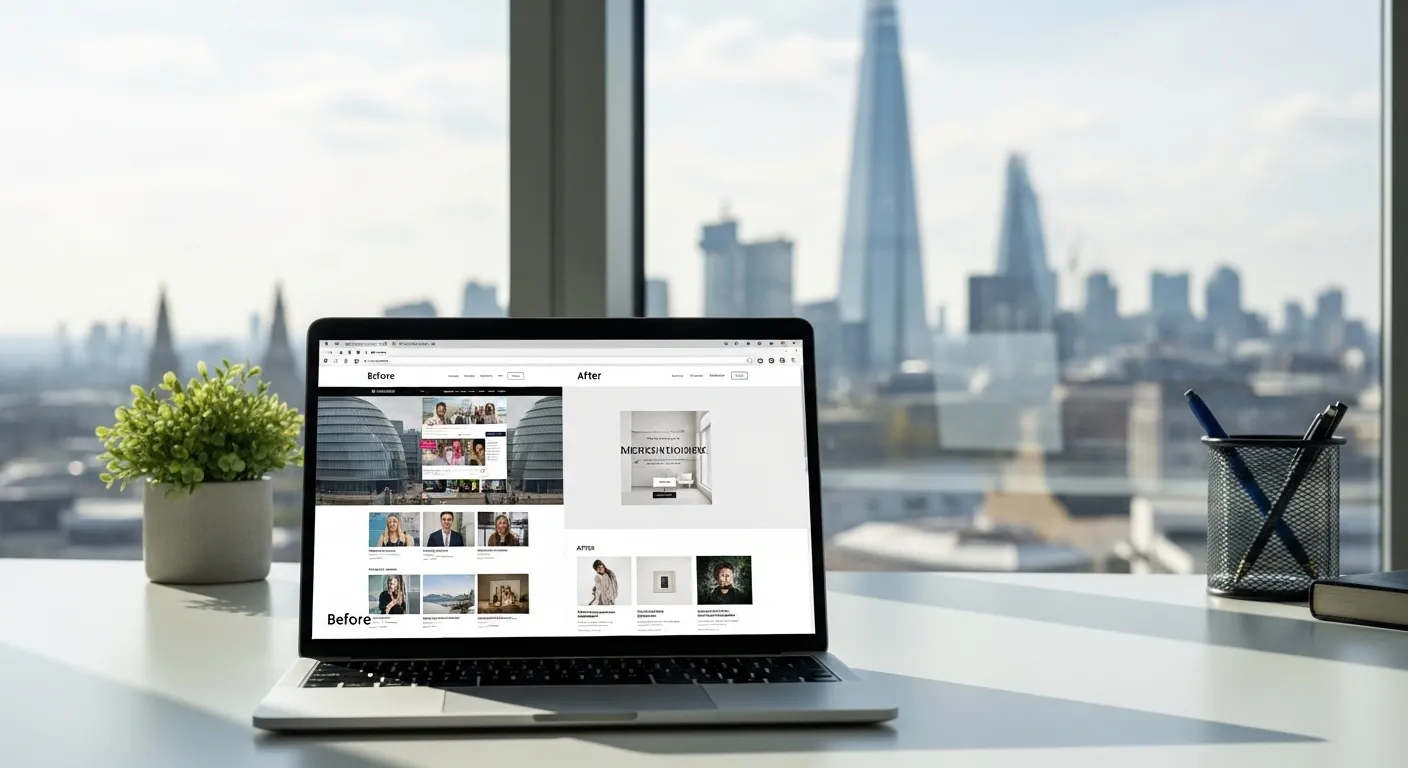
Web design mistakes often seem small at first. Over time, they reduce trust, visibility, and revenue. In London’s competitive environment, these issues cost real growth.
Clear messaging, fast speed, mobile optimisation, strong calls to action, and proper local SEO form the foundation of a high performing website. When these elements work together, your website becomes a reliable source of leads.
If your current site shows several of these problems, reviewing and improving it could strengthen your market position and increase conversions.