London is full of small and medium businesses competing for the same customers. People compare services online before calling or visiting. In most cases, your website is the first impression.
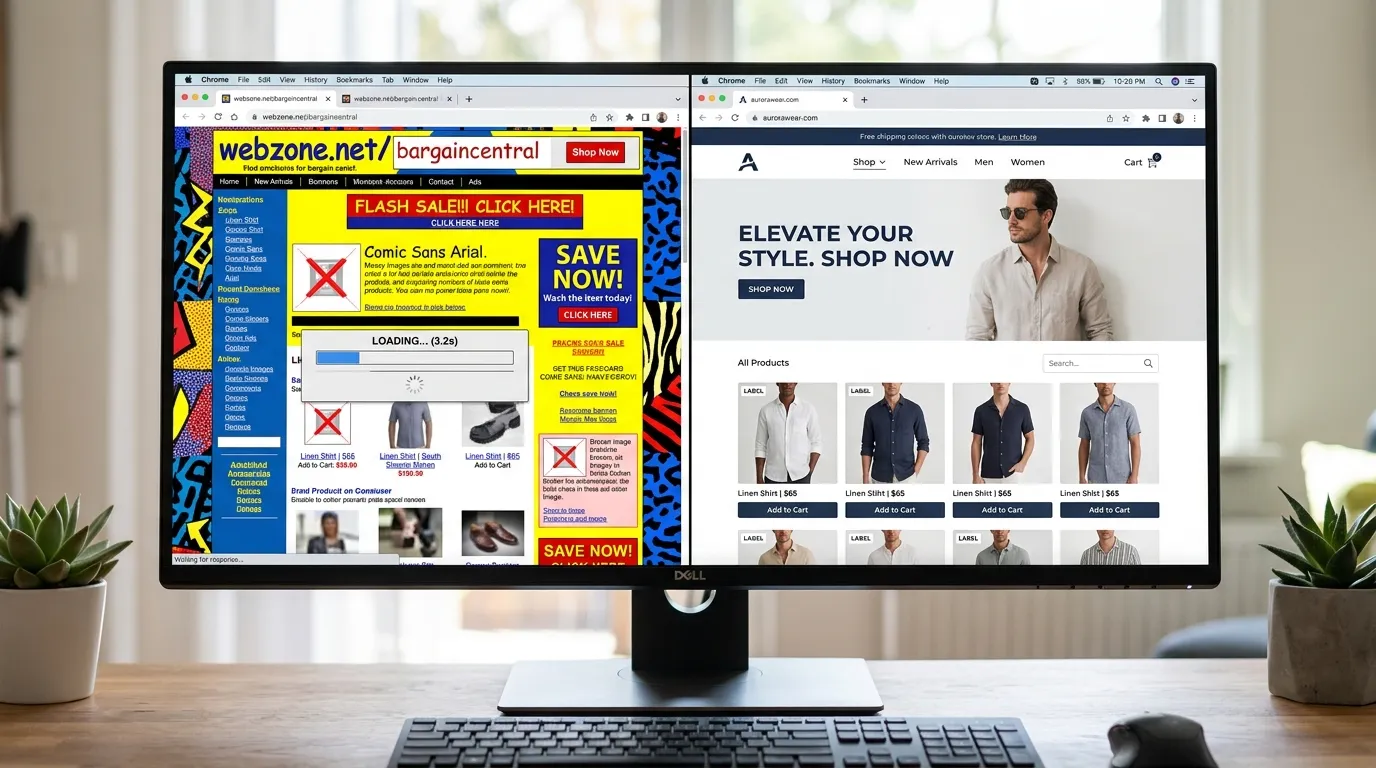
If your website looks confusing, slow, or outdated, visitors leave within seconds. They do not care how good your service is if the site feels hard to use.
Good website design helps London SMEs gain trust, keep visitors engaged, and turn traffic into real enquiries. This guide explains what actually works and why it matters.
Why Website Design Matters For London Small Businesses?
London customers have endless options. One search can show dozens of businesses offering the same service. Your website must quickly answer three questions in a visitor’s mind.
Is this business real?
Can they help me?
Can I trust them?
Design affects all three.
A clean layout, clear message, and smooth experience make users stay longer. A messy website pushes them straight back to search results.
For SMEs, good design is not about looking fancy. It is about being clear, fast, and easy.
Mobile-First Design Is No Longer Optional
Most local searches in London happen on phones. People search while commuting, walking, or sitting in cafés. If your website does not work perfectly on mobile, you lose customers instantly.
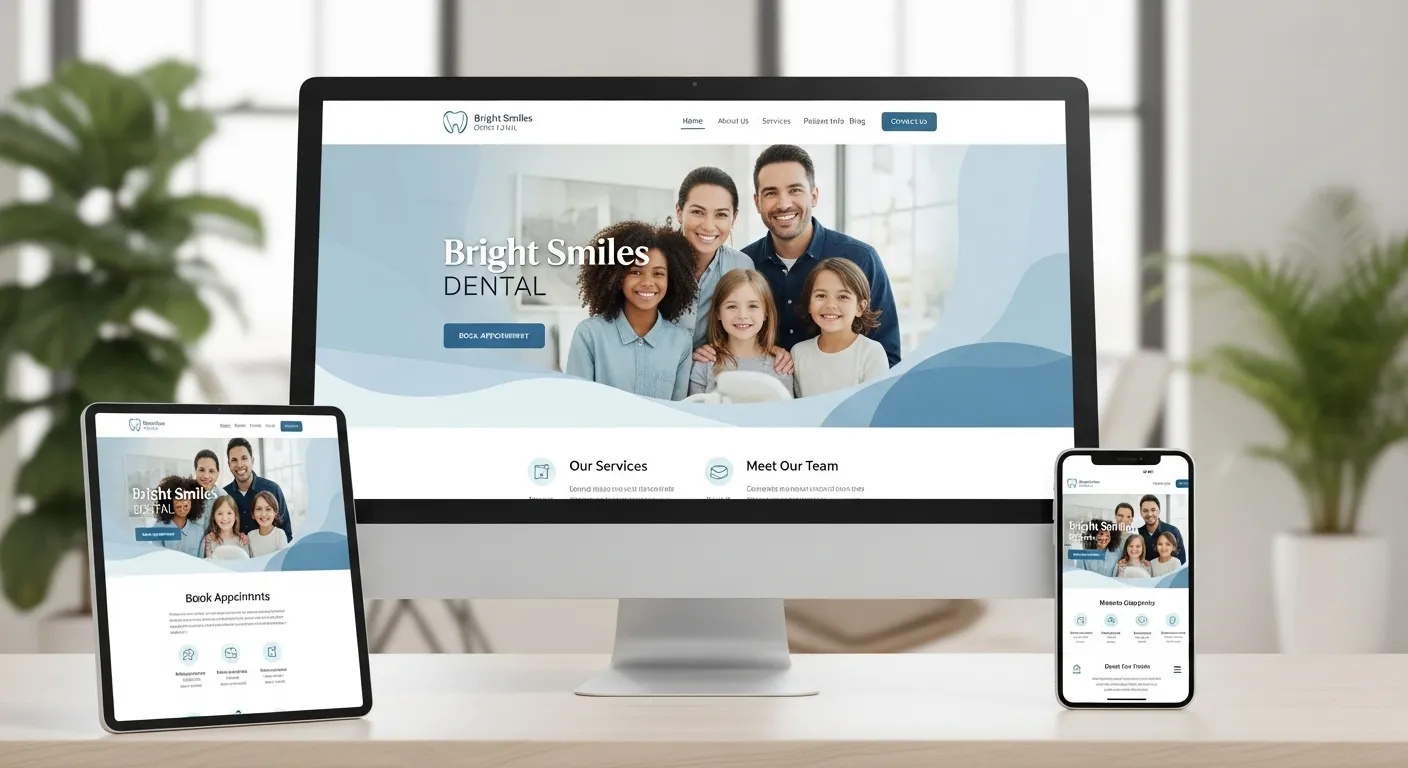
Mobile-first design means the site is built for phones before desktops. Text must be readable. Buttons must be easy to tap. Menus must be simple.
Google also ranks mobile-friendly websites higher. A poor mobile layout affects both user trust and search visibility.
Website Speed Directly Affects Conversions
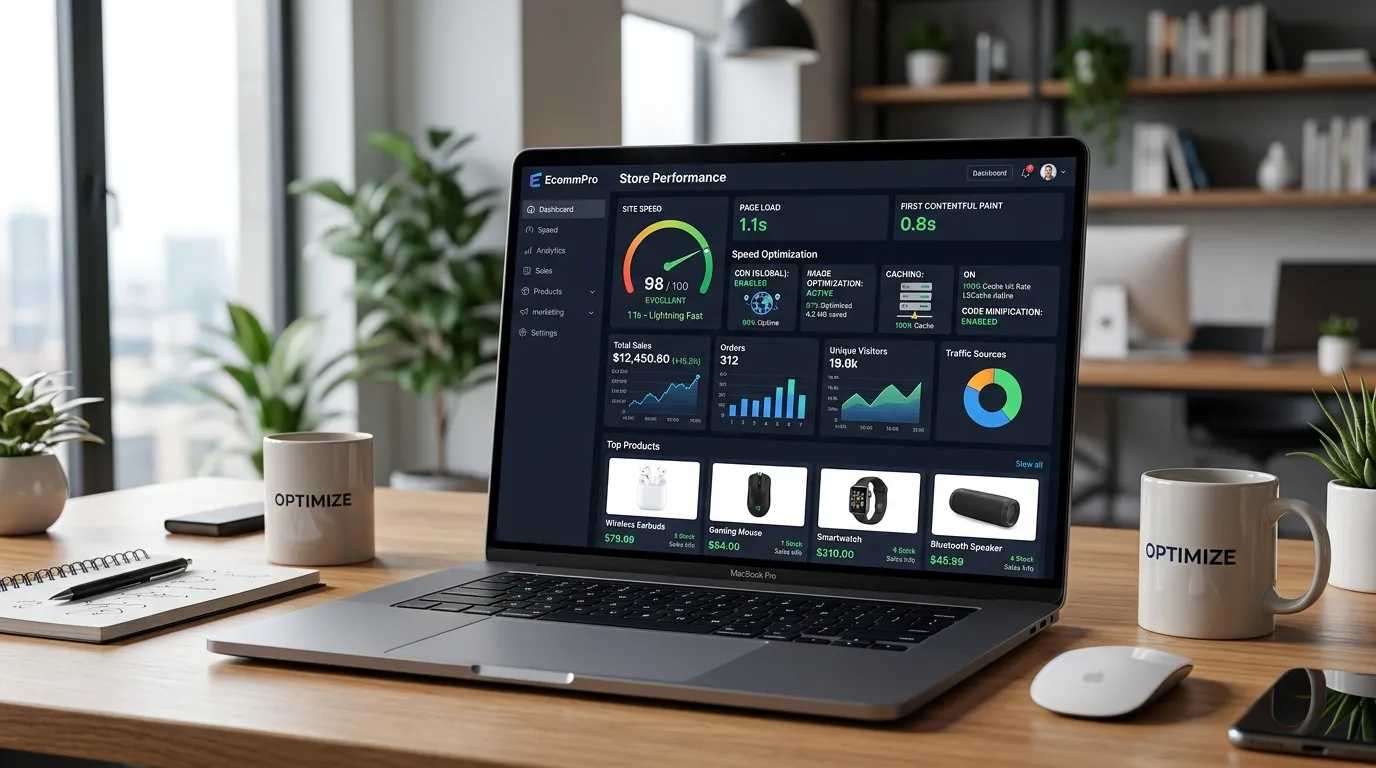
London users expect websites to load fast. If a page takes more than a few seconds, most visitors leave without reading anything.
Slow websites increase bounce rate and reduce enquiries. Search engines also lower rankings for slow pages.
Good design uses clean code, compressed images, and simple layouts. Speed is not technical decoration. It is part of good design.
Simple Navigation Keeps Visitors On Your Site
Many SME websites fail because visitors cannot find basic information. People should reach services, contact details, and location within seconds.
Menus must be short and clear. Pages should follow a logical flow. Users should never feel lost.
If visitors struggle, they leave. Simple navigation improves time on site and builds confidence in your business.
Clear Messaging Beats Fancy Graphics
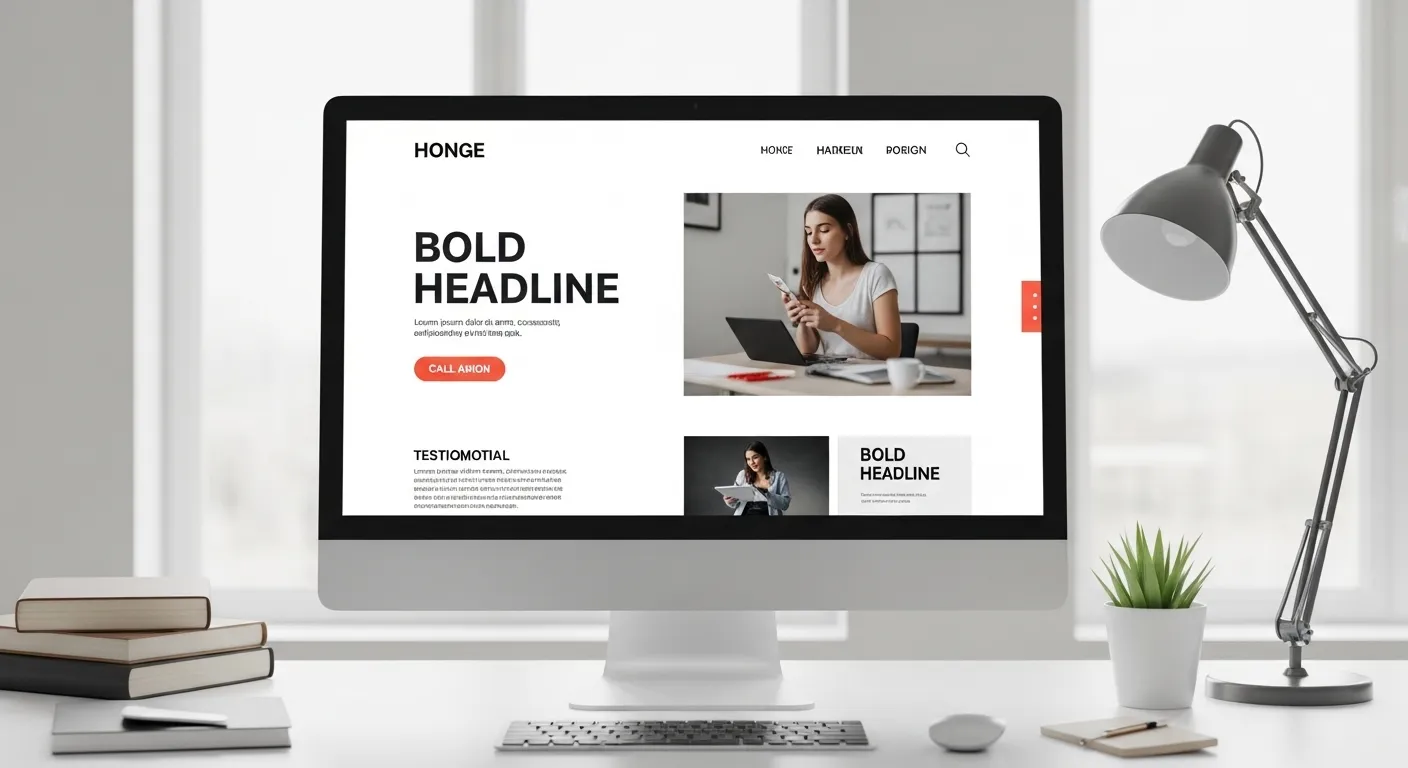
Your homepage must explain what you do in the first few seconds.
Visitors should not guess your service. They should see it immediately in plain language. London users skim quickly. Long introductions push them away.
Strong website design focuses on clarity before visuals. Graphics support the message, not replace it.
Strong Calls To Action Guide The User
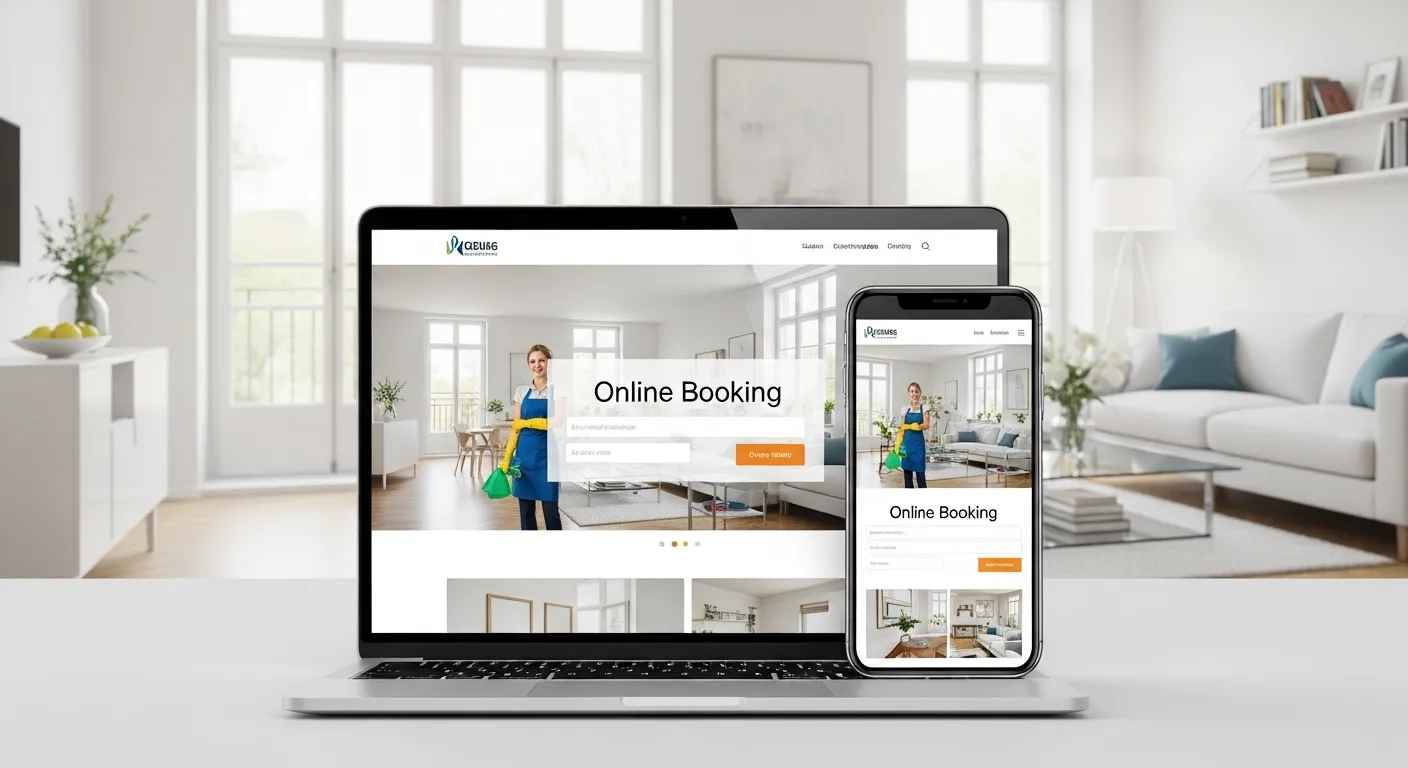
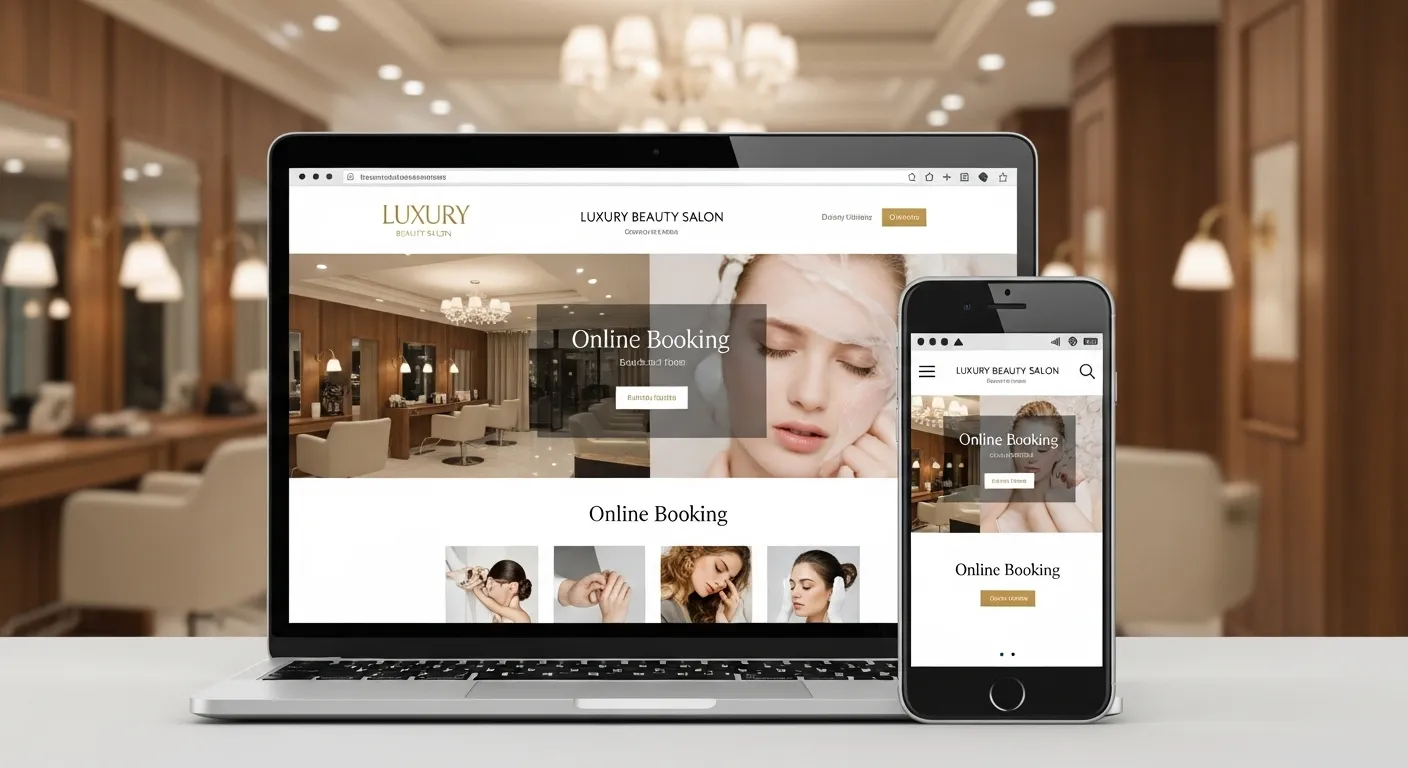
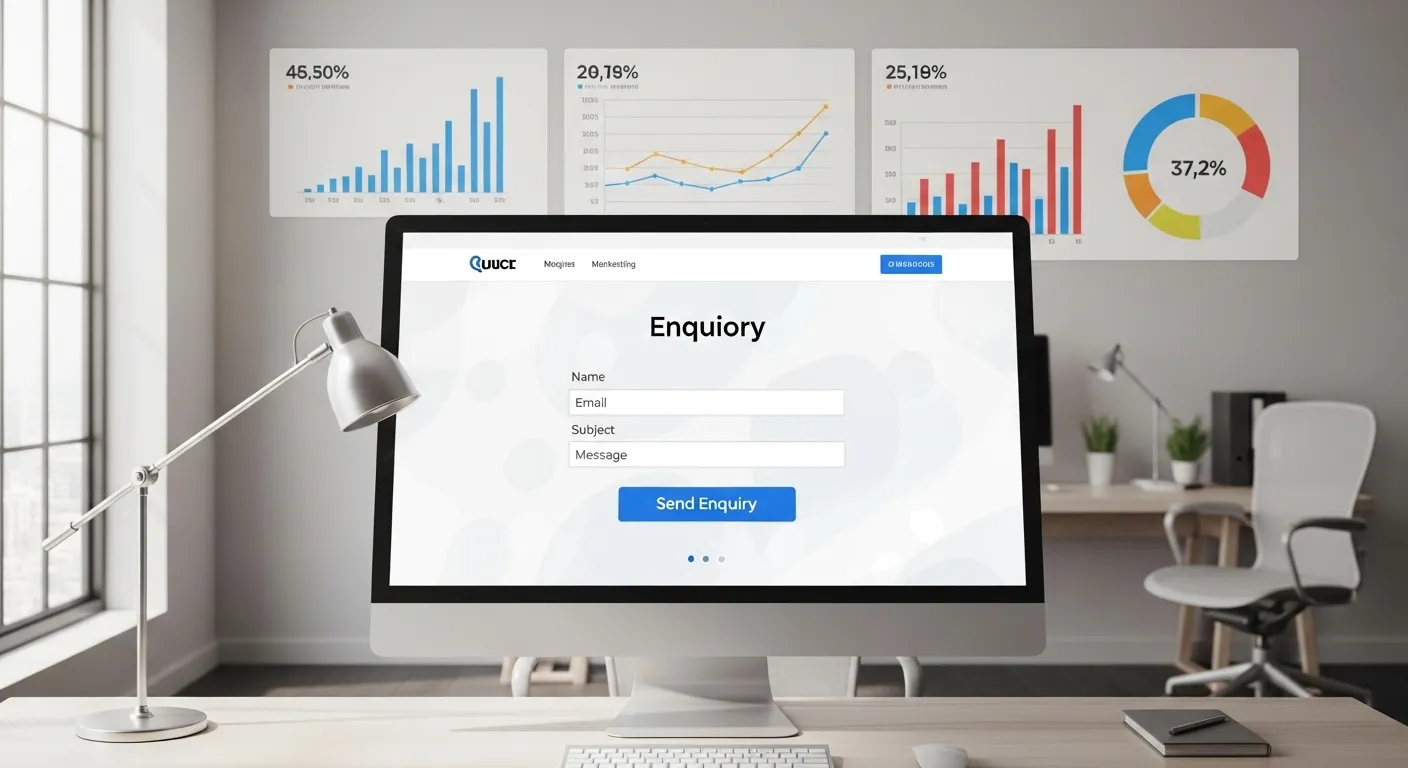
Every page should guide visitors toward one main action. That could be calling, filling a form, booking a service, or requesting a quote.
Buttons should stand out visually and use clear language. Confusing or hidden actions reduce conversions.
Design without direction leads to traffic with no results.
Trust Signals Are Essential For London SMEs
People want proof before contacting a business. Website design should clearly show trust elements.
This includes reviews, testimonials, business address, contact number, and service areas. Professional layout also acts as a trust signal.
A poorly designed site makes users doubt the business even if it is legitimate.
Local Design Signals Improve Local SEO
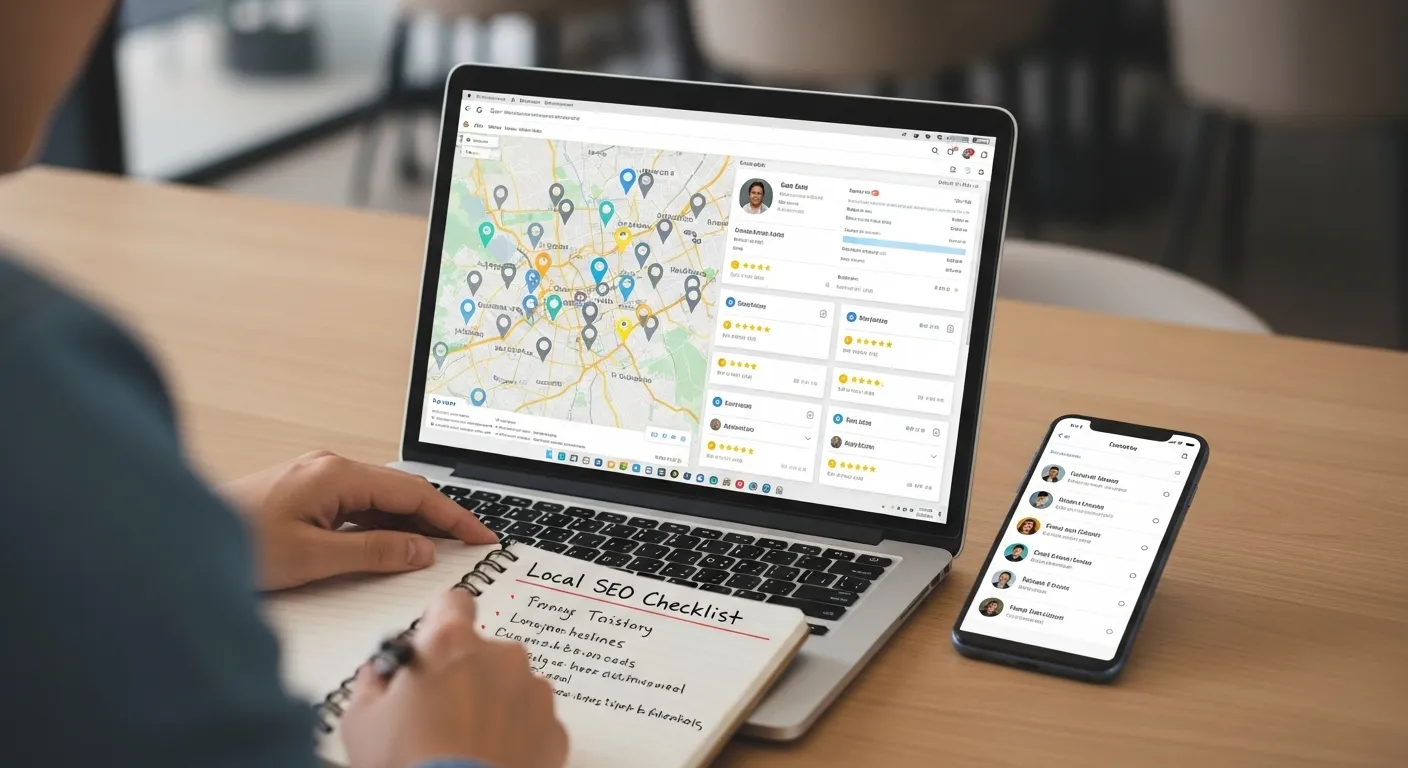
Design and SEO work together. Location details, service areas, and structured pages help search engines connect your business with local searches.
London SMEs benefit from including area relevance naturally across the website. Design should support this with clear page structure and readable content.
Search engines prefer websites that are easy for users to understand.
Accessibility Improves Reach And Usability
Good design works for everyone. Text should be readable. Colors should contrast properly. Fonts should be simple.
Accessibility helps users with different needs and also improves overall experience. Google favors websites that are usable for a wide audience.
This is not about compliance alone. It is about making your website easy for real people.
Consistent Branding Builds Recognition
Your website should match your brand across social media, signage, and advertising. Colors, tone, and layout must feel consistent.
Consistency builds familiarity. Familiarity builds trust.
When users recognize your brand, they are more likely to contact you instead of competitors.
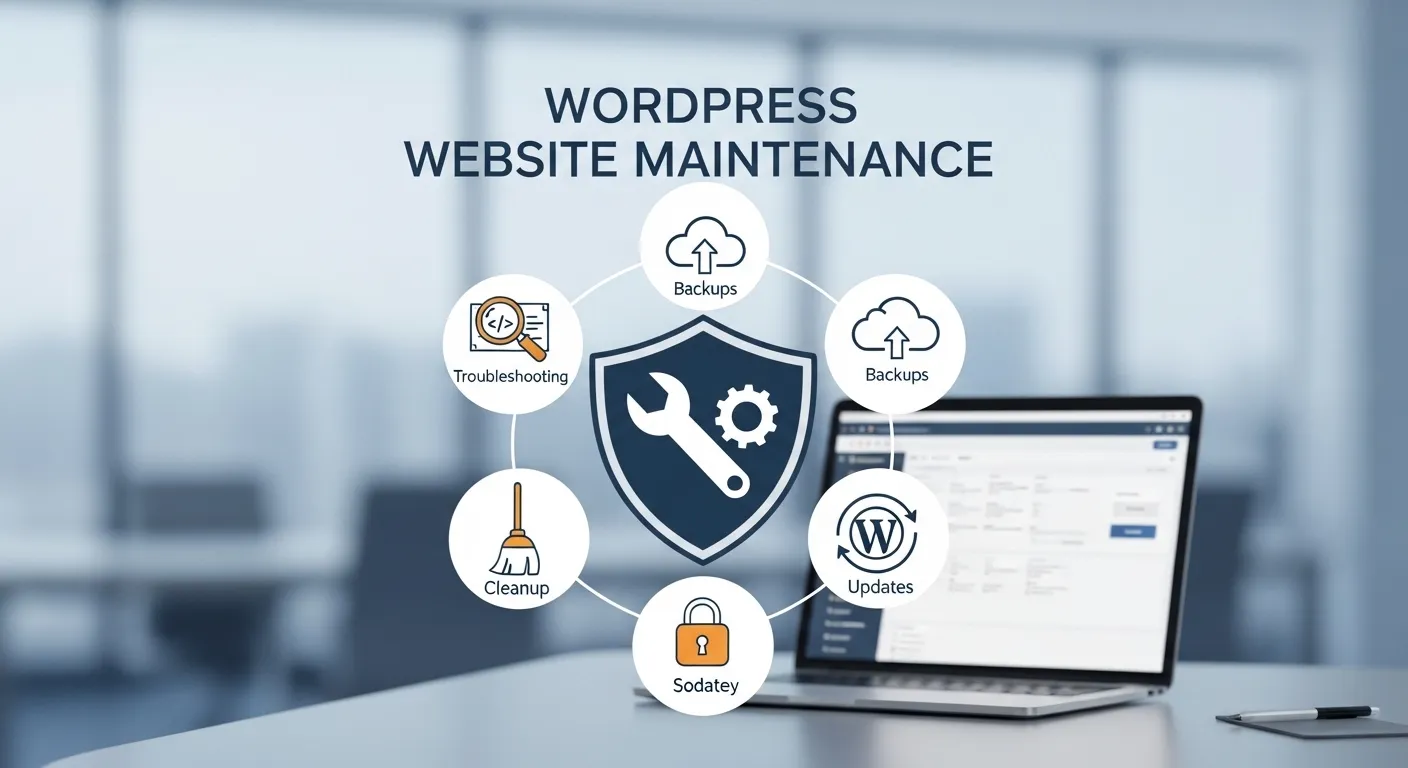
Secure And Updated Design Builds Confidence
London customers are cautious online. If your site looks outdated or insecure, trust drops fast.
Secure certificates, clean layouts, and modern structure signal professionalism. Design must evolve as user habits change.
An old-looking website often suggests an inactive business even if operations are strong.
Common Website Design Mistakes SMEs Make
Many London SMEs struggle online due to basic design issues. These include overcrowded pages, unclear headlines, poor mobile layouts, slow loading times, and missing contact information.
Fixing these problems often improves results without increasing marketing spend.
Good design removes friction between customer and action.
Conclusion
Website design plays a major role in how London SMEs attract and convert customers. A well-designed site builds trust, improves visibility, and turns visits into enquiries.
Design is not about decoration. It is about clarity, speed, usability, and confidence.
In a competitive city like London, your website is not just an online presence. It is your main sales tool.
Businesses that invest in smart, simple website design stand out while others fade into the background.
Also Read: Why London Businesses Need Local SEO?