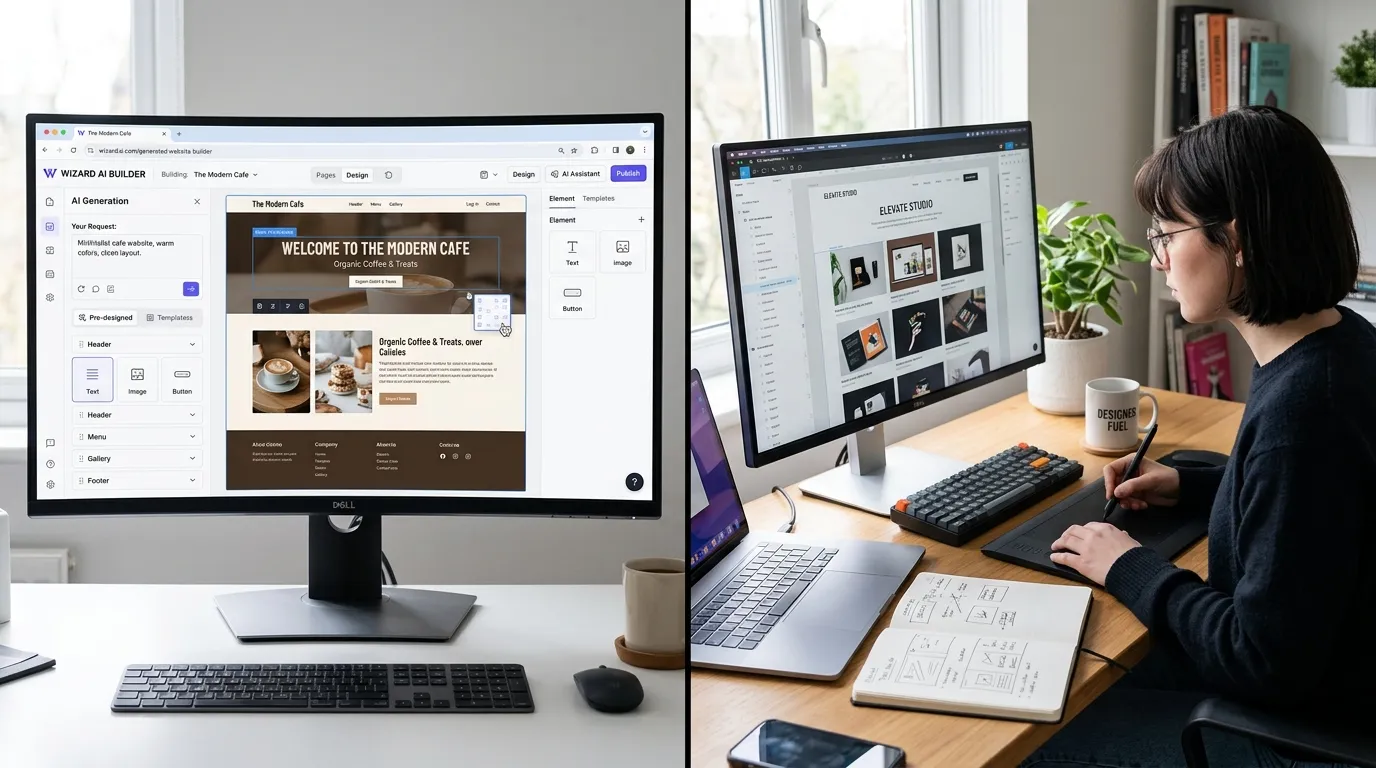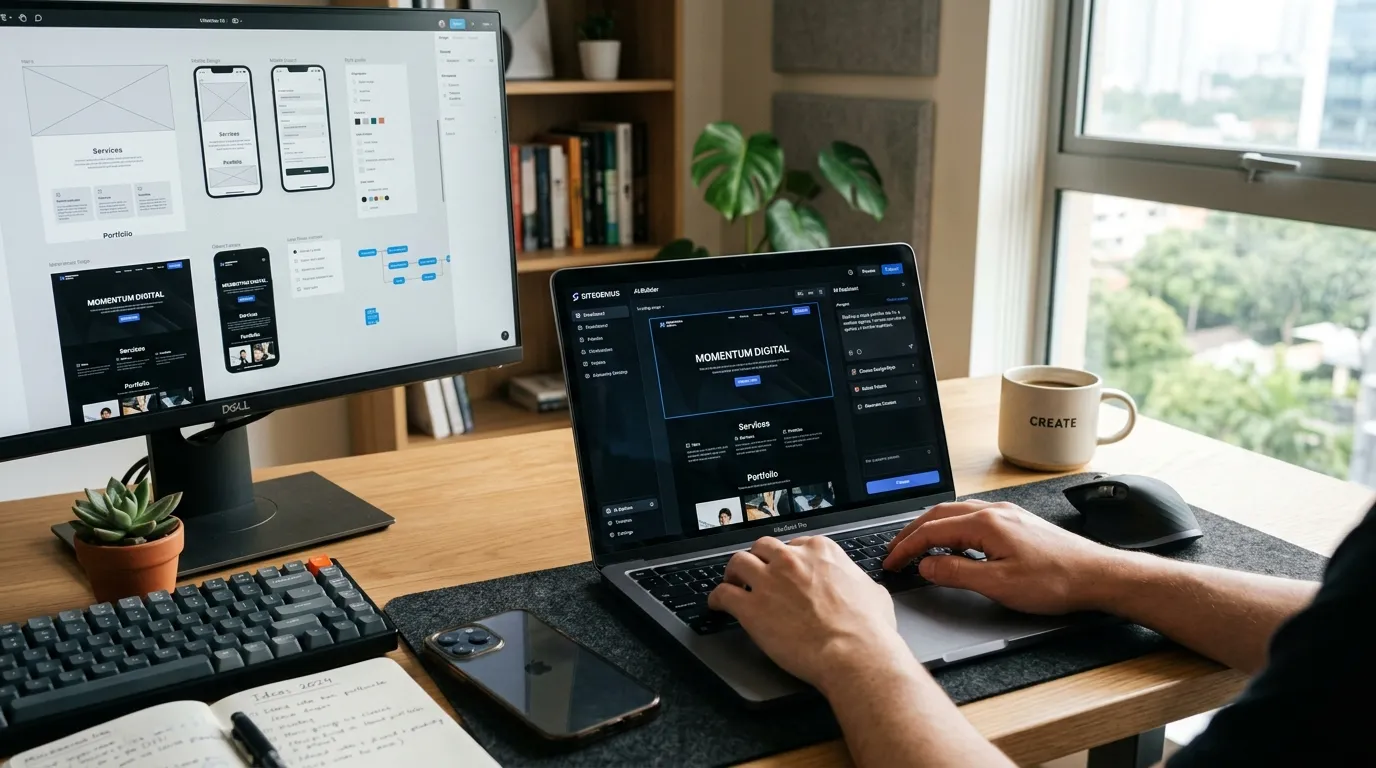

People often think building a website is quick. They see templates online and assume it takes a few days.
The truth is very different. A website is not just a design on a screen. It is planning, structure, writing, layout, coding, testing, and setup working together, which is why a professional web design company follows a clear process instead of rushing straight into design.
If even one part is missing, everything slows down. Some websites really do finish in a week. Others take months. This article explains why that happens, what actually goes on behind the scenes, and how long each stage truly takes in real life.
The Short Answer
Most websites take between 2 and 12 weeks. A small website with ready content can be completed fast. A large website with many features naturally takes longer.
The time is not random. It depends on very specific factors, which we’ll break down clearly.
What Really Controls Website Build Time?
Website time is decided less by developers and more by preparation. The biggest factor is clarity. If the goal of the website is clear, the pages are planned, and the content exists, the work moves smoothly. If these things are missing, delays appear quickly. Another major factor is website size.
A one-page website and a fifty-page website cannot be built in the same amount of time. Features also play a big role. A site that only shows information is simple.
A site that allows users to log in, book services, pay online, or manage accounts takes far more work. Finally, communication speed matters. If feedback takes two days instead of two weeks, the timeline shrinks fast.
Different Website Types and How Long They Take
One-Page Website
A one-page website places all content on a single scrolling page. It usually includes an introduction, services, short about section, and a contact form.
Because there is only one layout and very little content, the process is quick. Designers do not need to create multiple page styles. Developers do not need complex navigation.
If text and images are ready, this type of website often takes three to seven days.
These websites are common for freelancers, small local services, event promotions, and advertising campaigns.
Small Business Website
This is the most common website on the internet.
It usually includes separate pages such as Home, About, Services, Blog, and Contact. Each page has its own layout and content.
More time is needed because every page must work on desktop, tablet, and mobile screens. Contact forms must be tested. Navigation must connect properly. Content must be spaced correctly so it is easy to read.
A small business website usually takes two to four weeks when content is ready and approvals are fast.
Medium or Corporate Website
Corporate websites have more structure and deeper navigation.
They often include multiple service pages, team profiles, careers, case studies, and location pages. Branding rules must be followed carefully. Many decisions pass through managers or departments before approval.
Because of this, the work itself may not be slow, but reviews and revisions add time.
These websites usually take four to eight weeks, sometimes longer if approvals move slowly.
Ecommerce Website
Online stores take longer because they are not just pages. They are systems.
An ecommerce website must handle products, prices, stock, cart behavior, payments, shipping rules, and taxes. Checkout must work perfectly. Even a small mistake can stop sales.
Stores with a few products may be completed in six weeks. Stores with hundreds of products can take three months.
Most ecommerce websites fall between six and twelve weeks.
Custom Website or Web Platform
Custom websites are built from logic, not templates.
Examples include booking systems, dashboards, learning portals, or subscription platforms. These require user accounts, databases, permissions, and admin control panels.
This work is closer to software development than website design.
Because of the planning, coding, testing, and security involved, these projects usually take three to six months.
The Full Website Development Process Explained
Every professional website goes through the same stages. The difference is how much time each stage needs.
Planning and Discovery Stage
This stage defines the entire project. Here, the goal of the website is decided. Pages are listed. Features are discussed. Target users are identified. Competitors are reviewed.
Without this step, websites grow in random directions and need rebuilding later. This stage usually takes three to seven days, but it saves weeks later.
Sitemap and Structure
A sitemap is a map of all pages and how they connect.
It decides what appears in the menu and how users move from page to page. Search engines also depend on this structure.
Poor structure creates confusion for both visitors and Google. This stage normally takes two to four days.
Wireframes
Wireframes are simple page layouts without design. They show where headings, text, buttons, and images will appear. Nothing is styled yet. The goal is structure, not beauty.
This helps everyone agree on layout before design begins.
Wireframes usually take three to five days.
Visual Design Phase
Now the website starts to look real. Colors, fonts, spacing, buttons, and layouts are applied. Designers usually begin with the homepage and then extend the style to inner pages.
Mobile versions are designed alongside desktop views.
This stage often takes one to two weeks, depending on revision rounds.
Content Writing and Editing
Content includes page text, headings, calls to action, and sometimes blog posts.
This stage delays more websites than any other.
Design cannot finish without content. Development cannot continue without approved text. Every missing paragraph causes pause.
Depending on size, content work can take one to three weeks. Prepared content speeds everything up.
Development and Coding
Once design and content are approved, developers build the website.
They convert layouts into real pages, set up the content system, connect forms, install features, and optimize loading speed.
This stage usually takes two to six weeks, depending on complexity.
Testing and Quality Checks
Before launch, everything must be tested.
Pages are checked on phones, tablets, and different browsers. Forms are tested. Speed is measured. Errors are fixed.
This stage prevents broken websites after launch. Testing usually takes five to ten days.
SEO Setup
Basic search setup includes page titles, descriptions, clean links, heading structure, sitemap creation, and mobile performance checks.
This does not add much time, usually three to seven days, but it has long-term value.
Final Launch
The last step includes domain connection, hosting setup, security certificate installation, backups, and analytics setup.
Once done, the website goes live.
This step normally takes two to three days.
Why Websites Often Take Longer?
Most delays do not come from coding. They come from missing content, slow feedback, unclear direction, constant changes, and new features added mid-project.
A website moves fast only when decisions are firm.
Final Thoughts
So how long does it take to build a website? For most businesses, two to twelve weeks is realistic.
Small websites move fast. Large systems take time. But preparation matters more than anything else.
Clear goals, ready content, and fast communication can cut the timeline in half. A website is never slow by default. It becomes slow when direction is unclear.
Also Read: How much does Website Cost in London?