
A business website is more than an online presence. It is your digital storefront, sales team, and brand voice working at the same time. When someone searches for your service, your website shapes their first impression within seconds.
A good website builds trust fast. It explains what you do, who you help, and why you are the right choice. If it fails at any of these, visitors leave and look elsewhere. Let’s break down what truly makes a business website strong and effective.
Clear Purpose And Strong Value Proposition
A good business website answers one key question right away: what do you offer and why should anyone care? Visitors should understand your main service within seconds of landing on your homepage.
Your headline must be simple and direct. Avoid clever phrases that confuse people. Clear messaging helps users stay longer and improves conversion rates.
When your value proposition is sharp and focused, users feel confident. They know they are in the right place and are more likely to explore your services further.
Simple Navigation And Logical Structure
People should find what they need without thinking too hard. A clean menu with clear labels like Services, About, Pricing, and Contact works better than complex structures.
If users struggle to locate information, they leave. Logical structure also helps search engines crawl and index your pages properly.
A well organised website guides visitors naturally from one section to another. This keeps them engaged and increases the chances of enquiries or purchases.
Fast Loading Speed And Strong Performance
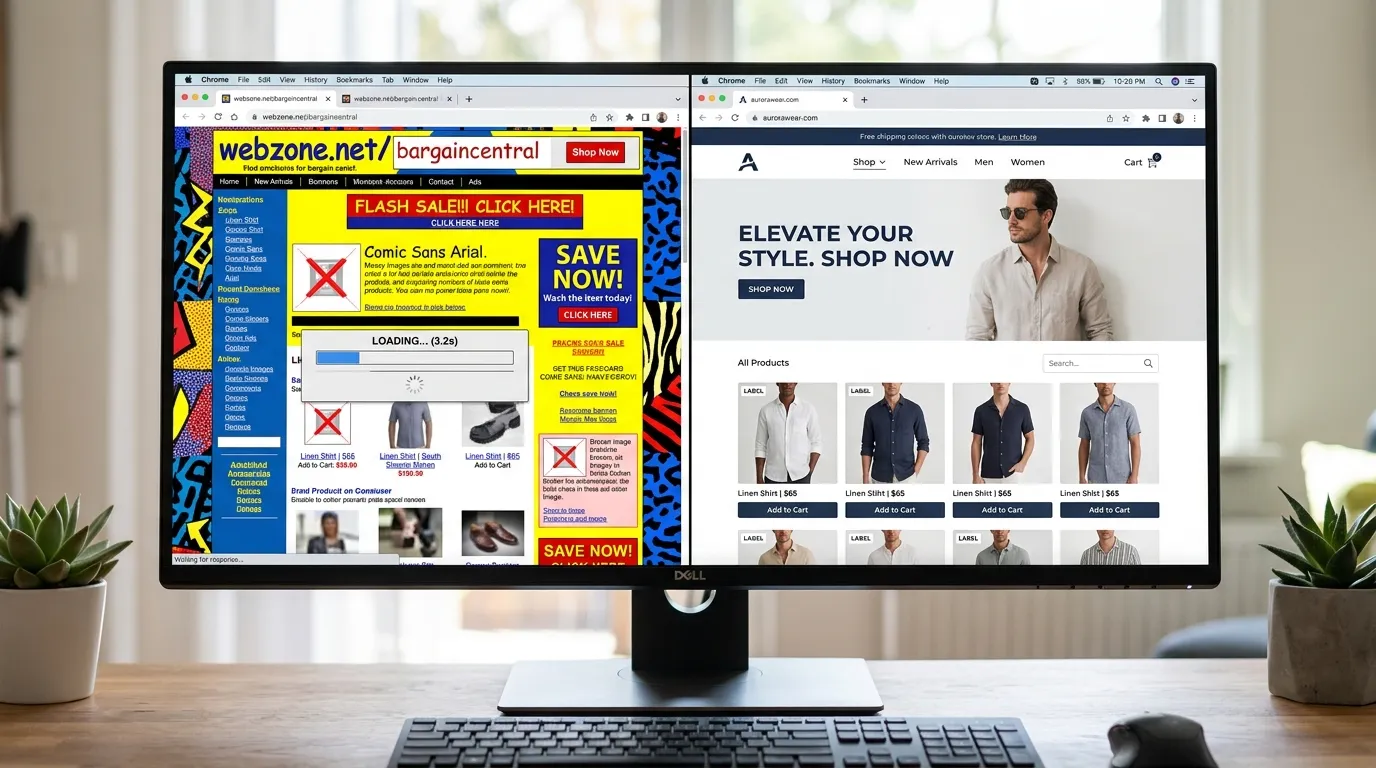
Speed directly affects trust and search rankings. If your site loads slowly, users assume your business is outdated or unreliable.
Google measures performance using Core Web Vitals. Slow loading pages often rank lower in search results. That means fewer visitors and fewer leads.
Optimised images, clean code, and reliable hosting improve speed. A good website feels smooth and responsive on every device.
Mobile Friendly And Responsive Design
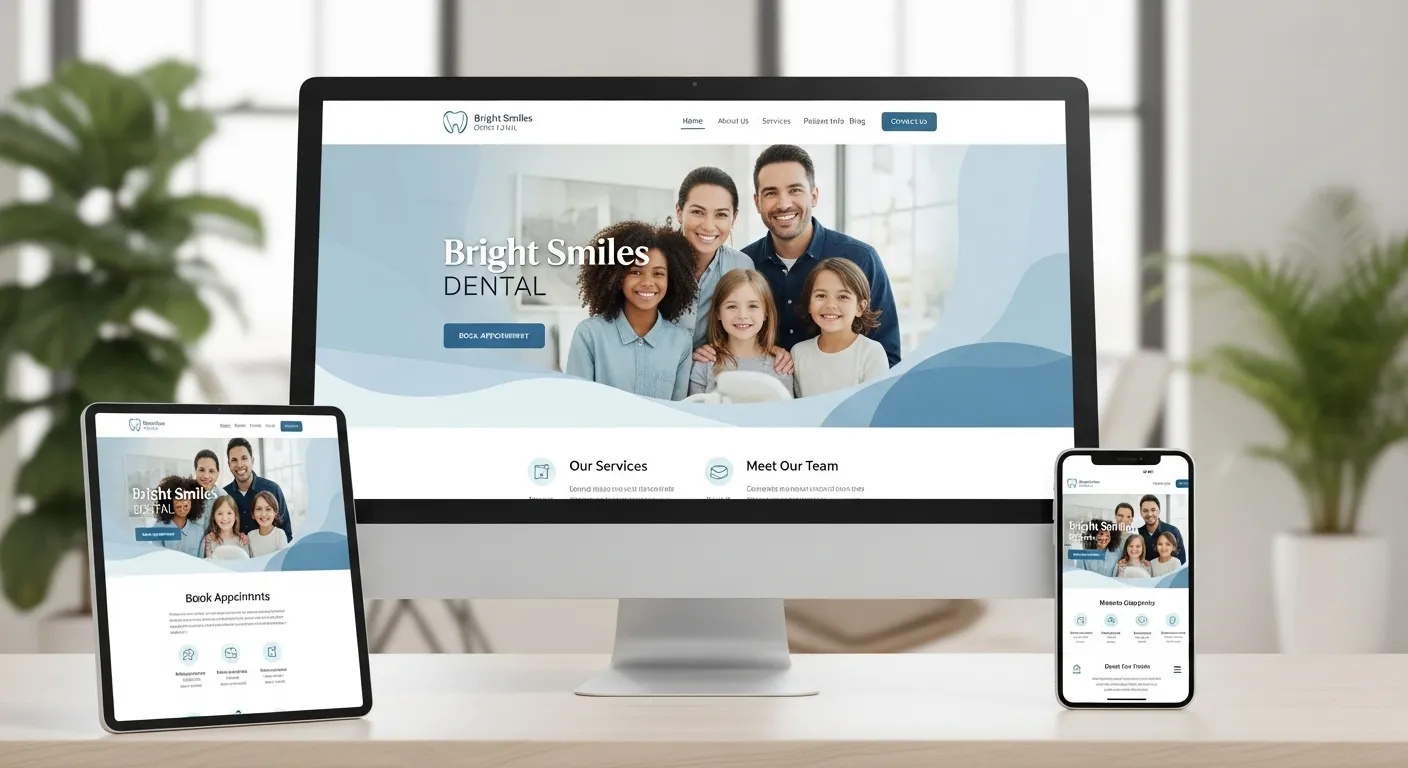
Most users browse on smartphones. If your website does not adjust properly to smaller screens, you lose potential customers.
Responsive design ensures text is readable, buttons are easy to tap, and layouts adapt to different screen sizes. This improves user experience and reduces bounce rate.
Google uses mobile first indexing. A mobile friendly website performs better in search and keeps visitors engaged longer.
Clear Calls To Action That Drive Results
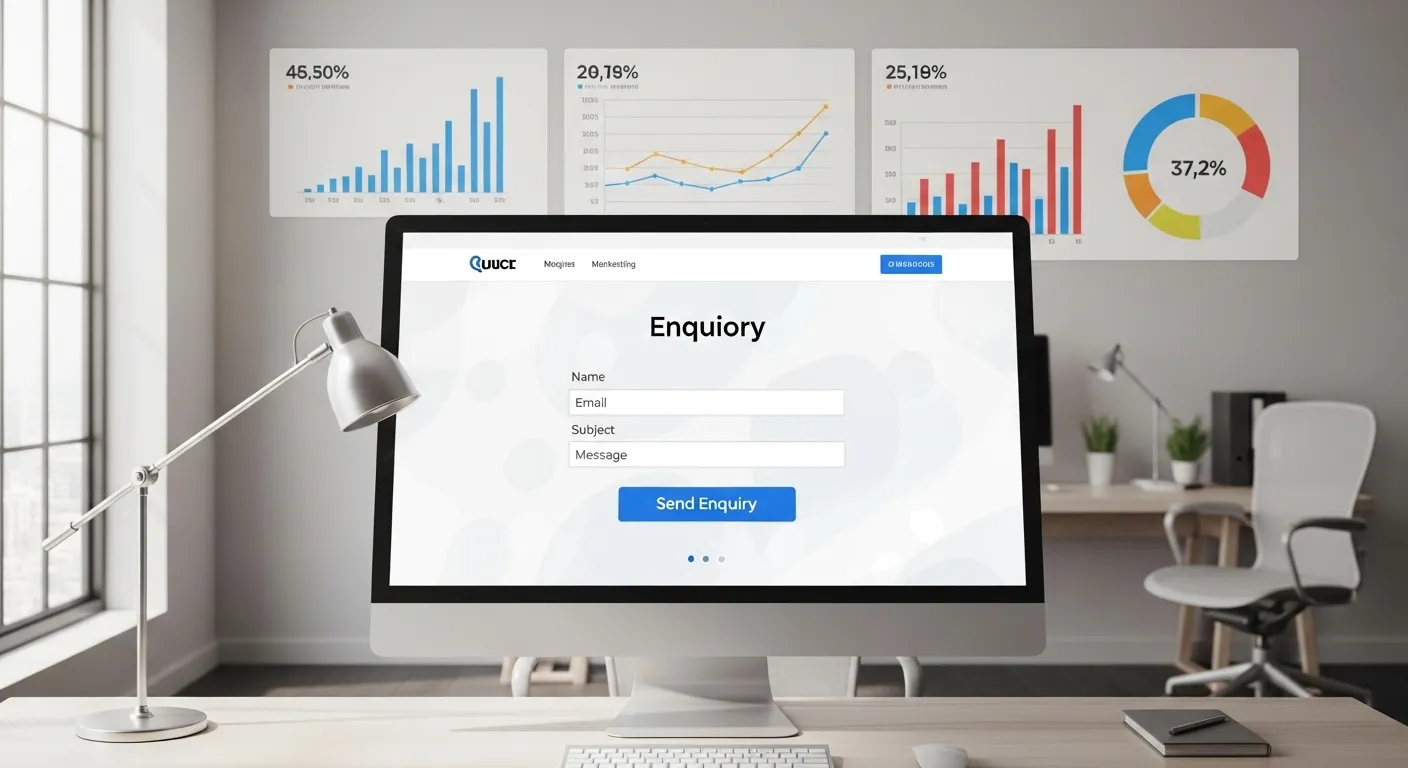
A business website must guide visitors toward action. Whether it is booking a call, requesting a quote, or making a purchase, the next step should be obvious.
Strong calls to action use clear language like Contact Us Today or Get A Free Quote. They should appear naturally throughout the site.
Without direction, visitors leave without converting. A good website removes confusion and leads users step by step.
Trust Signals And Social Proof
Trust is everything online. Visitors want proof that your business is real and reliable.
Client testimonials, Google reviews, case studies, certifications, and secure payment badges increase confidence. Showing real photos of your team also helps build authenticity.
When people see evidence that others trust you, they feel safer making a decision. Strong trust signals turn visitors into customers.
Search Engine Optimisation And Technical Health
A beautiful website means little if no one can find it. Search engine optimisation ensures your site appears when people search for your services.
This includes proper headings, keyword placement, meta descriptions, schema markup, and clean URLs. Tools like Google Search Console and Google Analytics help track performance.
Technical health also matters. Secure HTTPS, structured data, and internal linking support long term visibility and ranking stability.
Easy Content Management And Scalability
Your website should grow with your business. If updating content is complicated, your site becomes outdated quickly.
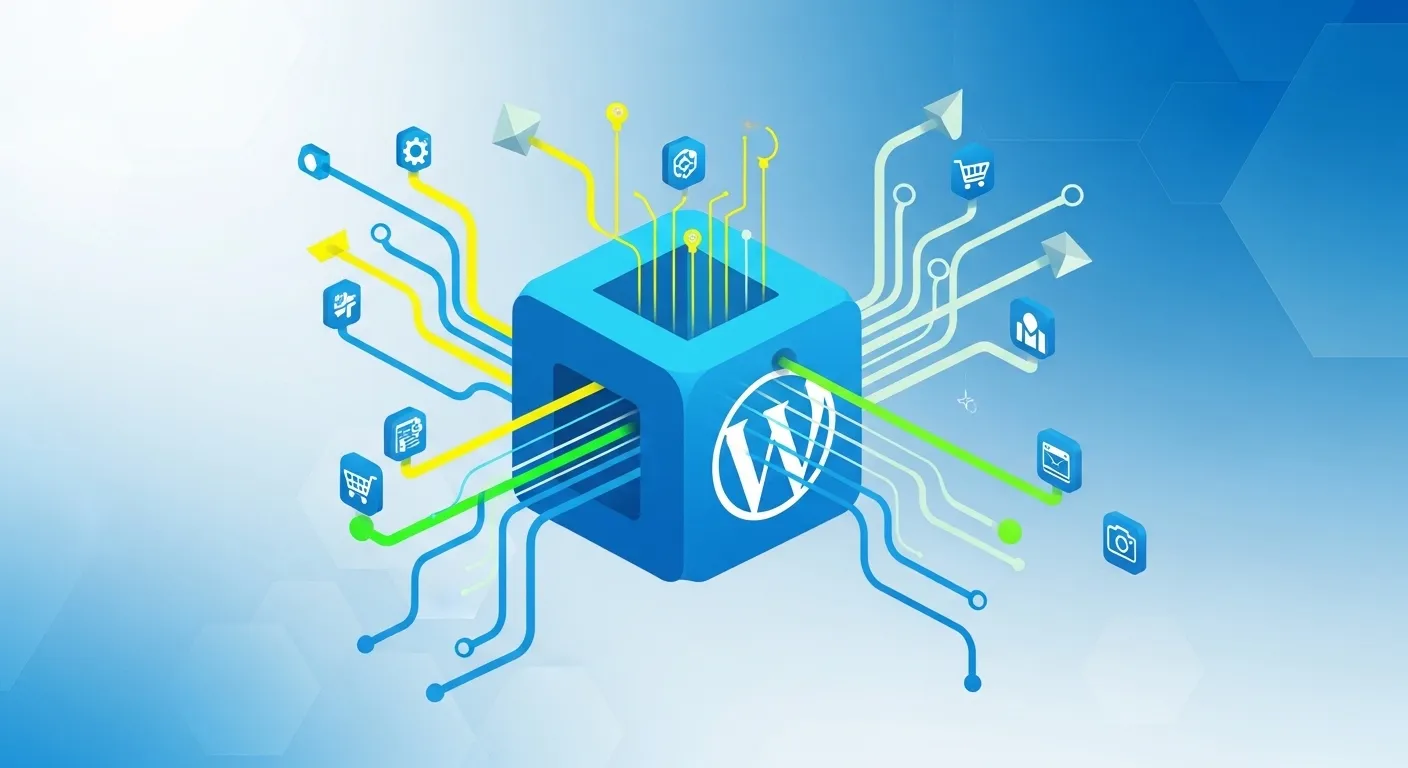
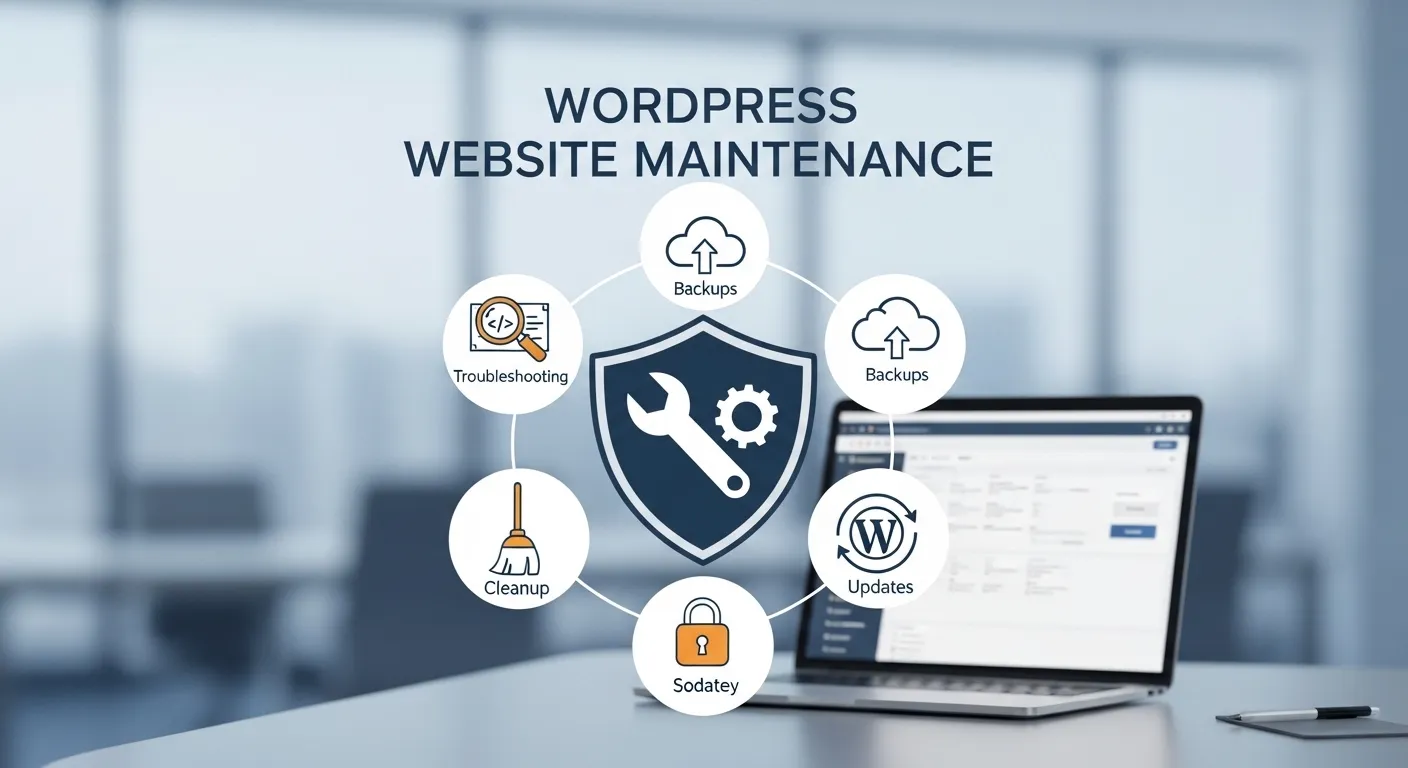
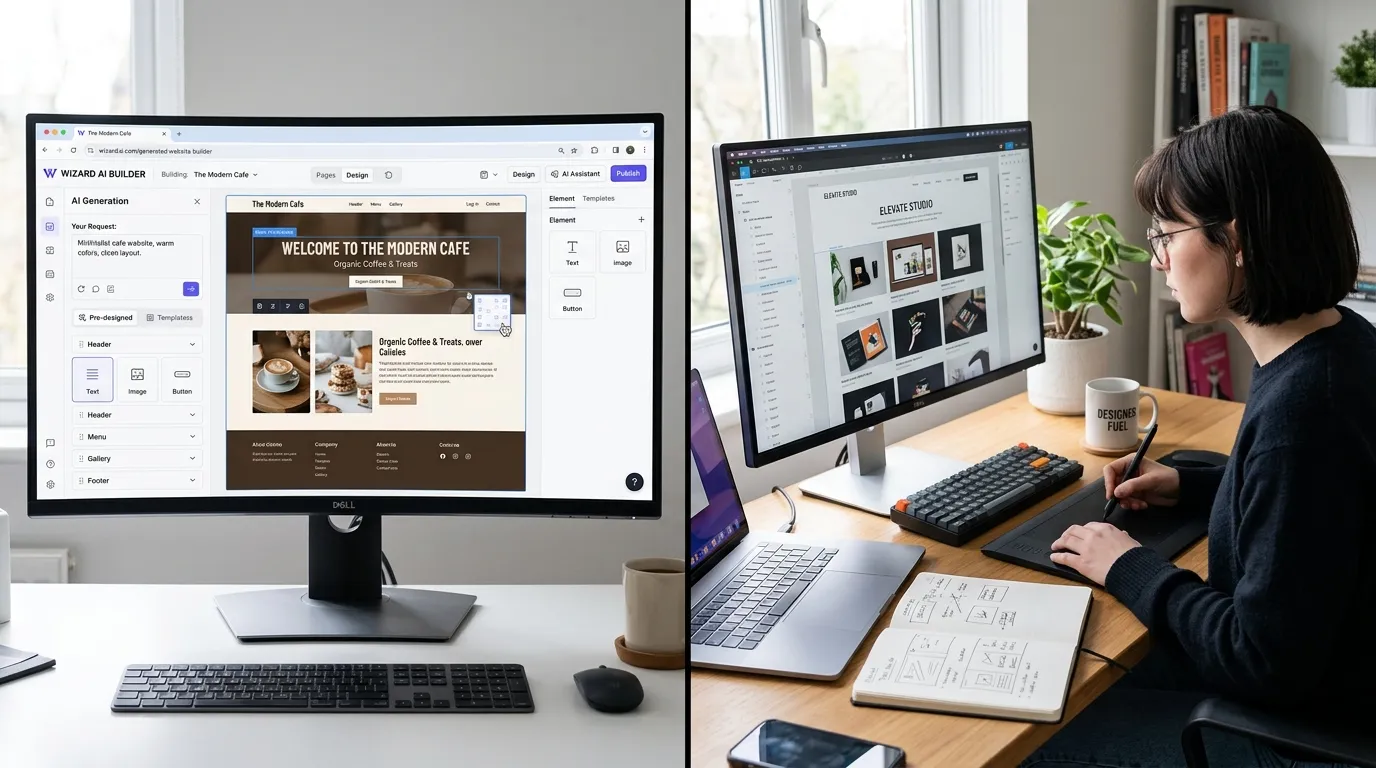
A good content management system like WordPress or Shopify allows you to add new pages, publish blog posts, and update services easily.
Scalability ensures your site can handle more traffic, new features, and future expansion. A flexible foundation saves time and money later.
Conclusion
A good business website combines clarity, speed, structure, and trust. It communicates your value clearly, loads fast, works on mobile, and guides users to take action.
It also supports SEO, stays secure, and allows easy updates. When all these elements work together, your website becomes a reliable growth tool.
If your current site lacks any of these essentials, improving them can increase traffic, leads, and sales. A strong website is not a luxury. It is a core part of running a successful business.