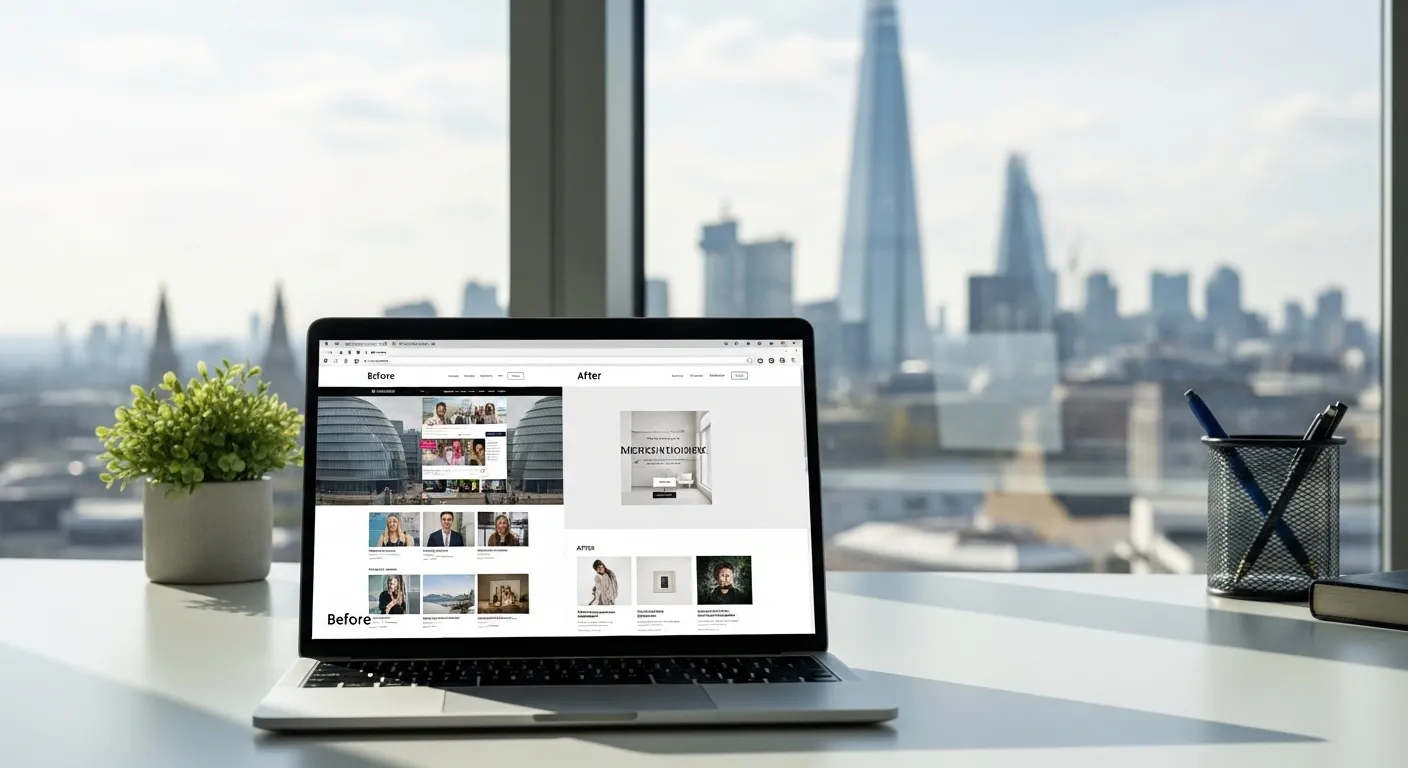
Your website is often the first place people in London judge your business. Before they call, visit, or request a quote, they scroll. In a city as competitive as London, a weak website does real damage. It lowers trust, hurts your ranking on Google, and sends customers to competitors.
If you run a local business in areas like Shoreditch, Canary Wharf, Camden, or Westminster, your site has to work hard. It must load fast, look modern, and guide people clearly. Here’s how to tell if your London based website needs a redesign.
Outdated Design That No Longer Reflects Your Brand
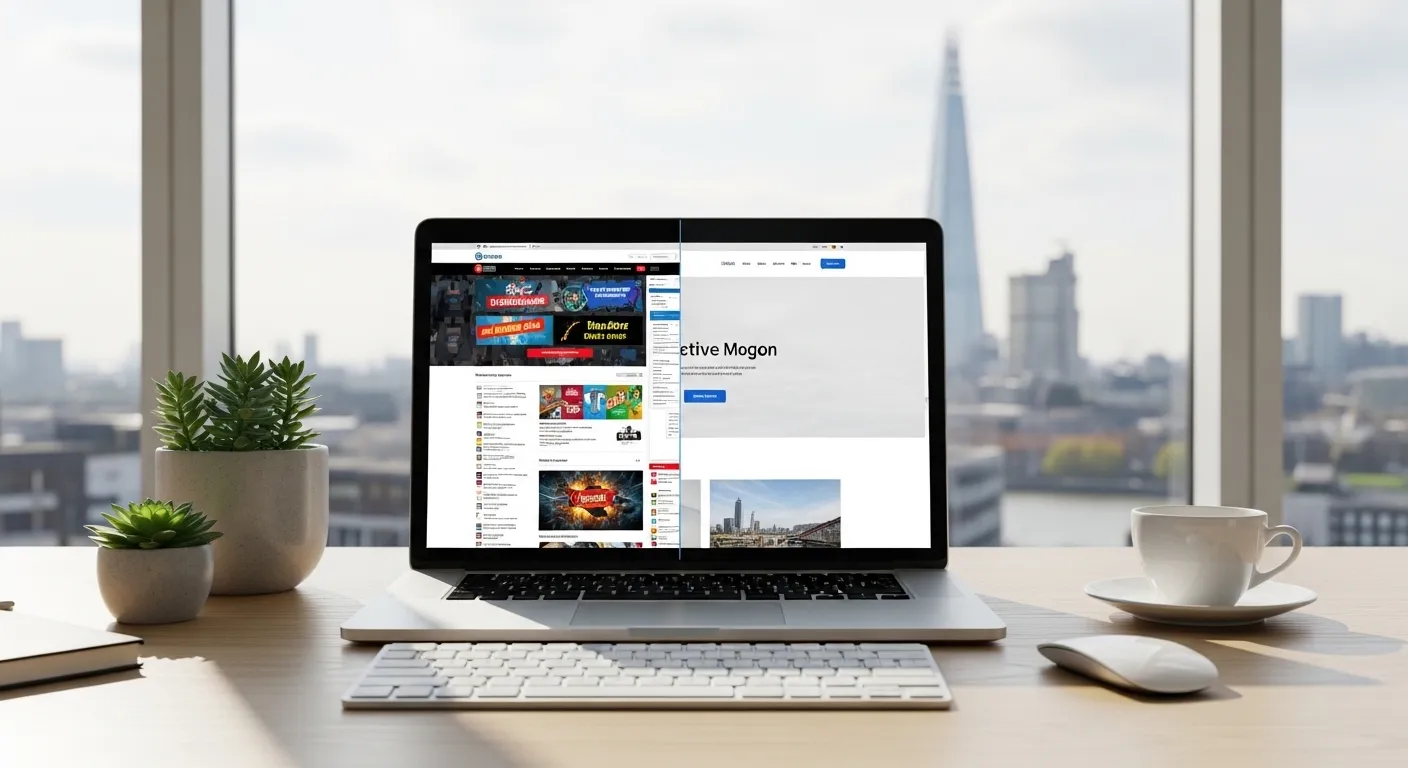
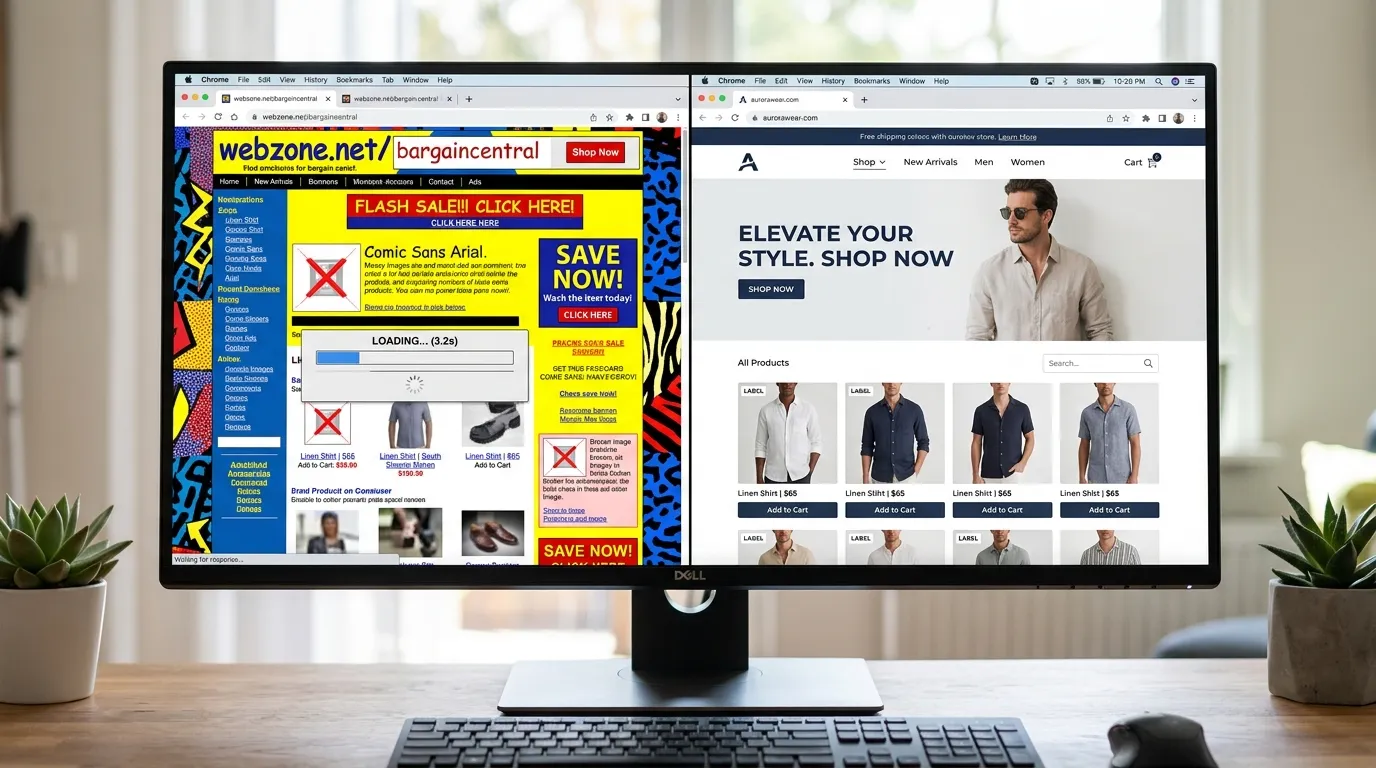
Design trends move fast in London. A website built five or six years ago often looks old today. If your fonts feel dated, your layout looks cramped, or your visuals seem stock and generic, visitors notice instantly.
People compare your site with other London companies in the same industry. If theirs feels clean and modern and yours feels old, trust drops. A redesign helps align your visual identity with your current brand, services, and target audience.
A strong design is not about decoration. It shapes how people feel about your business. If your website does not reflect who you are today, it is holding you back.
Slow Loading Speed Across London And The UK
Speed matters, especially in a city where users expect everything to work instantly. If your site takes more than a few seconds to load, many visitors leave before reading a single word.
Google also measures speed through Core Web Vitals. A slow site affects your rankings in local search results. That means fewer people in London will find you when they search for your services.
Test your site on mobile data as well as WiFi. If images are heavy, scripts are outdated, or hosting is weak, performance suffers. A redesign often includes performance upgrades that improve both user experience and SEO.
Poor Mobile Experience For London Users
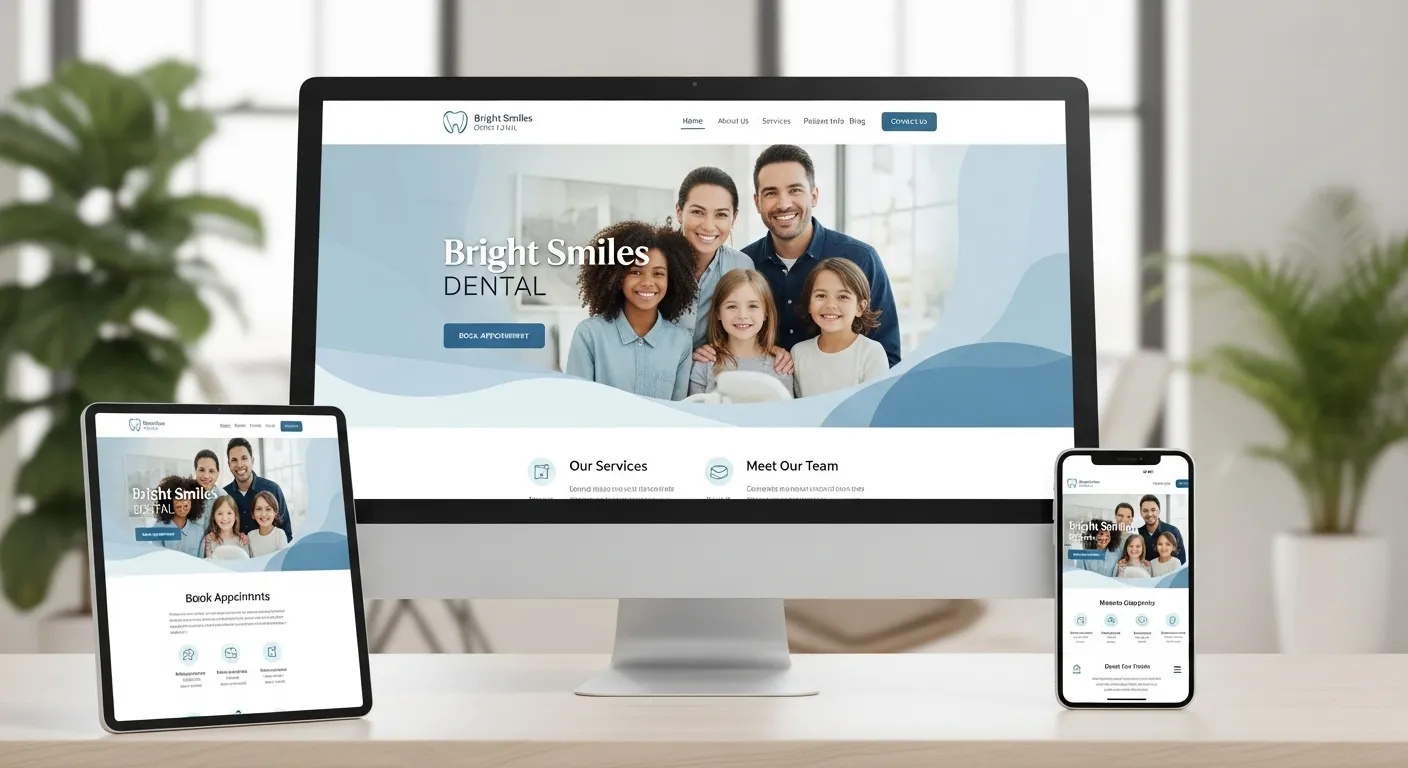
Most searches in London happen on mobile devices. People look for services while commuting, shopping, or sitting in a café. If your site does not work smoothly on smartphones, you lose real business.
Common problems include text that is too small, buttons that are hard to tap, and layouts that break on smaller screens. These issues frustrate users and increase bounce rate.
Google uses mobile first indexing. That means it judges your site based on the mobile version. If your mobile experience is weak, your visibility in search results drops. A redesign ensures responsive design that works across all screen sizes.
Low Conversion Rates Despite Good Traffic
You may be getting traffic from Google Ads, local SEO, or social media, but if people are not converting, something is wrong. Traffic alone does not pay the bills.
If users visit your contact page but do not submit forms, or if they browse your services without calling, your design or messaging may be unclear. Confusing layouts, weak calls to action, or poor trust signals often cause this.
A redesign focuses on conversion rate optimisation. Clear headlines, simple navigation, visible phone numbers, and strong service pages guide visitors step by step. In a competitive London market, small improvements in conversion can mean major revenue growth.
Difficult Content Management And Updates
If updating your website feels like a struggle, that is a warning sign. Many older sites are built on outdated systems that make simple changes slow and expensive.
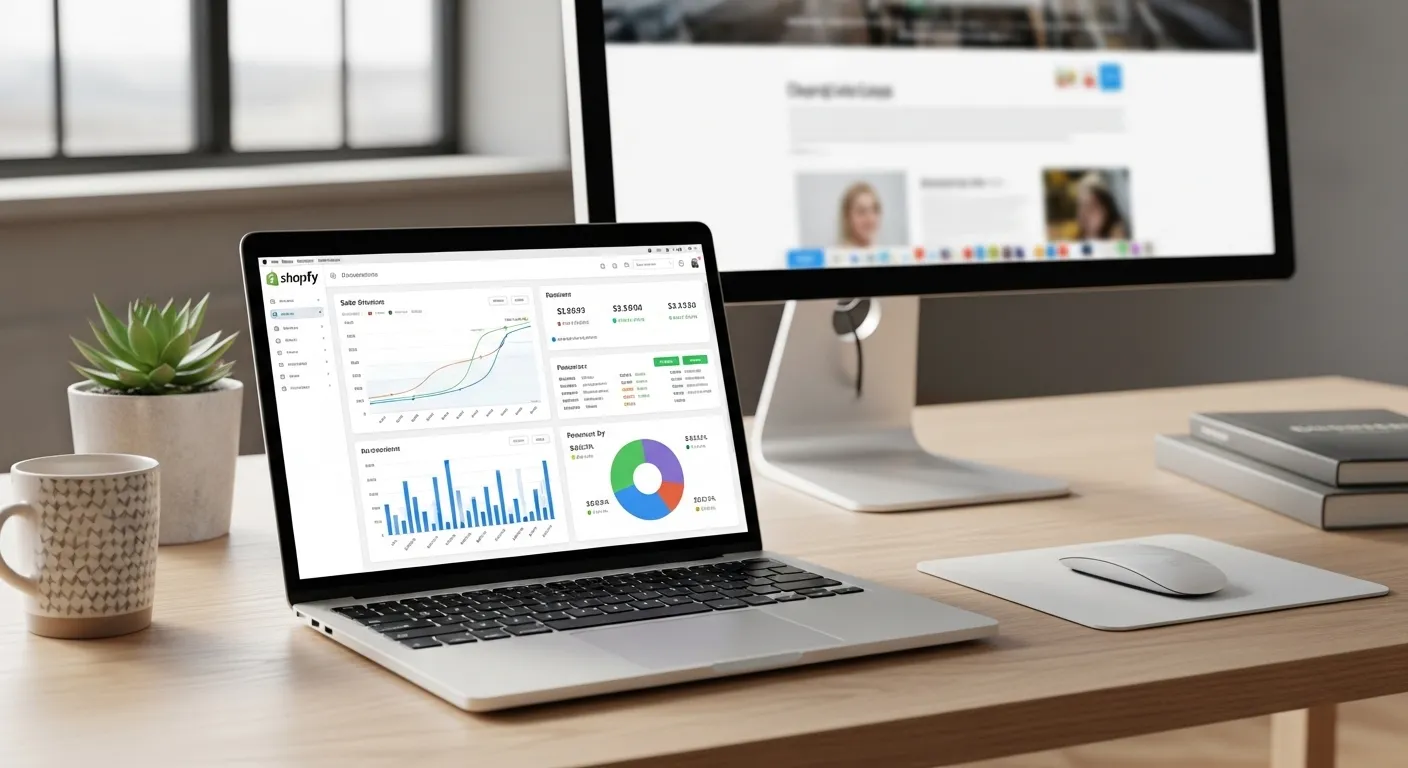
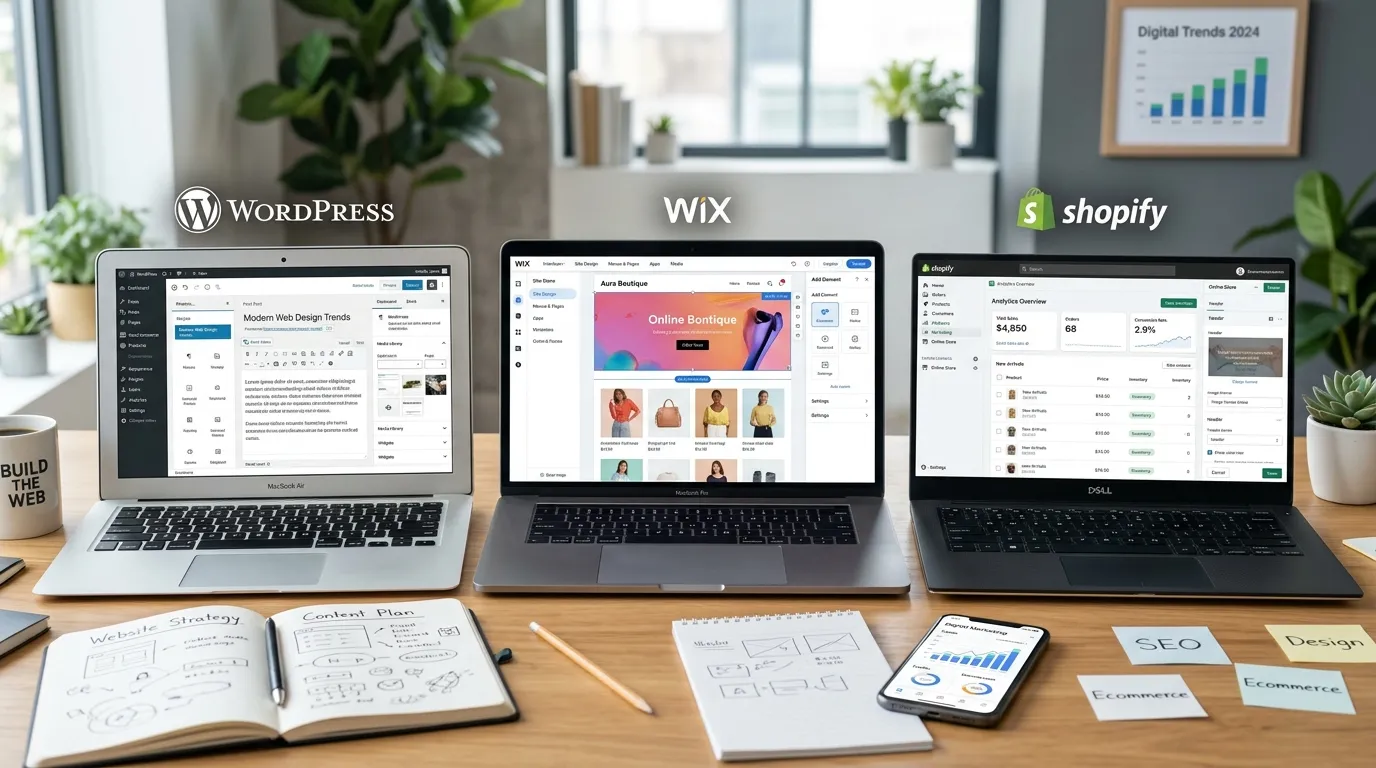
Modern platforms like WordPress, Shopify, or custom CMS solutions allow easy content updates. If you rely on a developer for every small edit, you lose flexibility.
A redesign gives you control. You can update services, add case studies, publish blog posts, and adjust SEO elements without technical stress. That flexibility matters when your London business evolves.
Weak Local SEO Performance In London Searches
Search for your main service plus London. If you do not appear on the first page of Google, your website may need structural improvement.
Local SEO depends on technical setup, page structure, metadata, schema markup, and internal linking. If your site was built without a clear SEO strategy, it struggles to compete.
A redesign allows you to optimise for London specific keywords, improve site architecture, and align with Google Search guidelines. It also helps integrate tools like Google Analytics and Google Search Console for better tracking.
Security Issues And Lack Of HTTPS
Online security is a basic expectation. If your site does not use HTTPS, browsers show warning messages that scare users away.
Older websites may also lack proper security updates, making them vulnerable to attacks. This affects your reputation and search rankings.
A redesign includes secure hosting, updated plugins, SSL certificates, and better protection overall. In a city like London, where customers expect professionalism, security is not optional.
Conclusion
Your website is a business asset, not a brochure. If it looks outdated, loads slowly, struggles on mobile, or fails to convert visitors, it is costing you money.
London is competitive. Your digital presence must match that pace. A thoughtful redesign improves trust, search visibility, and conversions. It positions your business strongly in local search and builds long term growth.
If you recognise several of these signs, it is time to review your website seriously. Fixing these issues early prevents lost opportunities and keeps you ahead of competitors.