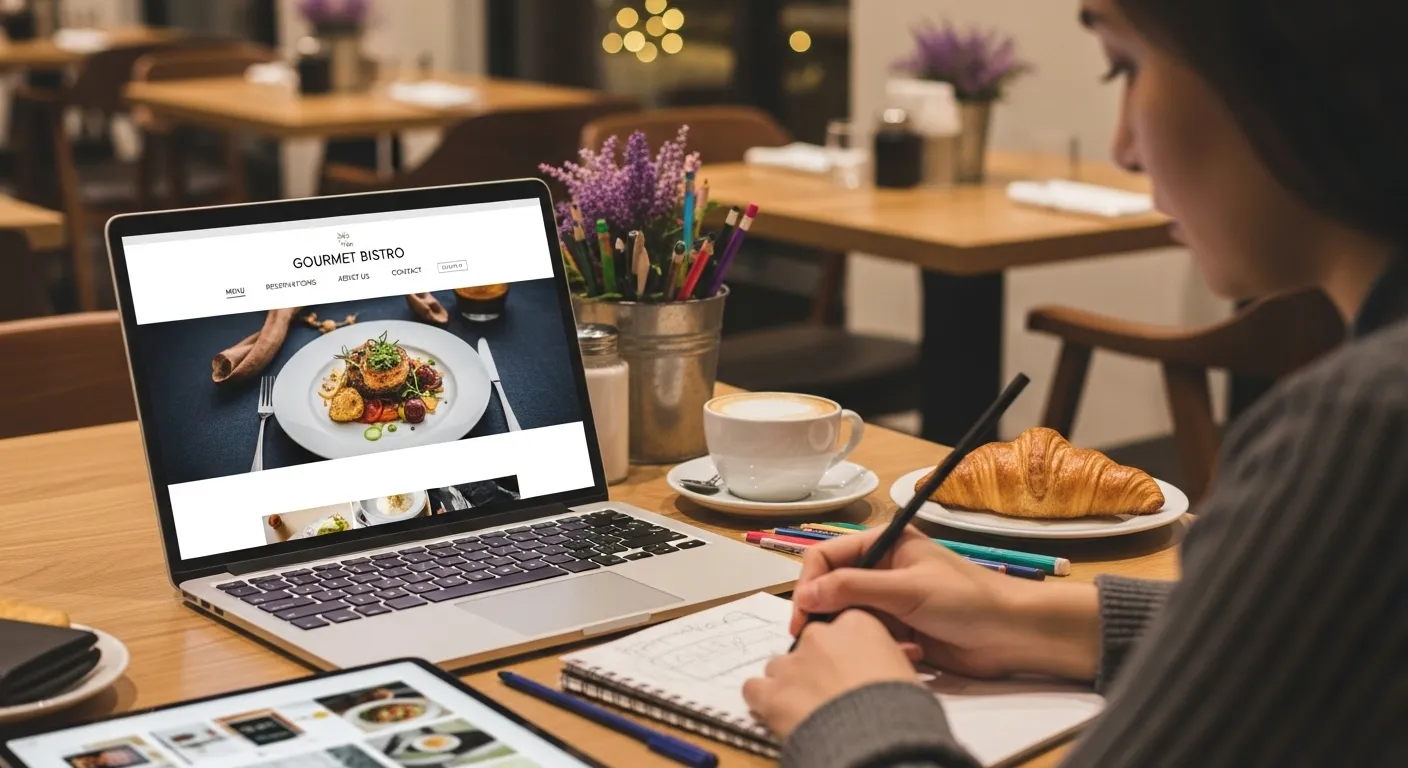
London is one of the most competitive food cities in the world. Every street has multiple cafés, takeaways, and restaurants fighting for attention. Before deciding where to eat, most customers search online.
They check menus, photos, reviews, and location within seconds. If your restaurant website feels slow, confusing, or outdated, customers leave and choose another place.
Website design plays a major role in how restaurants attract diners, increase reservations, and build a strong brand presence online.
Why Website Design Matters For Restaurants?
A restaurant website is often the first interaction customers have with your business. It sets expectations before they ever step inside.
People want to know what food you serve, where you are located, when you are open, and how to book a table. If this information is hard to find, users lose interest quickly.
Good website design makes decisions easy. Poor design creates frustration and lost bookings.
First Impressions Influence Dining Decisions
Food is emotional. People choose restaurants based on feeling as much as logic.
A clean layout, attractive visuals, and easy navigation help customers feel confident. If the site looks messy or broken, it creates doubt about food quality and service.
Most users decide within seconds whether they trust a restaurant. Website design shapes that decision instantly.
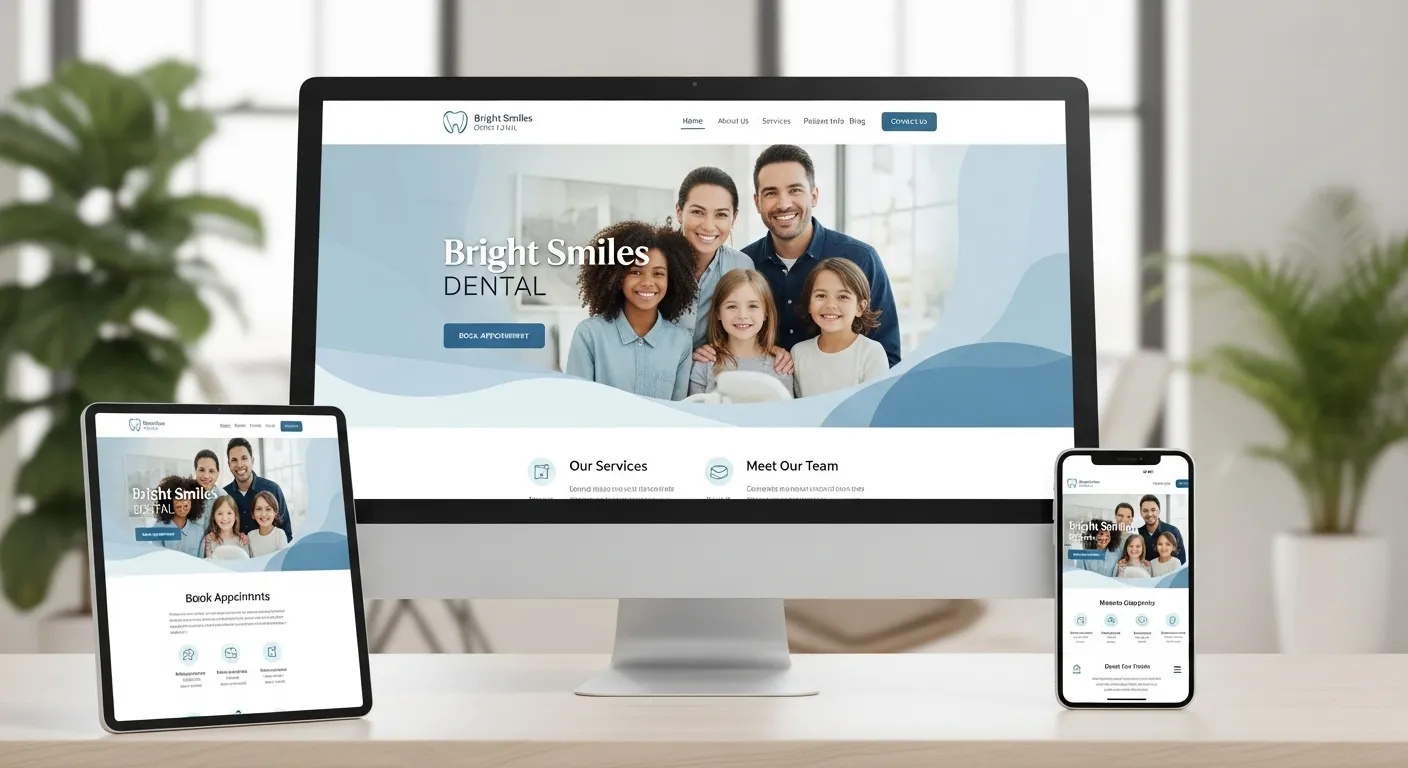
Mobile-Friendly Design Is Essential
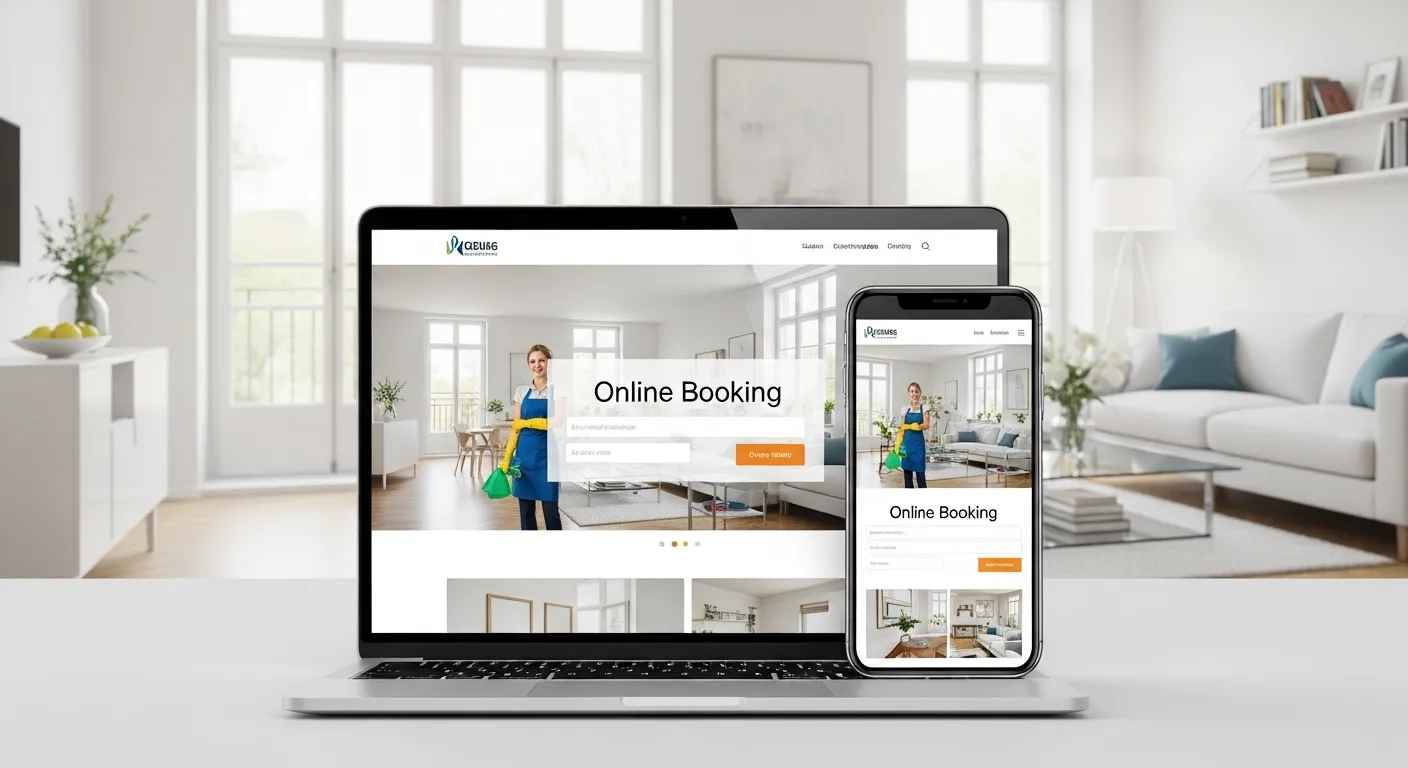
Most restaurant searches in London happen on mobile phones. People search while walking, traveling, or sitting with friends deciding where to eat.
If your website does not work properly on mobile, customers leave fast. Menus must load quickly. Buttons must be easy to tap. Directions and call options must be clear.
Mobile-first design directly affects foot traffic and reservations.
Website Speed Affects Reservations
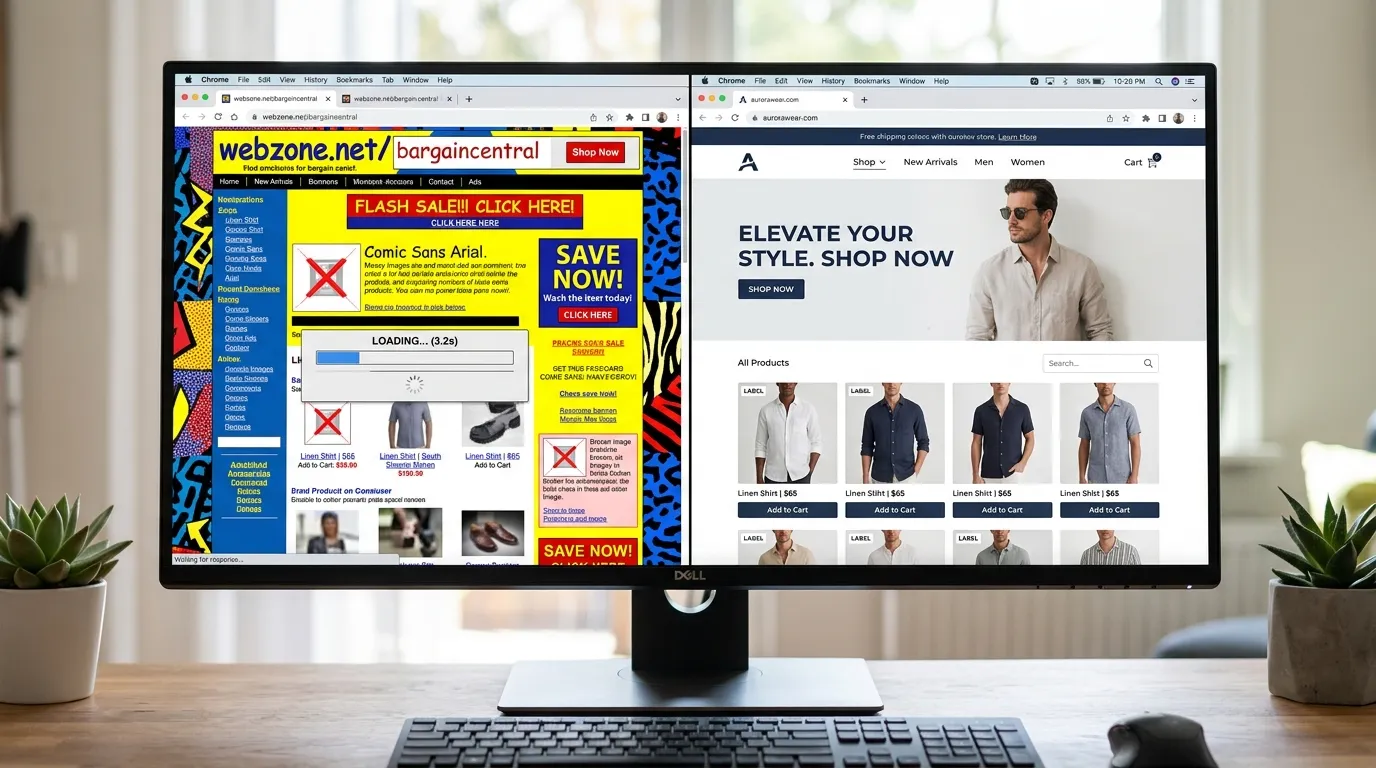
Slow websites lose customers. People browsing food options expect instant loading.
If your menu or images take too long to appear, users return to search results and choose another restaurant. Speed affects both customer experience and search rankings.
Good design focuses on performance as much as appearance.
Easy Navigation Keeps Customers Engaged
Visitors should find everything within a few clicks. Menu, reservations, location, and opening hours must be instantly visible.
Confusing navigation drives customers away. Simple menus and clean page flow keep users focused on booking or visiting.
When navigation feels natural, conversions increase.
Menu Design Plays A Major Role
The menu is the most visited page on a restaurant website. It must be easy to read and quick to load.
Text should be clear. Prices must be visible. Sections should be well spaced. Overdesigned menus frustrate users, especially on phones.
A well-designed menu helps customers decide faster and increases visits.
Online Reservations Must Be Simple
Many diners prefer booking online instead of calling. If the reservation system is hidden or complicated, bookings drop.
Design should highlight booking options clearly. Forms should be short and easy. Confirmation should feel smooth.
A simple booking experience increases table reservations significantly.
Visual Design Should Match The Restaurant Style
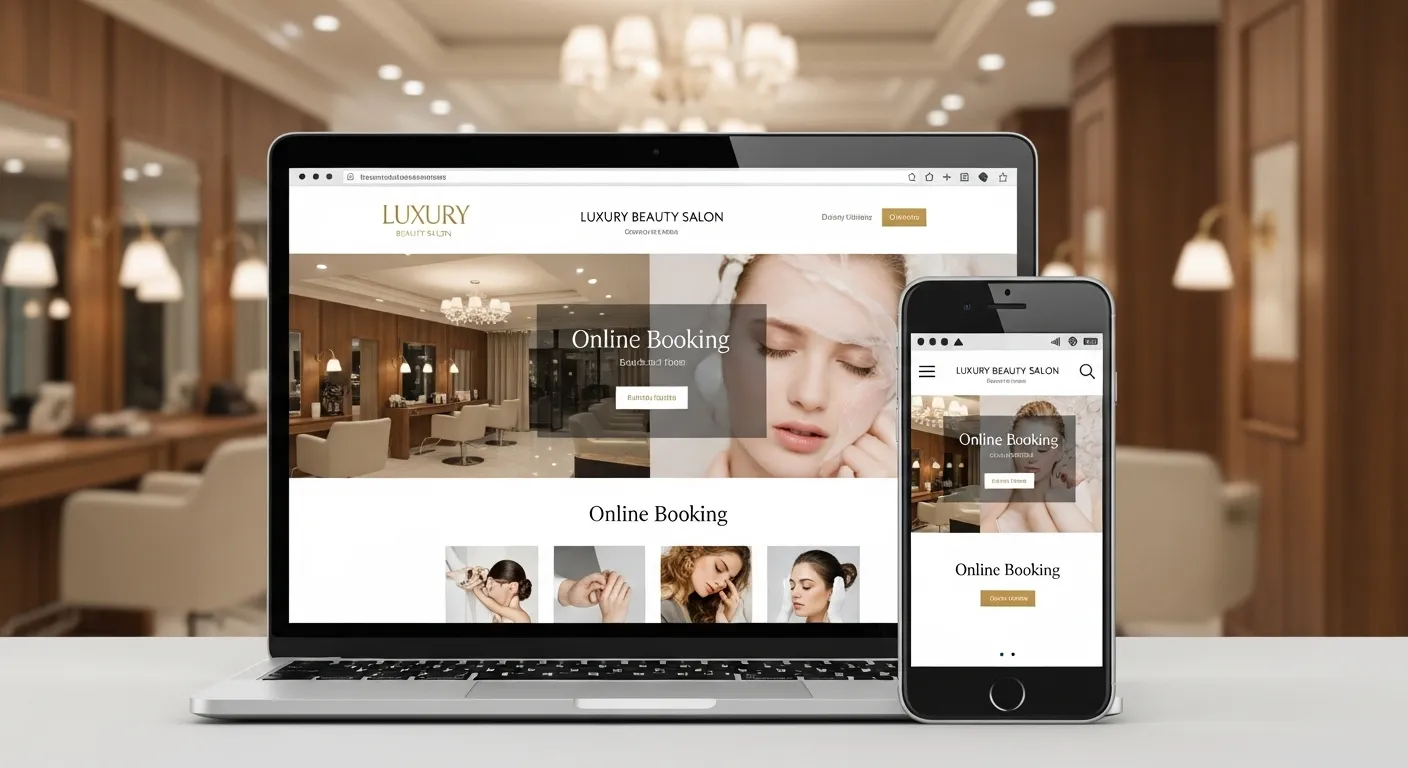
Website design should reflect your restaurant’s atmosphere. A fine dining restaurant should feel elegant. A café should feel warm. A takeaway should feel fast and simple.
Colors, fonts, and layout should match the dining experience. Consistent branding builds recognition and trust.
Design sets expectations before customers arrive.
Trust Signals Encourage First-Time Diners
New customers want reassurance. Reviews, ratings, photos, and clear contact details help build confidence.
Website design should place trust signals where users naturally look. When customers feel safe, they are more likely to book or visit.
Trust reduces hesitation, especially for new restaurants.
Local Design Supports Local Visibility
London diners often search using nearby areas or neighbourhood names. Website design should support this by clearly showing location details and service areas.
Address information, maps, and contact details must be easy to find. This helps search engines connect your restaurant with local searches.
Strong local signals improve visibility and foot traffic.
Accessibility Improves Customer Experience
Restaurant websites should be usable for everyone. Text must be readable. Contrast should be clear. Navigation should be simple.
Accessible design benefits older users and people with visual difficulties. It also improves overall usability for all visitors.
Search engines favor websites that work well for a wide audience.
Secure And Updated Design Builds Confidence
Customers may book tables or place orders online. If a website looks outdated or insecure, trust drops immediately.
Modern design, secure forms, and clear information make customers feel safe interacting with your restaurant online.
A professional website reflects a professional kitchen.
Common Restaurant Website Design Mistakes
Many restaurants lose customers due to basic design issues. These include missing menus, slow loading pages, poor mobile layouts, hidden booking buttons, and outdated photos.
Fixing these problems often improves results without increasing advertising spend.
Good design removes friction between hunger and decision.
Conclusion
Website design plays a major role in how restaurants in London attract diners and increase reservations. A strong website builds trust, improves visibility, and helps customers decide quickly.
Design is not about decoration. It is about speed, clarity, comfort, and confidence.
In a city filled with dining options, restaurants with clear and user-friendly websites stand out while others are ignored.
A well-designed restaurant website turns searches into seats filled.
Also Read: Website Design For Dentists in London