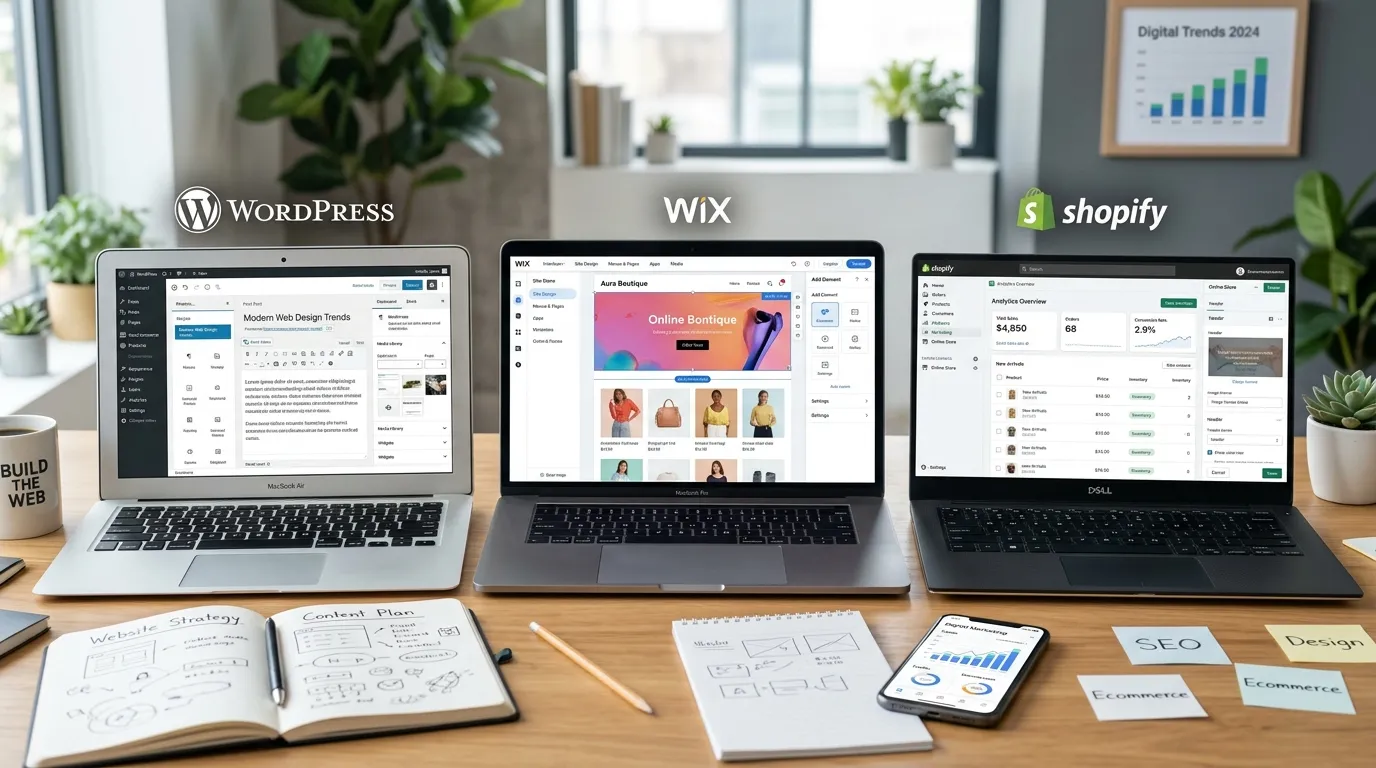
Choosing the right website platform is one of the biggest decisions for any business starting online. The platform affects design flexibility, website speed, search visibility, and how easily the site can grow later. Three names appear again and again in this space: WordPress, Wix, and Shopify.
Each platform serves a different purpose. WordPress is known for flexibility and full control, Wix focuses on simple drag and drop website building, while Shopify is built mainly for ecommerce stores. The challenge is knowing which one fits your goals and budget.
This guide explains the real differences between WordPress, Wix, and Shopify. By the end, you will know how they compare in design, SEO, pricing, ecommerce features, and scalability.
Platform Overview
WordPress is an open source content management system used by millions of websites worldwide. It allows full control over design, hosting, and features. Because it is open source, developers can create themes, plugins, and custom functions for almost any type of website.
Wix is a website builder that runs on its own hosting system. Users create websites through a visual drag and drop editor. Everything is managed inside the Wix platform, which means less technical setup but also less control over the backend.
Shopify is an ecommerce platform created for online stores. It includes product management, payment gateways, inventory tools, and shipping integrations. While Shopify also allows website pages, its core focus remains selling products online.
Ease Of Use
WordPress offers strong flexibility but may require some learning at the start. Users must set up hosting, install WordPress, and choose themes or plugins. Page builders such as Elementor and WPBakery make design easier for beginners.
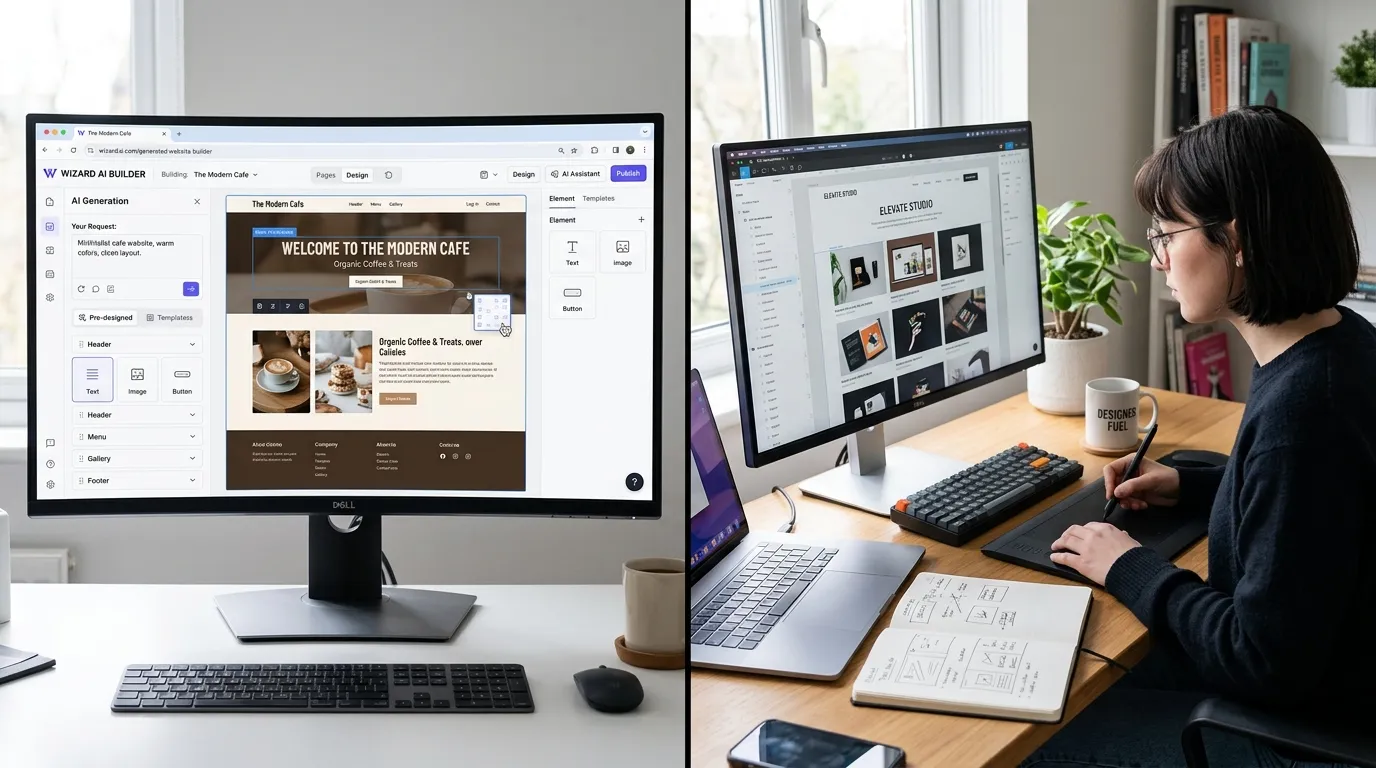
Wix focuses heavily on simplicity. The drag and drop editor allows users to move text blocks, images, and sections without coding knowledge. Beginners can launch a website quickly without worrying about hosting or software updates.
Shopify also offers an easy interface but is structured around ecommerce features. Product pages, checkout settings, and inventory tools are built into the dashboard. For store owners, this makes product management straightforward.
Design Flexibility
WordPress offers the highest design freedom among the three platforms. Thousands of themes exist in the WordPress ecosystem, and developers can build fully custom designs using HTML, CSS, and PHP. This allows businesses to create unique layouts.
Wix provides many ready made templates that look modern and professional. Users can edit layouts directly inside the editor. However, switching templates later can be difficult because the design structure is tightly connected to the template.
Shopify themes are optimized for ecommerce stores. While they offer clean product layouts and strong shopping experiences, design customization is more limited compared with WordPress. Custom changes often require Shopify’s Liquid coding language.
SEO Capabilities
Search visibility plays a major role in online success. WordPress is widely known for strong SEO control because users can manage metadata, site structure, and technical settings easily. Plugins such as Yoast SEO and Rank Math help manage on page optimization.
Wix has improved its SEO features in recent years. Users can edit title tags, meta descriptions, image alt text, and URL structures. Still, advanced technical control remains more limited compared with WordPress.
Shopify includes basic SEO settings such as product page metadata, sitemap generation, and mobile optimization. For ecommerce websites, these tools are useful, but content heavy websites often prefer WordPress for stronger blogging and SEO control.
Ecommerce Features
WordPress handles ecommerce through plugins such as WooCommerce. This plugin allows businesses to create product pages, manage inventory, and process payments through gateways like Stripe or PayPal. WooCommerce offers flexibility for stores of many sizes.
Wix also supports ecommerce through Wix Stores. It allows users to sell physical products, digital items, and services. The system includes product galleries, checkout pages, and shipping tools, though large stores may face limitations.
Shopify focuses fully on ecommerce. It includes advanced tools for product management, abandoned cart recovery, inventory tracking, and multi channel selling through platforms like Amazon and Facebook Marketplace.
Pricing Comparison
WordPress itself is free software, but users must pay for hosting, domain registration, themes, and plugins. A small business website may cost a few hundred pounds per year, while custom websites can cost several thousand depending on development work.
Wix offers monthly subscription plans that include hosting and templates. Pricing often ranges between £10 and £30 per month depending on features. Ecommerce plans cost more because they include payment processing tools.
Shopify uses a subscription model starting around £25 to £30 per month for basic plans. Additional costs may include premium themes, apps from the Shopify marketplace, and transaction fees depending on the payment gateway used.
Scalability And Growth
WordPress provides strong scalability because it supports custom development, large databases, and advanced integrations. Many high traffic websites and enterprise platforms run on WordPress because developers can expand features over time.
Wix works well for small to medium websites but may become restrictive for large projects. Businesses with complex integrations or custom functionality may find the platform less flexible as their needs grow.
Shopify handles large ecommerce stores very well. Its infrastructure supports high product volumes and strong checkout performance. Businesses focused mainly on online selling often choose Shopify because the platform scales smoothly with store growth.
Conclusion
WordPress, Wix, and Shopify each serve different types of website owners. WordPress provides the highest flexibility and strong SEO capabilities, making it ideal for businesses that want full control over their website structure and growth.
Wix is often chosen by beginners who want to launch a website quickly with minimal technical setup. Its drag and drop editor simplifies the design process, though customization options remain more limited.
Shopify stands out as a dedicated ecommerce platform built for selling products online. Businesses that prioritize product management, payments, and inventory systems often find Shopify the most efficient option for running an online store.