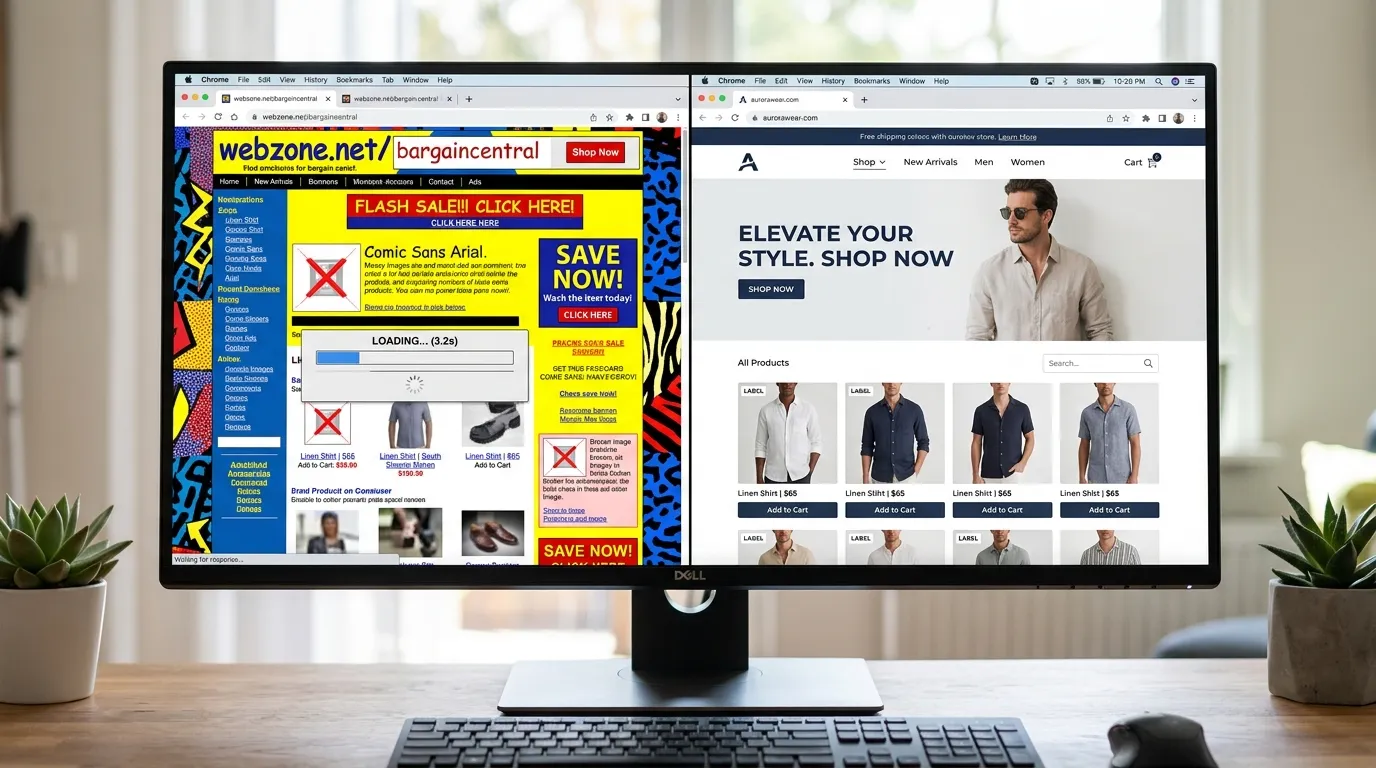
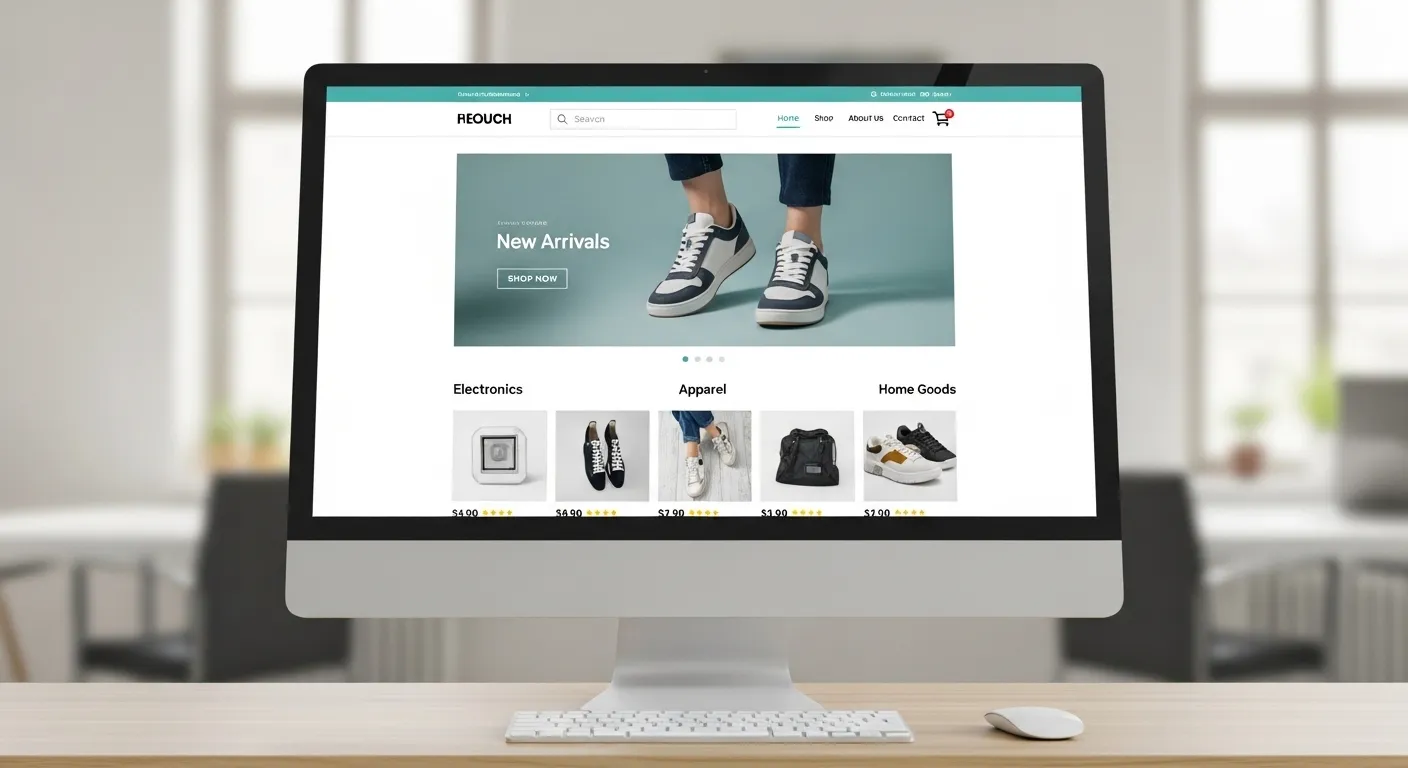
An ecommerce website must do more than display products. It should guide visitors smoothly from browsing to purchase. If the design is confusing or slow, customers often leave before completing a transaction. A clear structure, simple navigation, and fast loading pages help build trust and increase sales.
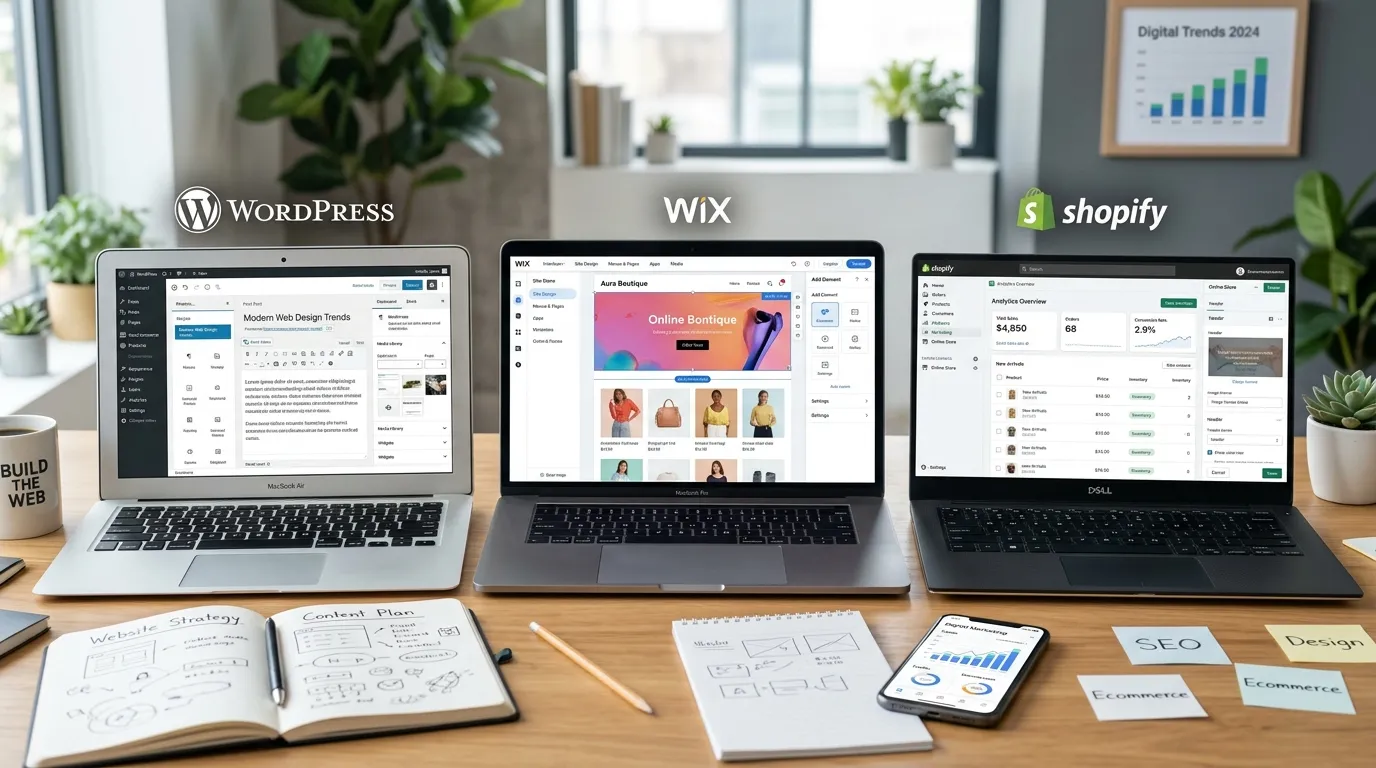
Online stores built on platforms such as WordPress, Shopify, and WooCommerce rely heavily on good design decisions. Every element from product pages to checkout flow influences the buying decision. A well designed store also helps search engines understand the website better.
This guide explains the key elements every ecommerce website should include. These design practices help improve customer experience, search visibility, and conversion rates.
Clear Website Structure
Logical Navigation Layout
A clear navigation layout helps visitors find products quickly. Categories such as clothing, electronics, or home items should appear in the main menu so users can move through the store easily. When visitors understand the site structure, they spend more time exploring products.
Search engines also rely on site structure to understand page relationships. A logical hierarchy helps platforms like Google Search crawl the website and index product pages efficiently.
Simple Category Organization
Product categories should follow a simple and predictable structure. Each category should contain related products so visitors do not feel confused while browsing.
For example, clothing stores often separate items into categories such as men's wear, women's wear, and accessories. This organization helps customers locate products faster and improves the overall shopping experience.
Mobile Friendly Design
Responsive Layout
A large number of online shoppers use smartphones to browse and buy products. A responsive layout ensures the website adjusts properly across devices such as mobile phones, tablets, and desktop computers.
Search engines also evaluate mobile usability as part of ranking signals. A responsive ecommerce site provides better user experience and supports stronger search visibility.
Touch Friendly Navigation
Mobile users interact with websites using touch gestures rather than mouse clicks. Buttons, menus, and product filters should be large enough for easy tapping.
Simple mobile navigation improves browsing comfort and reduces frustration. When customers can move through the store smoothly, they are more likely to complete a purchase.
Product Page Optimization
Clear Product Information
Product pages should provide detailed information that helps customers make purchase decisions. Important details include product descriptions, specifications, pricing, and availability.
Clear information reduces uncertainty for buyers. Well written descriptions also support search visibility because search engines analyze product content while indexing pages.
High Quality Product Images
Images play a major role in ecommerce design. Customers rely on visuals to understand product appearance, texture, and size before making a purchase.
Multiple product images from different angles improve trust. Clear visuals also create a professional appearance that encourages customers to continue shopping.
Secure And Simple Checkout Process
Streamlined Checkout Flow
A complicated checkout process often leads to abandoned carts. Ecommerce websites should keep checkout steps simple and easy to follow. Customers should move from cart to payment with minimal effort.
Reducing unnecessary form fields also improves conversion rates. A short checkout process helps customers complete their purchases quickly.
Secure Payment Systems
Online shoppers expect secure payment options when purchasing products. Payment gateways such as Stripe and PayPal protect transaction data and build customer trust.
Displaying secure payment badges and encrypted connections reassures customers that their information is safe during the transaction process.
Website Speed And Performance
Fast Page Loading
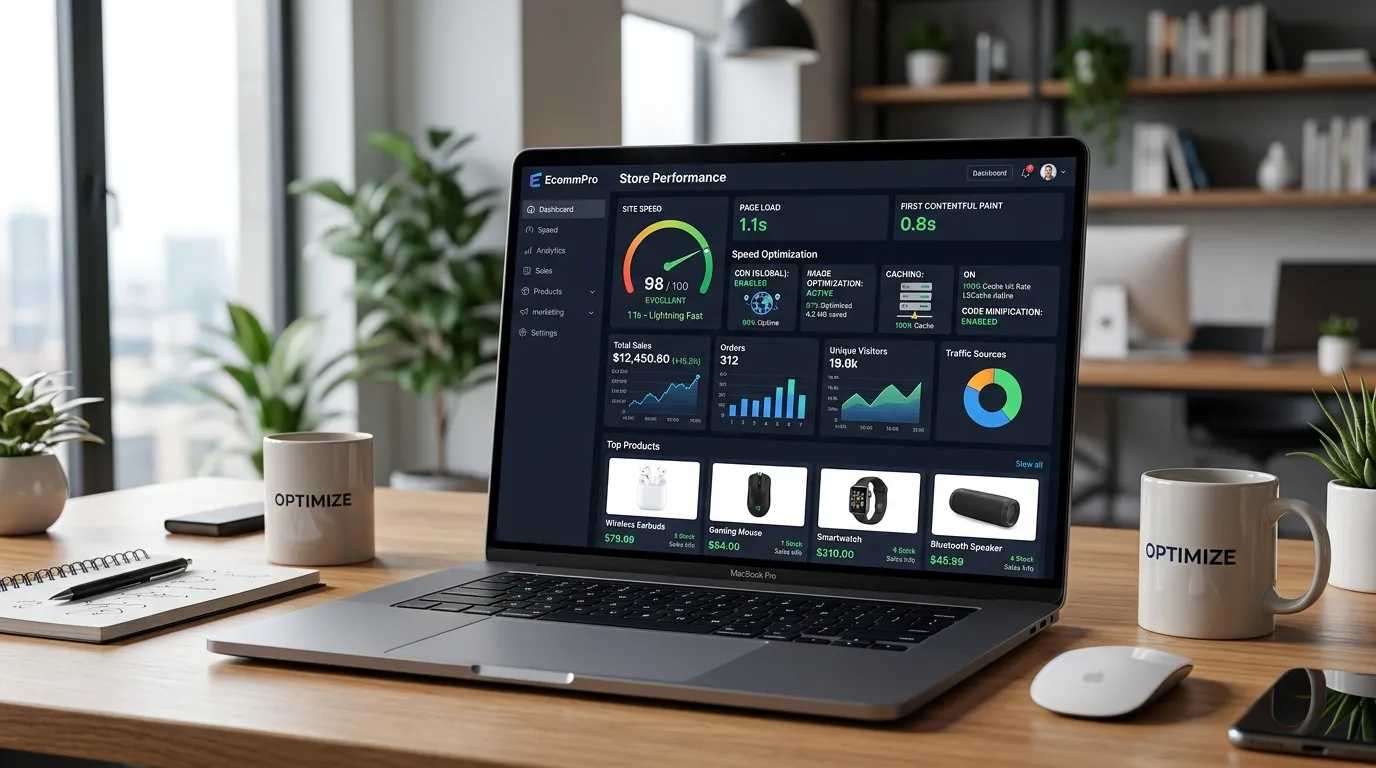
Page speed strongly influences both user experience and search visibility. Slow loading websites often cause visitors to leave before viewing products. Fast loading pages keep shoppers engaged and improve browsing satisfaction.
Performance improvements such as image compression and caching help reduce loading time. Faster websites also support stronger rankings in search results.
Optimized Images And Files
Large images and heavy design files can slow down an ecommerce website. Optimizing these files helps maintain smooth performance without reducing visual quality.
Efficient image formats and compressed files reduce server load. This allows the website to handle higher traffic while maintaining stable performance.
Search And Product Filters
Internal Search Function
A strong internal search feature helps customers locate products quickly. Many shoppers prefer typing a product name instead of browsing multiple categories.
Accurate search results improve the shopping experience. Customers who find products quickly are more likely to complete a purchase.
Advanced Product Filters
Filters allow shoppers to narrow results based on price, size, brand, or color. This feature becomes especially useful for stores with large product catalogs.
Efficient filtering saves time for customers and reduces frustration. It helps visitors quickly identify products that match their needs.
Trust Signals And Customer Reviews
Customer Reviews And Ratings
Reviews from previous buyers help new customers feel confident about their purchase decisions. Honest feedback also creates transparency for online stores.
Displaying ratings and written reviews increases credibility. Shoppers often rely on these opinions before deciding to buy a product.
Trust Badges And Policies
Trust signals such as return policies, shipping details, and warranty information help reduce customer hesitation. These elements show that the store values transparency and customer support.
Security badges and payment verification logos also build confidence. When customers feel safe, they are more likely to complete transactions.
SEO Friendly Ecommerce Design
Search Optimized Product Pages
Search optimized product pages help ecommerce stores attract organic traffic. Titles, descriptions, and category structure should include relevant keywords related to the products.
Search engines analyze these elements to determine page relevance. Well structured product pages often appear higher in search results.
Structured Data For Products
Structured data helps search engines understand product details such as price, availability, and ratings. This information can appear in rich search results.
Adding structured data improves how product listings appear in search pages. Enhanced listings often attract more clicks from potential customers.
Conclusion
An ecommerce website succeeds when design, usability, and performance work together. Clear navigation, mobile friendly layouts, fast loading pages, and secure checkout systems all influence the customer experience.
A well structured ecommerce store helps visitors browse products easily and complete purchases without confusion. At the same time, search optimized pages allow search engines to understand and index product content.
Businesses that focus on user friendly design and technical performance often see stronger engagement, higher conversions, and better long term growth in online sales.