Cheap web design looks like a smart move at first. You save money, get a website quickly, and feel ready to launch. But after some time, problems start to show.
The real cost is not what you pay at the start. It is what you keep paying later to fix issues, improve performance, and rebuild parts that were done poorly.
Poor Structure Leads To Costly Fixes
Low-cost websites often skip proper planning. Pages are added without clear structure, and navigation feels confusing. This creates problems when you try to scale or update the site later.
Fixing a bad structure is not simple. Developers usually need to rebuild large parts of the site, which costs more than doing it right the first time.
Weak SEO Means Paying More For Traffic
Cheap web design usually ignores SEO basics. Pages are not optimized, headings are messy, and site speed is poor. As a result, your website does not rank on search engines.
To get traffic, you end up spending money on ads. Over time, this becomes more expensive than investing in a properly optimized website from the start.
Slow Performance Drives Users Away
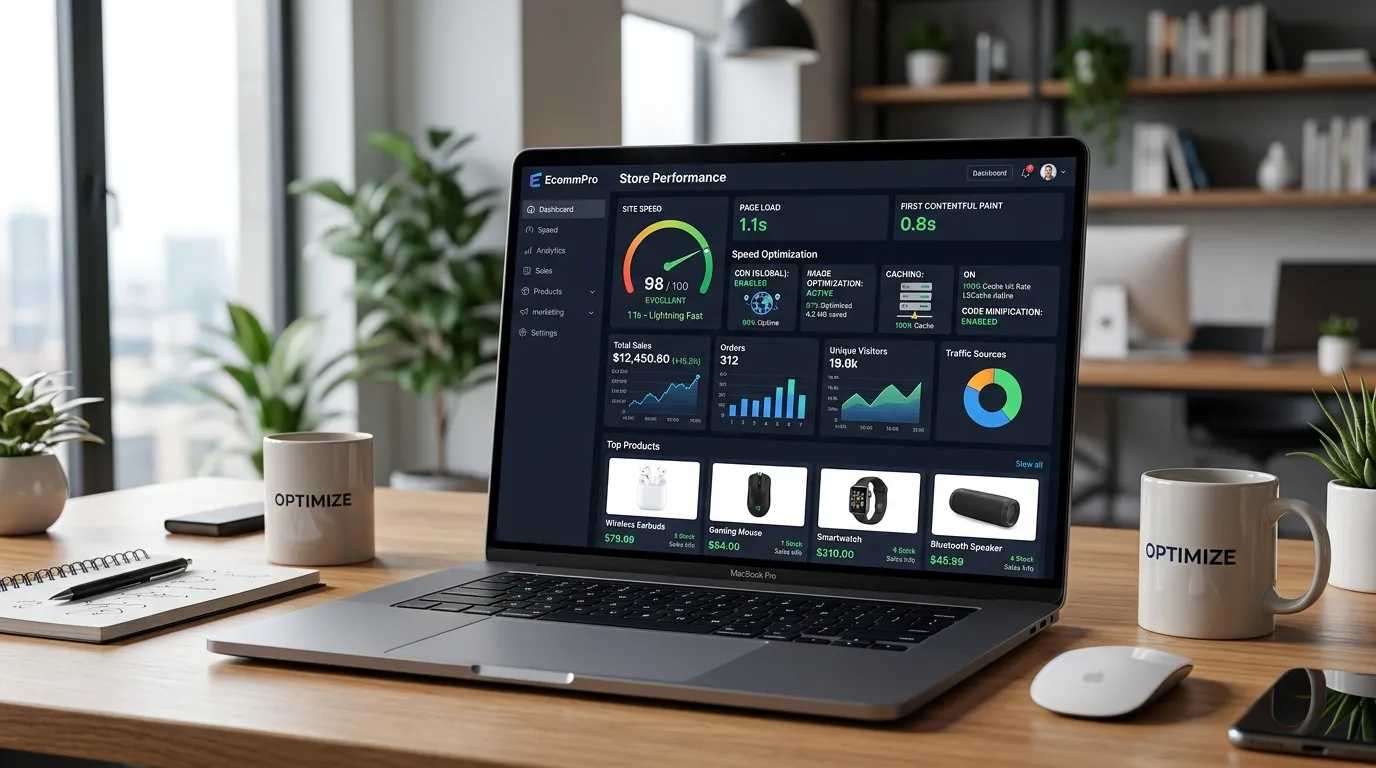
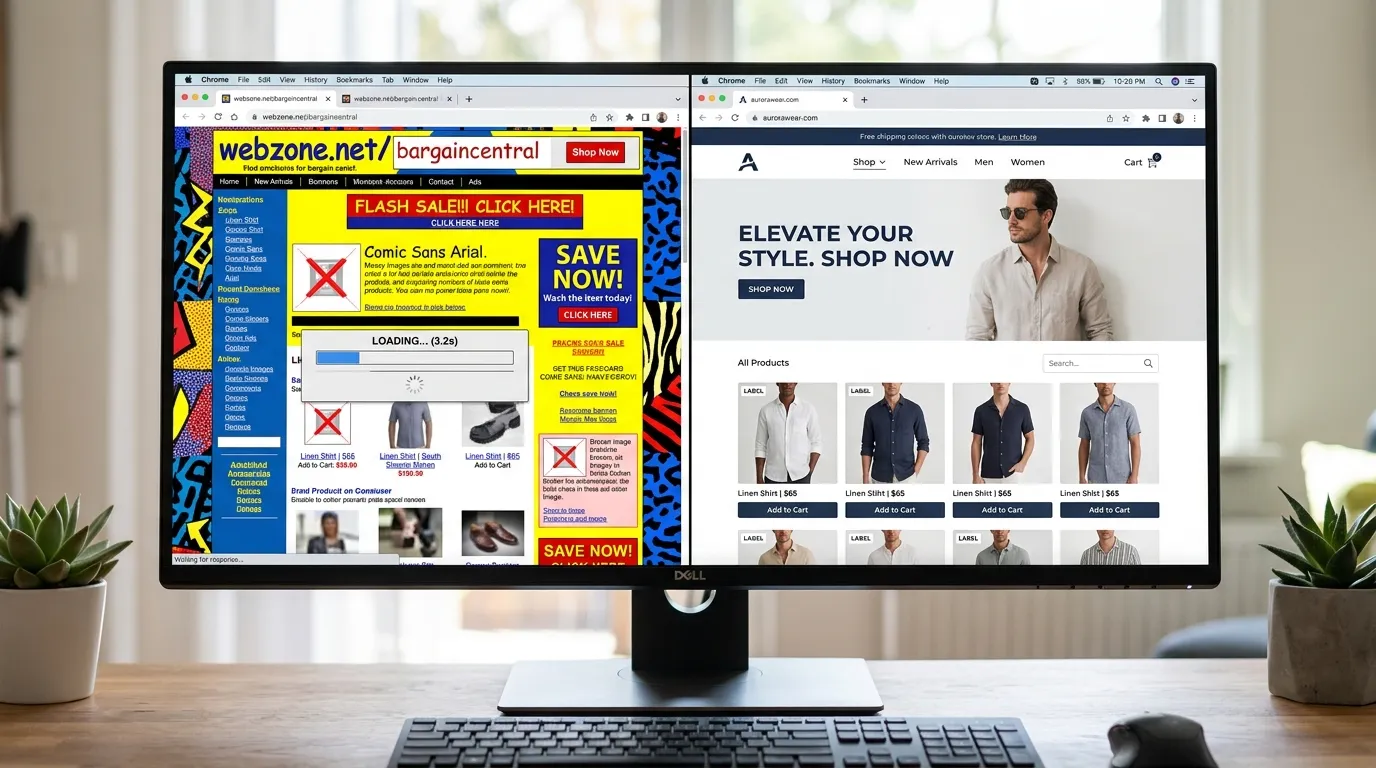
Speed is a major factor in user experience. Cheap websites often use heavy themes, unoptimized images, and poor hosting setups. This leads to slow loading times.
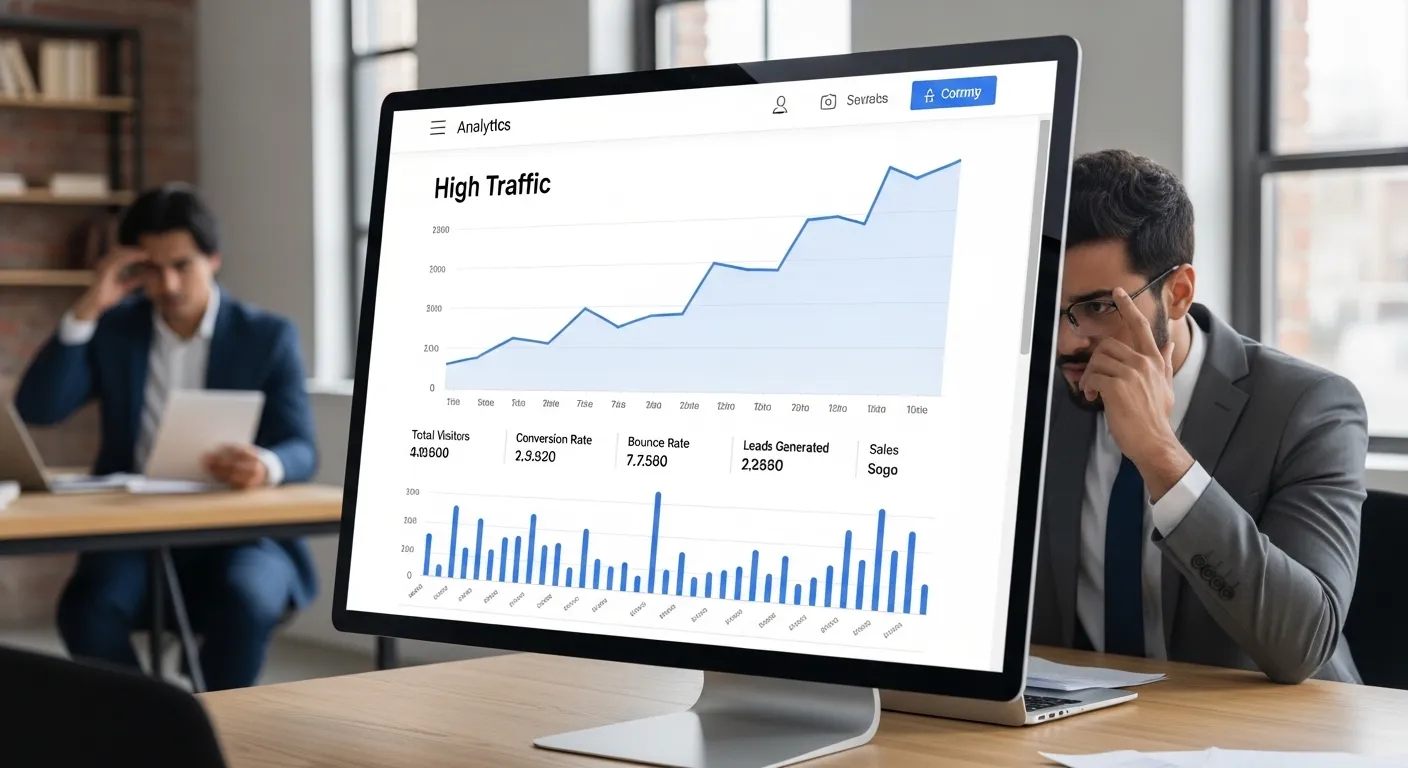
Visitors do not wait. They leave quickly, which increases bounce rate and reduces conversions. You lose potential customers without even knowing it.
Limited Customization Creates Future Problems
Budget designs often rely on pre-made templates with limited flexibility. At first, this seems fine, but later you realize you cannot add features easily.
When your business grows, you need changes. Instead of upgrading smoothly, you are forced to rebuild the site, which adds extra cost and delays.
Security Risks Increase Long-Term Costs
Cheap websites often skip proper security setup. Outdated plugins, weak code, and poor hosting make the site vulnerable to attacks.
If your website gets hacked, recovery can be expensive. You may lose data, rankings, and user trust. Fixing security after damage is always harder than preventing it.
Poor User Experience Reduces Conversions
Design is not just about looks. It is about how users move, click, and take action. Cheap websites often ignore user experience, which leads to confusion and frustration.
If users cannot find what they need quickly, they leave. This directly affects sales, leads, and overall business growth.
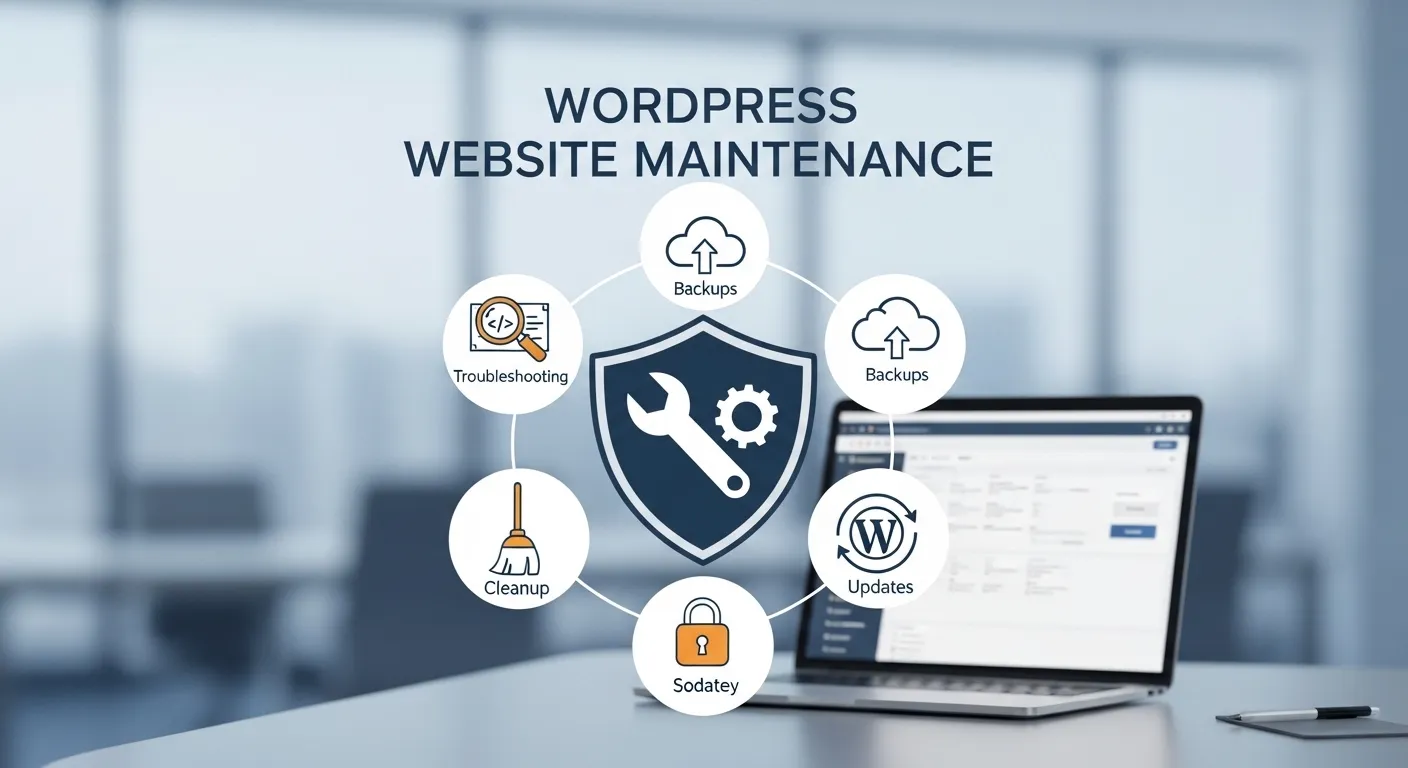
Ongoing Maintenance Becomes Expensive
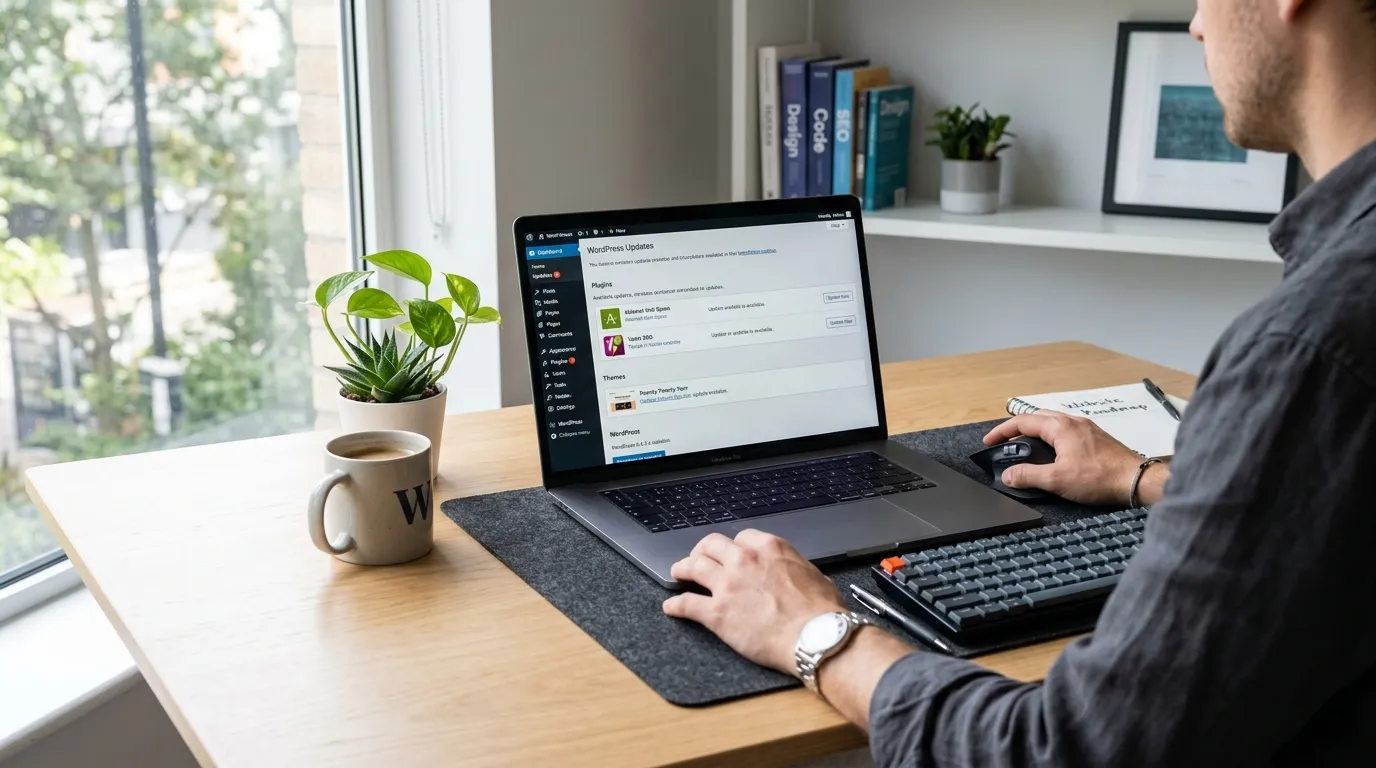
Low-quality websites often break more often. Plugins conflict, layouts shift, and updates cause issues. This means frequent fixes and developer support.
Instead of saving money, you keep spending small amounts regularly. Over time, these costs add up and exceed what a good website would have cost initially.
Final Verdict
Cheap web design saves money only in the short term. In the long run, it leads to higher costs, poor performance, and missed opportunities.
A well-built website is an investment, not an expense. Spending wisely at the start helps you avoid bigger problems later.