
Getting traffic is exciting. Seeing zero conversions is frustrating. Many businesses rank on Google, run paid ads, and post on social media, yet enquiries stay low. The issue is rarely visibility. It is usually clarity, trust, or user experience.
Visitors do not convert because something feels unclear, risky, or unnecessary. If your website does not answer their questions fast, they leave. This guide explains the real reasons behind low conversion rates and how to fix them using proven conversion rate optimization and SEO principles.
Mismatch Between Search Intent And Page Content
One major reason visitors do not convert is intent mismatch. If someone searches for pricing but lands on a general service page, they feel misled. Search intent must align with your landing page message.
Check Google Search Console for keywords driving traffic. If the content does not match those queries, update headlines and sections. When your page reflects exactly what users searched for, trust increases and enquiries improve.
Weak Value Proposition And Unclear Messaging
If visitors cannot understand what you offer in seconds, they will not act. A vague headline creates confusion. People need to know what you do, who it is for, and what result they can expect.
Clear messaging reduces doubt. Replace generic claims with specific outcomes. Explain how your service solves a defined problem. When your value proposition is strong, visitors feel confident moving forward.
Poor Call To Action Strategy
Some websites hide their call to action. Others overwhelm visitors with too many options. Both approaches reduce conversions. A strong page guides users toward one clear next step.
Your call to action should be visible, direct, and repeated naturally. Buttons like “Request A Quote” or “Book A Consultation” perform better than vague phrases. Simplicity encourages action.
Lack Of Trust And Credibility Signals
Visitors hesitate when they do not trust a brand. If your site lacks testimonials, reviews, or case studies, people question your reliability. Social proof reduces uncertainty and builds confidence.
Include real client feedback, measurable results, and clear contact details. Security badges and privacy statements also matter. Trust is often the difference between a bounce and a lead submission.
Slow Page Speed And Technical Issues
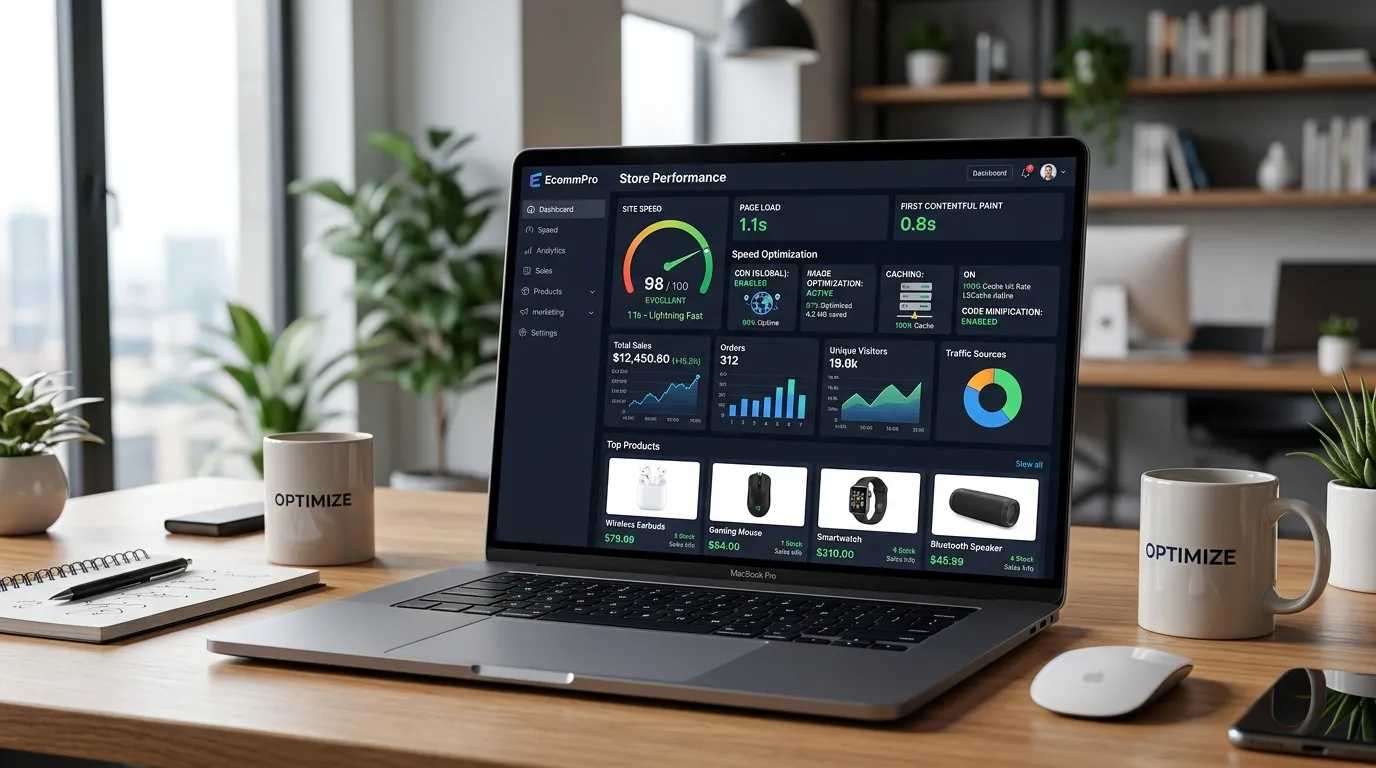
A slow website kills conversions. If your page takes too long to load, users leave before reading anything. Page speed affects both user experience and search rankings.
Optimize images, reduce heavy scripts, and improve hosting performance. Monitor Core Web Vitals such as loading time and layout stability. Technical improvements directly increase engagement and conversions.
Complicated User Experience And Navigation
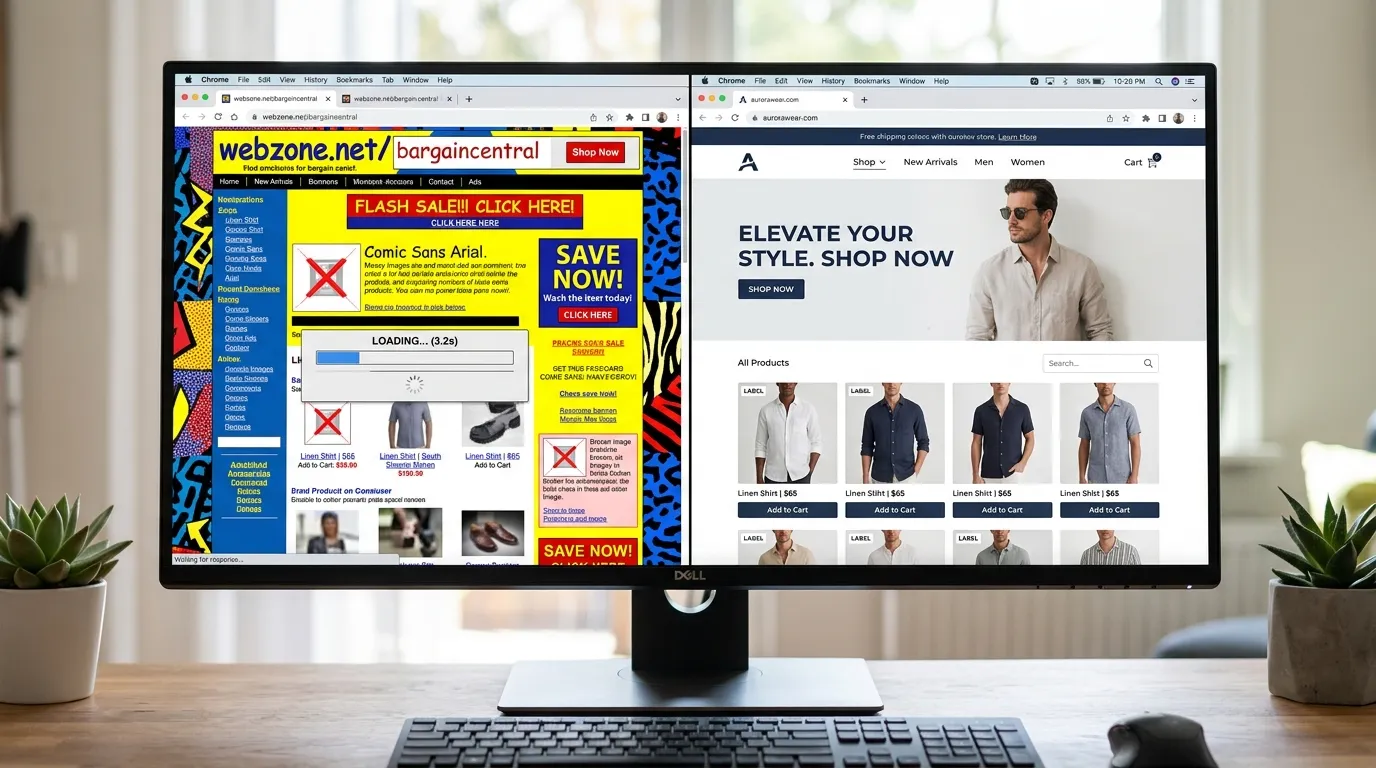
If users struggle to find information, they give up. Confusing navigation, long paragraphs, and cluttered layouts create friction. A website should guide visitors step by step.
Use clear headings, short paragraphs, and logical structure. Ensure mobile responsiveness, since most traffic comes from smartphones. When users can move smoothly through your site, they are more likely to convert.
No Conversion Tracking Or Data Analysis
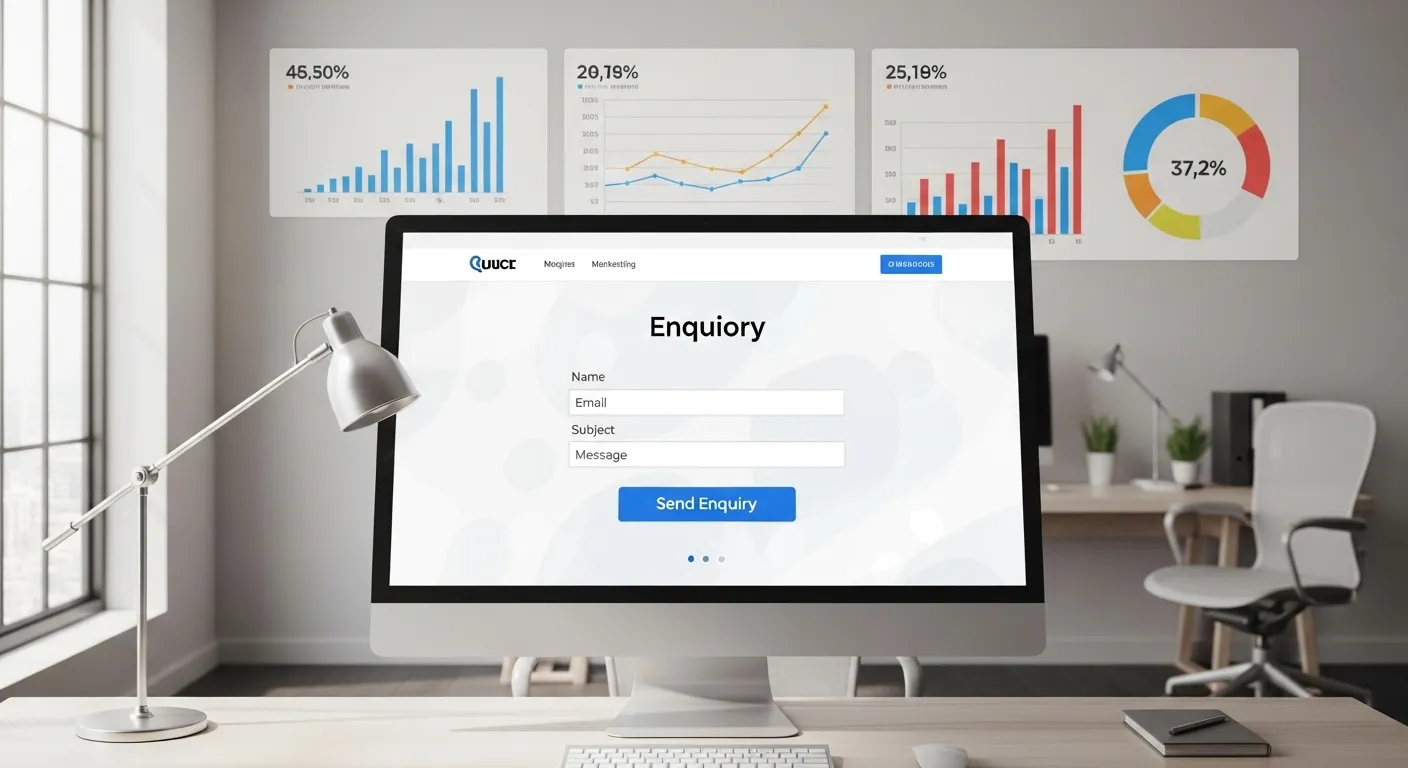
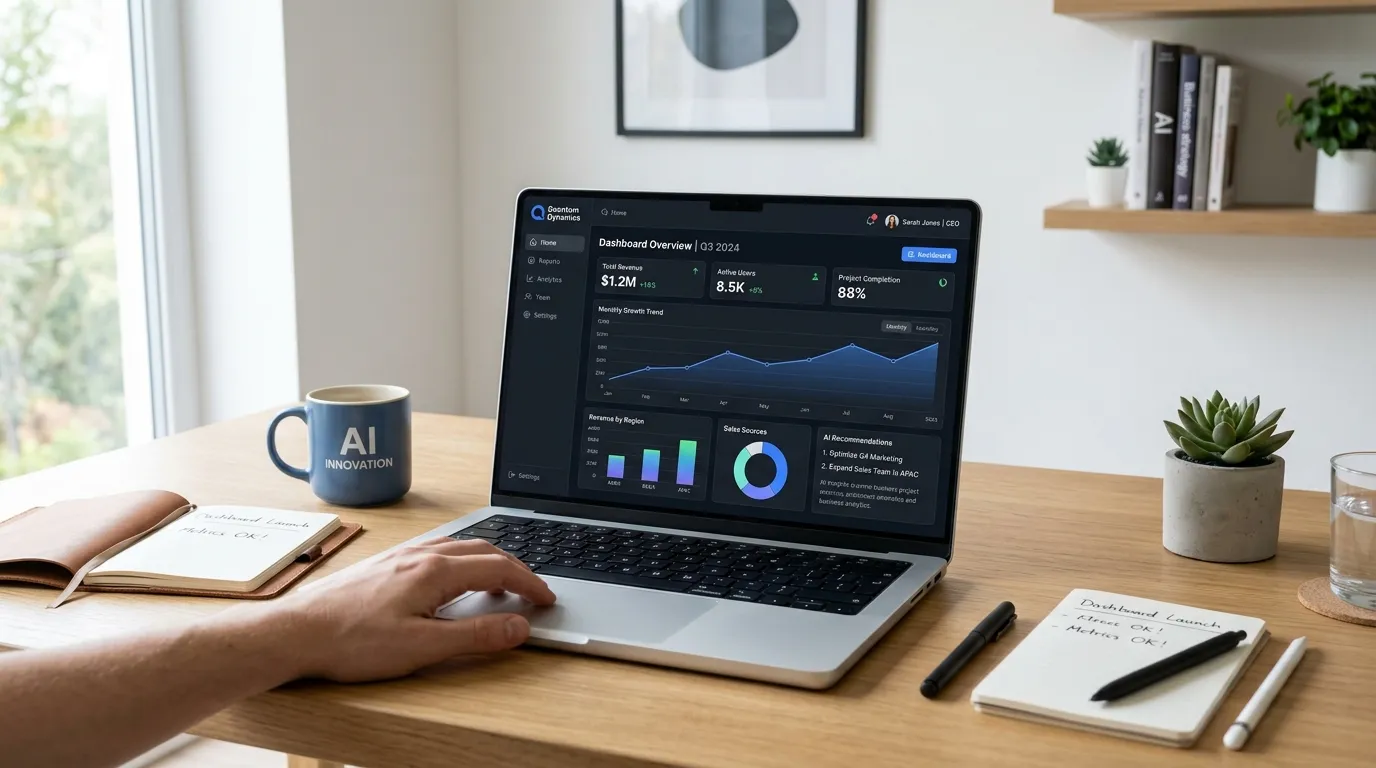
Many businesses guess why conversions are low. Without tracking, decisions are based on opinion, not data. Conversion tracking reveals where users drop off in the funnel.
Set up Google Analytics and event tracking for forms and buttons. Study bounce rate, session duration, and user flow. Data helps you adjust messaging, layout, and offers with confidence.
Conclusion
Website visitors do not convert for clear reasons. Intent mismatch, weak messaging, lack of trust, slow speed, and poor structure all reduce action. The solution is not more traffic. It is better alignment and stronger user experience.
When your website answers real questions, builds credibility, and removes friction, conversions improve. Focus on clarity, track performance, and refine consistently. Growth follows when trust and simplicity lead the design.