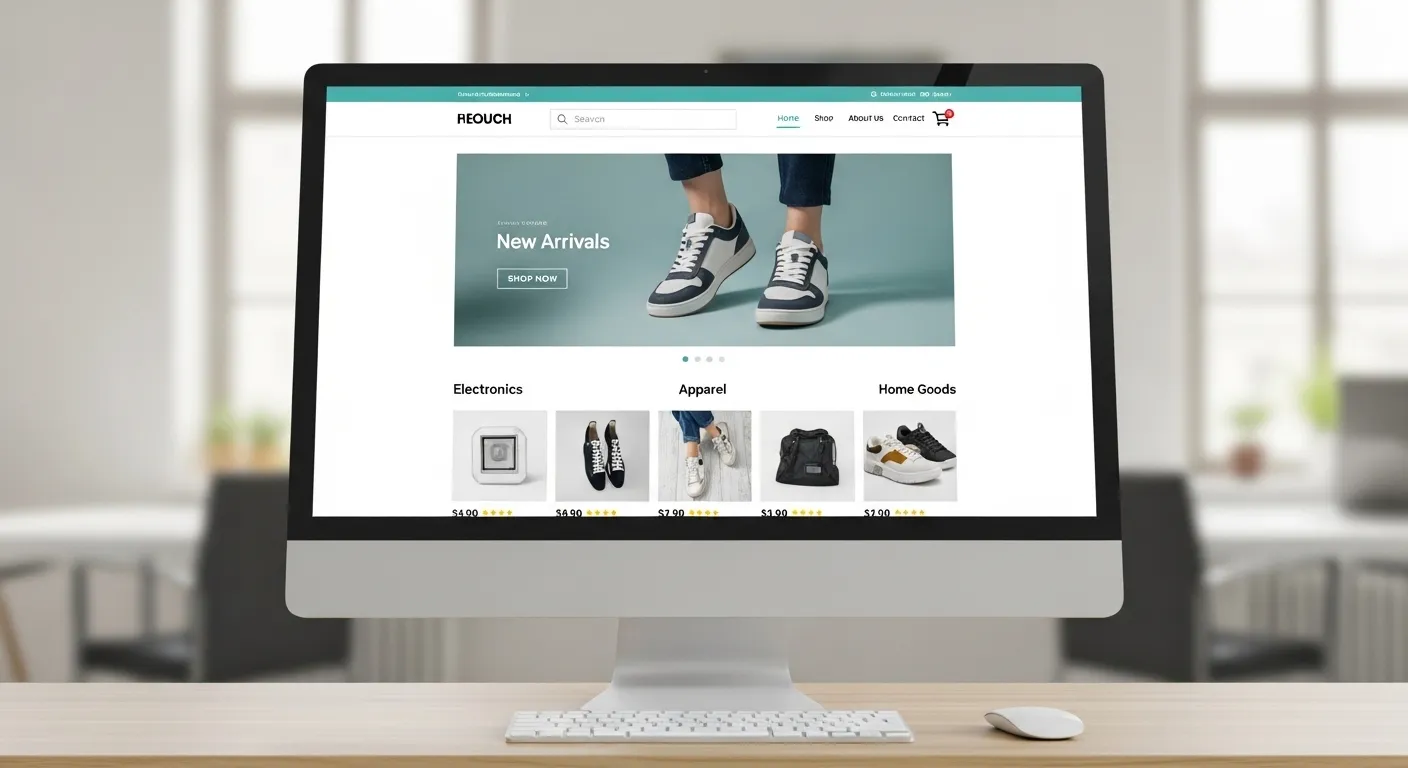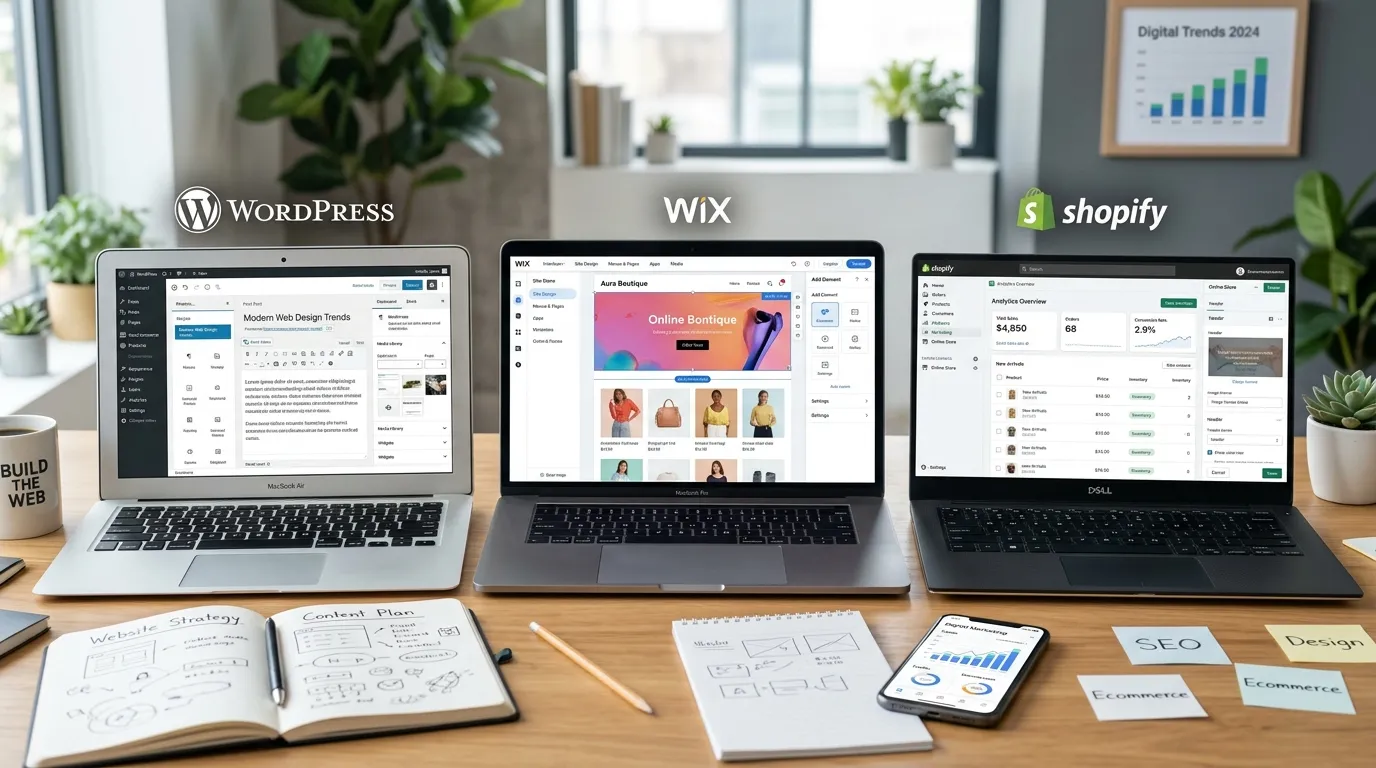

Online shopping in the United Kingdom keeps growing every year. From small local brands to national retailers, many companies now sell products through digital stores. A well chosen ecommerce platform makes this process easier by handling products, payments, and customer orders from one place.
UK businesses also need systems that support VAT, GBP currency, and trusted payment methods such as Visa, Mastercard, Apple Pay, and PayPal. A strong ecommerce system helps companies manage inventory, run promotions, and track customer behaviour without technical difficulty.
This guide explains the best ecommerce platforms used by UK businesses today. Each platform has different strengths, so the right choice depends on business size, technical skills, and long term goals for online growth.
What UK Businesses Should Look For In An Ecommerce Platform?
Choosing an ecommerce platform is a major step for any business planning to sell online. The system must support payments, product management, shipping tools, and search engine visibility. UK companies also need features that match local business rules and customer expectations.
Many platforms promise easy store creation, but only some provide strong SEO tools, flexible design, and smooth checkout systems. Businesses should think about scalability, transaction costs, and the level of technical knowledge required to manage the store.
A good ecommerce platform helps owners focus on selling products instead of dealing with technical problems. The goal is to create a store that loads fast, ranks well in Google, and provides a smooth buying experience for customers.
UK Payment Gateway Support
Payments are one of the most important parts of any ecommerce store. UK customers expect safe and simple payment methods such as debit cards, credit cards, PayPal, Apple Pay, and Google Pay. A good platform integrates easily with payment providers like Stripe and Worldpay.
Payment security also matters because customers want to know their data is protected. Platforms with SSL encryption and PCI compliant payment processing help build trust and prevent fraud during checkout.
Many ecommerce systems also support multi currency payments. This feature allows UK businesses to sell internationally while still managing accounts in British pounds.
GBP Currency And UK Tax Settings
Selling in the UK requires proper handling of VAT and currency settings. Ecommerce platforms must allow businesses to list product prices in GBP and automatically calculate VAT during checkout.
Some systems include built in tax rules for the United Kingdom, which reduces manual accounting work. This is especially helpful for small businesses that want accurate tax reporting without complex setup.
Clear tax display also improves transparency for customers. When VAT is calculated correctly at checkout, it reduces confusion and builds confidence in the store.
Shipping And Delivery Integration
Fast and reliable shipping plays a large role in online shopping decisions. UK ecommerce stores need easy integration with delivery services such as Royal Mail, DPD, Hermes, and UPS.
A good ecommerce platform can automatically calculate shipping costs based on weight, location, and delivery method. This helps store owners avoid manual calculations and keeps shipping prices accurate.
Many systems also provide order tracking and automated shipping labels. These tools save time while giving customers updates about their package status.
SEO And Marketing Tools
Search engine visibility is essential for ecommerce success. Platforms with strong SEO tools allow businesses to control page titles, meta descriptions, product URLs, and structured content.
Blog systems and content pages help stores attract traffic through informational searches. For example, product guides and buying advice can rank in Google and bring potential customers into the store.
Marketing features such as discount codes, email campaigns, and abandoned cart recovery also help increase sales. These tools turn visitors into paying customers without extra software.
Ease Of Use And Store Management
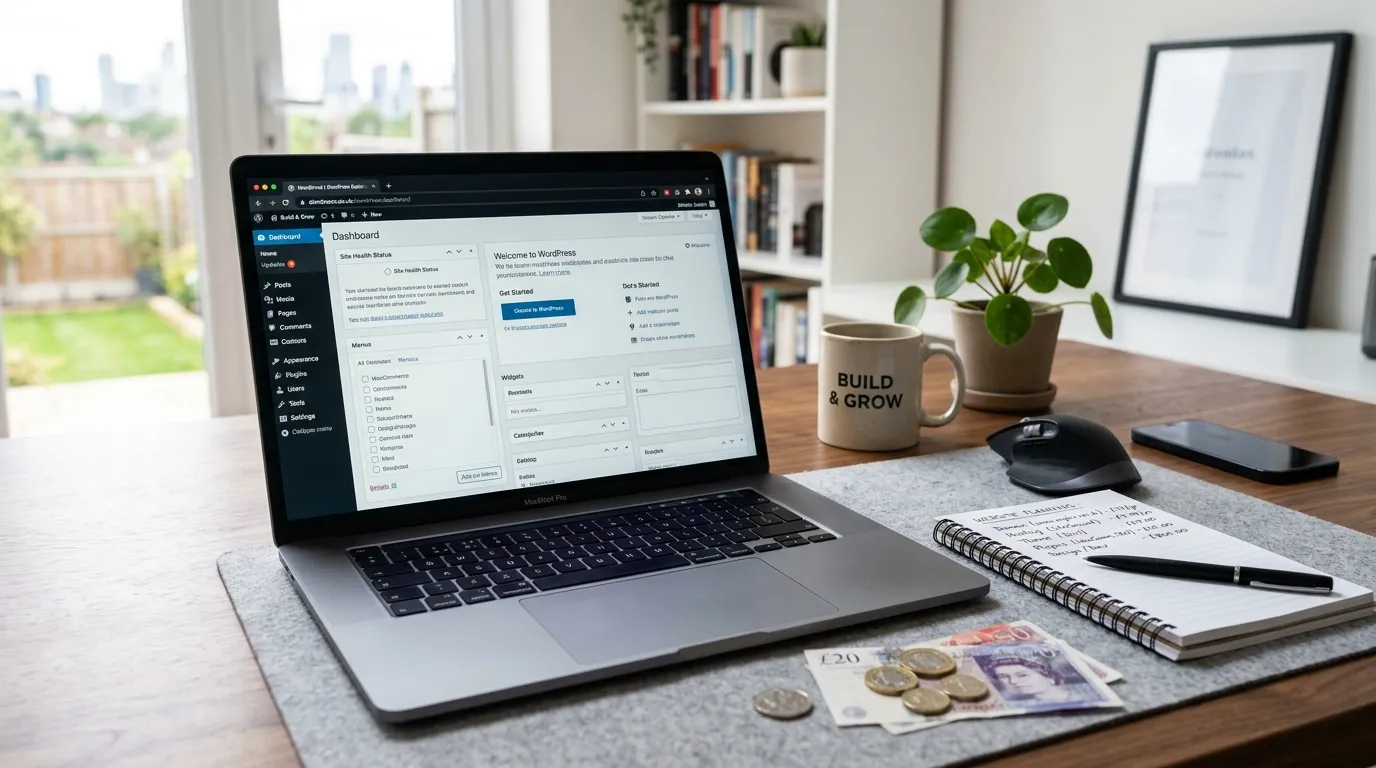
A well designed dashboard makes store management simple. Business owners should be able to upload products, update prices, and manage orders without technical training.
Inventory tracking is also important because it prevents overselling products that are out of stock. Platforms with automated stock alerts help store owners maintain accurate product availability.
Customer management tools allow businesses to view order history and customer data in one place. This information helps improve customer service and repeat purchases.
Shopify
Overview Of Shopify
Shopify is one of the most widely used ecommerce platforms in the UK and worldwide. It is a hosted solution, which means businesses do not need separate hosting or technical maintenance.
The platform offers ready made themes and a clean interface that allows stores to be launched quickly. Many entrepreneurs choose Shopify because the setup process is simple and the system manages security and updates automatically.
Today thousands of UK retailers use Shopify to sell clothing, electronics, cosmetics, and home products through their online stores.
Key Features For UK Businesses
Shopify includes features that support UK ecommerce operations such as VAT settings, GBP pricing, and integration with payment providers like Stripe and PayPal. These tools allow businesses to start accepting payments quickly.
The Shopify App Store also provides thousands of plugins for marketing, shipping, analytics, and inventory management. Businesses can expand store functionality without complex development work.
Mobile responsive themes help stores look professional on smartphones and tablets. Since many customers shop using mobile devices, this feature improves the buying experience.
Pros And Cons
One advantage of Shopify is its ease of use. Even beginners can launch a professional online store without coding knowledge. The platform also provides strong security and reliable hosting.
However, Shopify uses monthly subscription pricing and transaction fees for some payment gateways. Businesses that require deep customization may also find limitations compared with open source systems.
Despite these limits, Shopify remains one of the most reliable ecommerce platforms for small and mid sized businesses in the UK.
Best Type Of UK Business For Shopify
Shopify works well for startups and growing ecommerce brands that want quick store setup. Businesses selling fashion, beauty products, electronics, and lifestyle goods often choose this platform.
The system also supports multi channel selling through marketplaces and social platforms. This helps brands reach customers through Facebook, Instagram, and Google Shopping.
For companies that want a stable platform with minimal technical work, Shopify offers a practical balance between simplicity and functionality.
WooCommerce
Overview Of WooCommerce
WooCommerce is a popular ecommerce plugin built for WordPress websites. It converts a normal website into a fully functional online store with product listings and checkout features.
Because WooCommerce is open source, businesses have full control over store design and functionality. Developers can customise almost every part of the system.
Many UK businesses prefer WooCommerce because it combines content marketing and ecommerce on the same platform.
Key Features
WooCommerce provides strong flexibility through thousands of WordPress plugins and themes. Store owners can customise payment gateways, shipping methods, and product display.
The system also supports digital products, physical products, and subscription services. This allows businesses to sell many types of goods through one store.
Advanced product options such as variable pricing, product attributes, and stock management make WooCommerce suitable for complex product catalogs.
Pros And Cons
One of WooCommerce's biggest strengths is control. Businesses can customise every aspect of the store including design, checkout flow, and SEO settings.
However WooCommerce requires web hosting, updates, and plugin management. Without technical knowledge, maintenance may take extra time compared with hosted platforms.
Despite these requirements, WooCommerce remains one of the most flexible ecommerce systems used by UK companies.
Best Type Of UK Business For WooCommerce
WooCommerce works best for businesses already using WordPress websites. Companies that rely on blogging and search traffic often prefer this platform.
It is also suitable for brands that want strong control over design and technical structure. Developers can modify the store without platform restrictions.
Businesses planning long term content marketing and organic traffic growth often find WooCommerce a strong option.
BigCommerce
Overview Of BigCommerce
BigCommerce is a hosted ecommerce platform built for businesses planning strong growth. The system includes advanced ecommerce tools without requiring separate plugins.
Many mid sized retailers use BigCommerce because it handles large product catalogs and high traffic volumes. The platform also provides built in SEO features and strong performance.
Companies selling across multiple channels often use BigCommerce for its integration with marketplaces and online sales platforms.
Key Features
BigCommerce includes advanced product management, flexible product options, and strong checkout features. These tools help businesses manage large inventories easily.
The platform also supports multi channel selling through Amazon, eBay, Facebook, and Google Shopping. This allows stores to reach customers across several sales platforms.
Built in analytics and reporting tools help business owners track revenue, conversion rates, and customer behaviour.
Pros And Cons
One advantage of BigCommerce is that many advanced ecommerce tools are included without additional plugins. This reduces the need for third party software.
However the platform can feel complex for beginners because of its wide feature set. Pricing tiers may also increase as store revenue grows.
Despite these factors, BigCommerce remains a strong choice for growing ecommerce businesses that need scalability.
Best Type Of UK Business For BigCommerce
BigCommerce is suitable for businesses with expanding product ranges and strong monthly sales. Retailers planning large online catalogs benefit from its advanced features.
The platform also supports international sales with multiple currencies and payment options. This makes it useful for UK brands selling globally.
Businesses focused on scaling operations and managing high order volumes often prefer BigCommerce.
Wix Ecommerce
Overview Of Wix Ecommerce
Wix Ecommerce is part of the Wix website builder platform. It allows businesses to create online stores using drag and drop design tools.
The system is known for simplicity and visual website creation. Users can design pages without coding or technical skills.
Many small UK businesses choose Wix because it allows them to launch an online store quickly.
Key Features
Wix provides professionally designed templates that help stores look modern and mobile friendly. Users can customise layouts using visual editing tools.
The platform also includes product management, payment integration, and basic marketing features. Businesses can manage orders and inventory from a simple dashboard.
Wix also provides blogging tools, which help stores attract visitors through informational content.
Pros And Cons
The biggest advantage of Wix is its simplicity. Beginners can build an online store without hiring developers.
However Wix has fewer advanced ecommerce features compared with platforms like Shopify or BigCommerce. Large stores may find limitations with product management.
For small product catalogs and simple stores, Wix remains a practical solution.
Best Type Of UK Business For Wix
Wix works well for small businesses, independent retailers, and local brands. Companies selling handmade products or niche items often choose Wix.
The platform is also useful for businesses combining ecommerce with informational websites. Service providers can add online stores to sell merchandise.
For beginners looking for an easy entry into ecommerce, Wix offers a simple starting point.
Magento (Adobe Commerce)
Overview Of Magento
Magento, now known as Adobe Commerce, is a powerful ecommerce platform used by large retailers and enterprise companies. It offers extensive customisation and scalability.
The system allows businesses to manage large product catalogs and complex store structures. Many global brands rely on Magento for high volume ecommerce operations.
Because of its flexibility, Magento requires experienced developers for setup and maintenance.
Key Features
Magento supports advanced product management, custom checkout experiences, and detailed customer segmentation. Businesses can personalise shopping experiences for different users.
The platform also provides strong multi store capabilities. Companies can manage multiple online stores from a single dashboard.
Advanced analytics and marketing tools allow businesses to track customer behaviour and improve conversion rates.
Pros And Cons
Magento offers exceptional flexibility and scalability for large ecommerce operations. Businesses can customise almost every part of the system.
However the platform requires development expertise and higher hosting resources. Setup and maintenance costs are higher than most ecommerce platforms.
Despite these requirements, Magento remains one of the most powerful ecommerce systems available.
Best Type Of UK Business For Magento
Magento is ideal for enterprise retailers and companies with large product catalogs. Businesses managing thousands of products benefit from its advanced tools.
Brands selling internationally often use Magento because of its multi store and multi currency support.
Companies with dedicated development teams usually choose Magento for full control over ecommerce operations.
OpenCart
Overview Of OpenCart
OpenCart is an open source ecommerce platform that allows businesses to create online stores without licensing fees. The system offers basic ecommerce tools with flexible customization.
Many small and mid sized businesses choose OpenCart because of its lightweight structure. It can run efficiently on standard hosting environments.
OpenCart also supports multiple languages and currencies, which helps businesses sell internationally.
Key Features
The platform includes product management, customer accounts, and order tracking tools. Store owners can manage products and categories from a simple dashboard.
OpenCart also has an extension marketplace where businesses can install plugins for shipping, payments, and marketing tools.
Multi store functionality allows users to manage several ecommerce websites from a single admin panel.
Pros And Cons
OpenCart is free and flexible, which makes it attractive for businesses with limited budgets. Store owners can customise the system using extensions and themes.
However the platform may require technical knowledge for installation and updates. Some advanced features depend on third party extensions.
Despite these limitations, OpenCart remains a reliable ecommerce option for businesses seeking affordability.
Best Type Of UK Business For OpenCart
OpenCart suits businesses that want a low cost ecommerce solution with flexibility. Small retailers and online startups often use this platform.
The system works well for stores with moderate product catalogs and straightforward sales processes.
Businesses comfortable managing hosting and technical setup may find OpenCart a suitable platform.
Comparing Ecommerce Platforms For UK Businesses
Choosing the right ecommerce platform requires comparing pricing, ease of use, and scalability. Each system offers different strengths depending on business size and technical ability.
Some platforms focus on simplicity while others provide deep customization and advanced ecommerce features. Understanding these differences helps businesses choose a platform that supports long term growth.
A careful comparison helps store owners avoid expensive migrations later as their ecommerce operations expand.
Pricing Comparison
Pricing varies widely between ecommerce platforms. Hosted platforms like Shopify and BigCommerce charge monthly subscription fees.
Open source systems such as WooCommerce and OpenCart may appear cheaper but require hosting, plugins, and development costs.
Businesses should calculate total costs including payment processing fees, hosting, and software extensions.
Ease Of Setup
Some ecommerce platforms are designed for beginners with simple store creation tools. Wix and Shopify allow businesses to launch stores without coding knowledge.
Platforms like WooCommerce and Magento require more technical setup and configuration. However they provide greater flexibility.
Choosing the right level of complexity depends on the business owner's technical skills and available resources.
Scalability
Scalability determines whether a platform can support business growth over time. Systems like BigCommerce and Magento handle large product catalogs and high traffic volumes.
Smaller platforms may work well initially but struggle when order volumes increase. Businesses expecting strong growth should choose scalable solutions early.
A scalable ecommerce platform prevents costly migrations and technical disruptions later.
Which Ecommerce Platform Is Best For Your UK Business?
Choosing the best ecommerce platform depends on business goals, budget, and technical expertise. Each platform offers advantages for different types of online stores.
Some systems prioritise ease of use while others provide advanced ecommerce capabilities. Understanding these differences helps businesses choose the right technology for their store.
The best ecommerce platform is one that supports sales growth while remaining manageable for the business owner.
Best For Small Businesses
Small businesses often prefer platforms that require minimal setup and technical knowledge. Shopify and Wix allow stores to launch quickly with ready made templates.
These systems also provide built in hosting, security, and payment processing. This reduces the need for separate technical services.
For entrepreneurs starting their first online store, simple platforms provide an efficient entry into ecommerce.
Best For Growing Online Stores
Businesses experiencing strong sales growth often require more advanced features. Platforms like BigCommerce and WooCommerce provide deeper control over store operations.
These systems allow businesses to expand product catalogs, integrate marketing tools, and manage customer data more effectively.
Growing stores benefit from flexible platforms that support increased traffic and larger product ranges.
Best For Large Ecommerce Brands
Large ecommerce companies require powerful platforms capable of managing complex operations. Magento and BigCommerce support high traffic stores with large product catalogs.
These systems also provide advanced marketing tools, analytics, and international sales features.
For enterprise level ecommerce operations, scalable platforms ensure stability and long term growth.
Conclusion
Choosing the right ecommerce platform plays a major role in the success of an online store. UK businesses must consider payment support, VAT handling, shipping integration, and SEO features before selecting a system.
Platforms such as Shopify, WooCommerce, BigCommerce, Wix, Magento, and OpenCart each serve different types of businesses. The best option depends on technical ability, store size, and long term growth plans.
A well chosen ecommerce platform provides the foundation for online success. With the right system in place, businesses can focus on product quality, customer service, and sustainable sales growth.