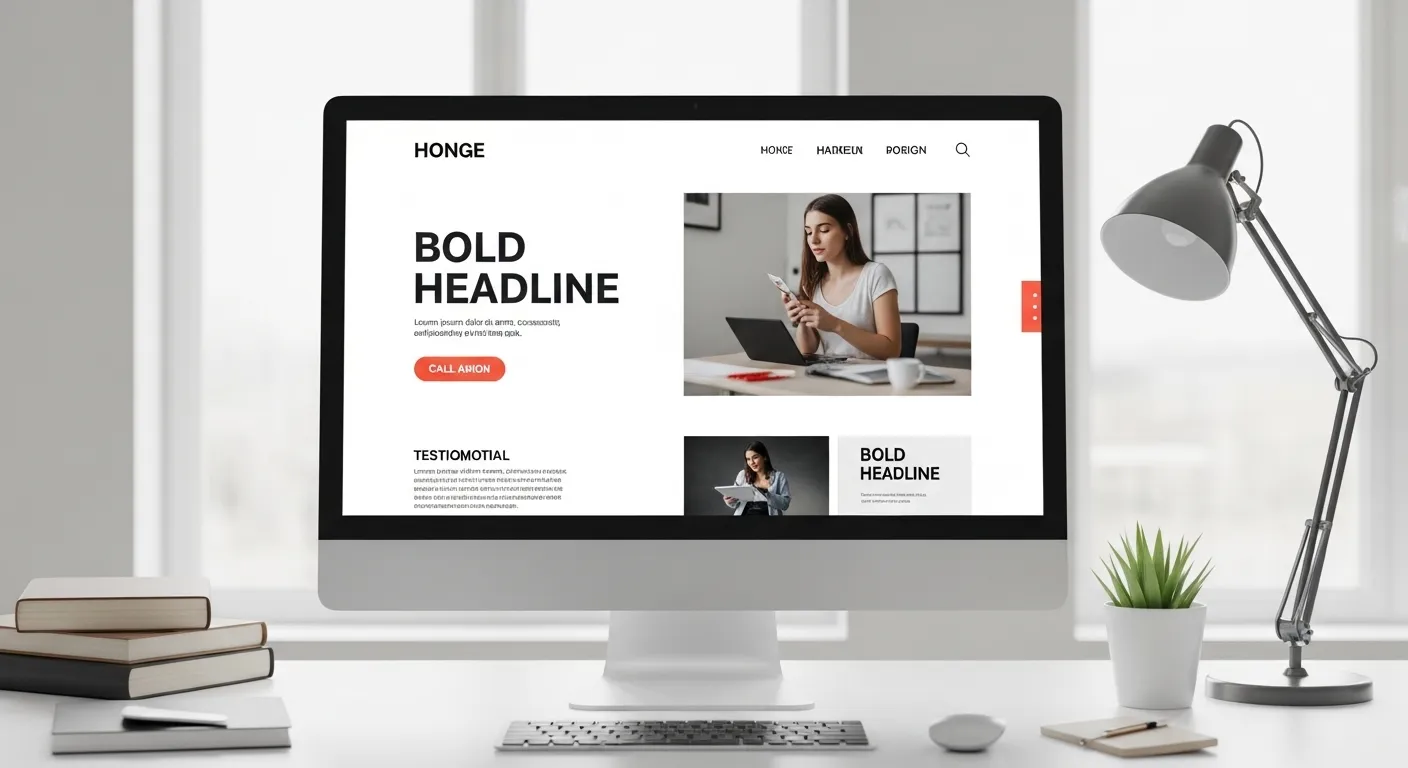
A landing page has one job. It turns visitors into leads or customers. If it fails, your ads, SEO, and email campaigns lose value. Good design is not about colors or trends. It is about clarity, trust, and guiding action.
Here’s the thing. People decide in seconds. They scan headlines, look at images, and search for proof. If your page feels confusing or slow, they leave. This guide breaks down what actually improves conversions, based on user behavior, psychology, and search intent.
Clear Value Proposition
Your value proposition is the first thing visitors should see. It must explain what you offer, who it is for, and why it matters. A strong headline speaks to a specific pain point and promises a clear result.
Avoid vague phrases. Instead of saying “Best Marketing Solutions,” say “Get 3x More Qualified Leads in 60 Days.” Support the headline with a short subheading that adds context and reduces doubt. Clarity builds trust faster than clever wording.
Focused Call To Action
Every landing page needs one primary call to action. Whether it is “Book a Call,” “Start Free Trial,” or “Download Guide,” it must stand out visually and contextually. The button should contrast with the background and use direct language.
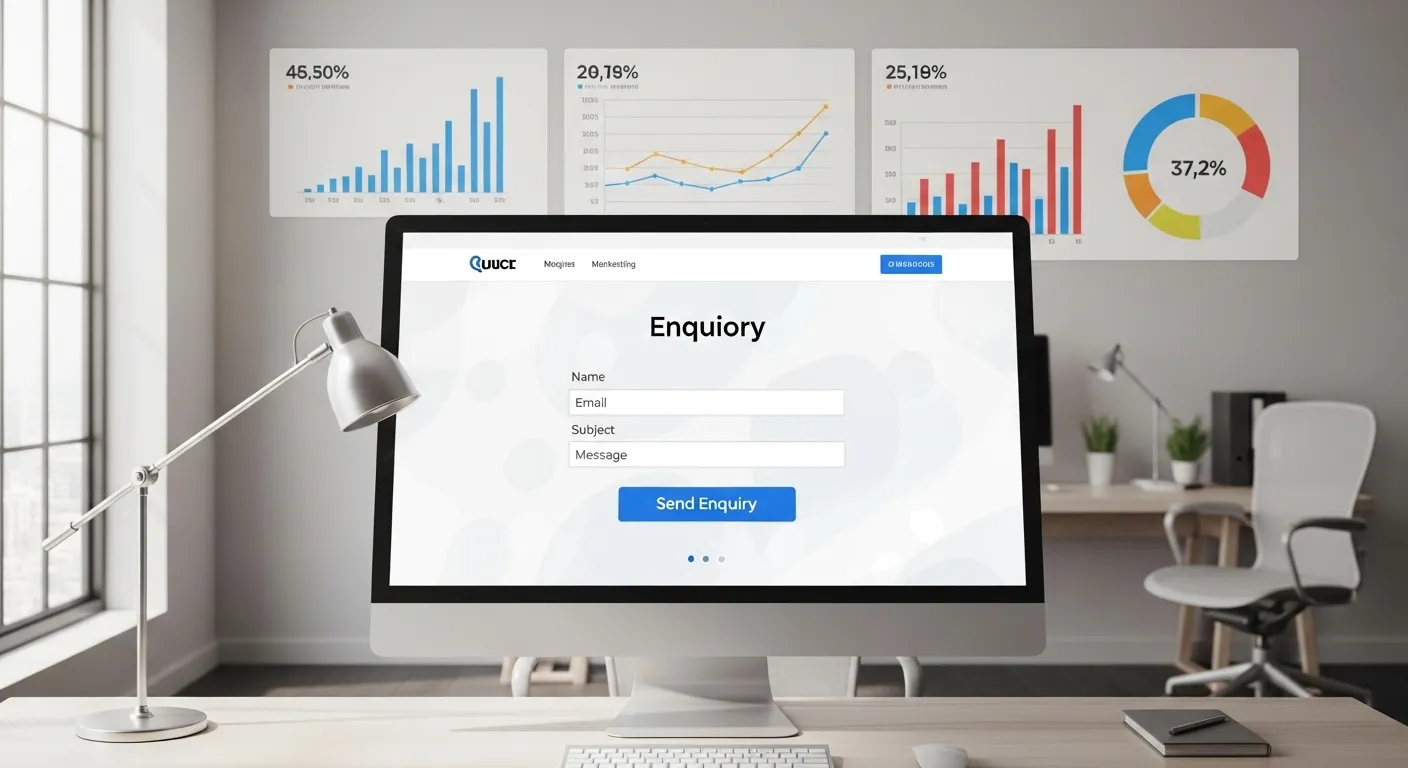
Place the call to action above the fold and repeat it further down the page. Keep forms simple. Fewer fields increase completion rates. The goal is to reduce friction and make the next step feel easy.
User-Centered Layout And Visual Hierarchy
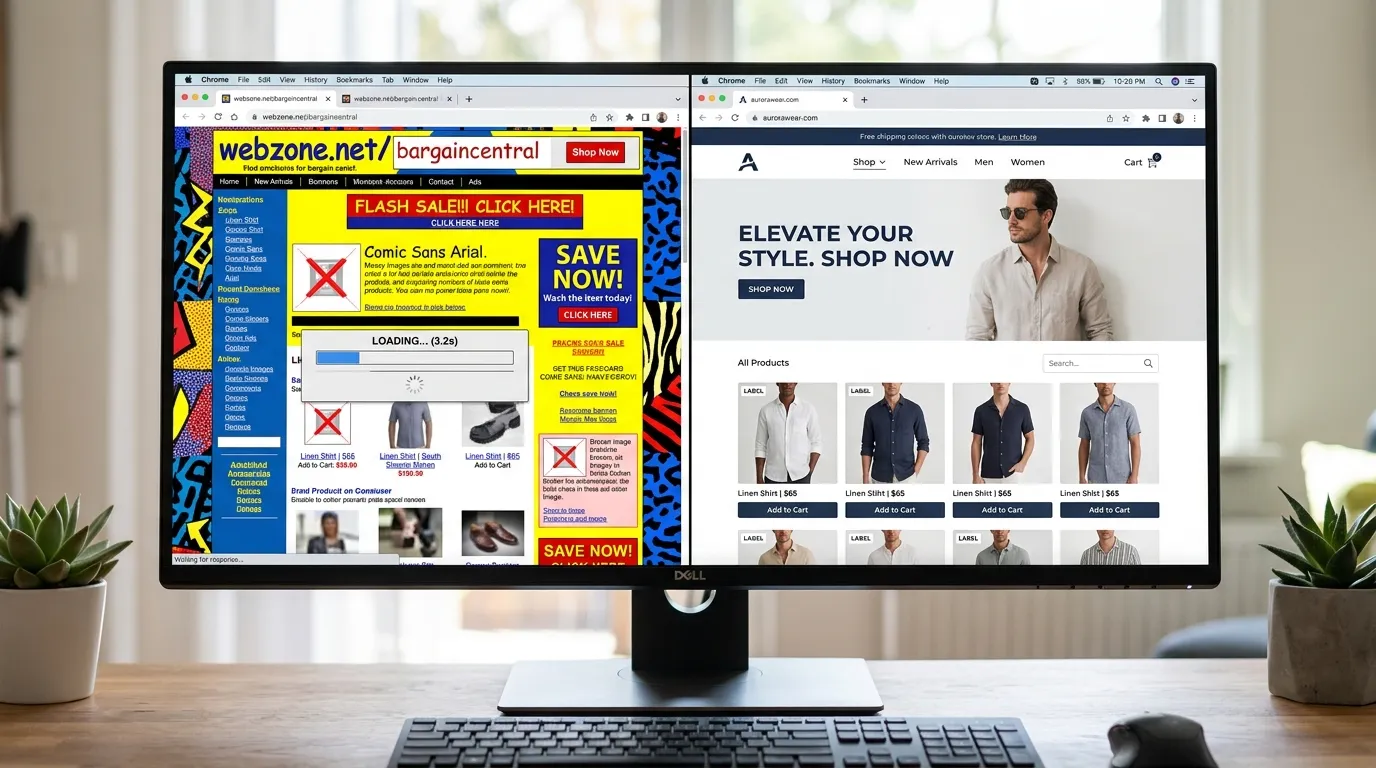
A high-converting layout guides the eye naturally. Use visual hierarchy to highlight the most important elements such as headline, benefits, proof, and call to action. Size, spacing, and contrast help control attention.
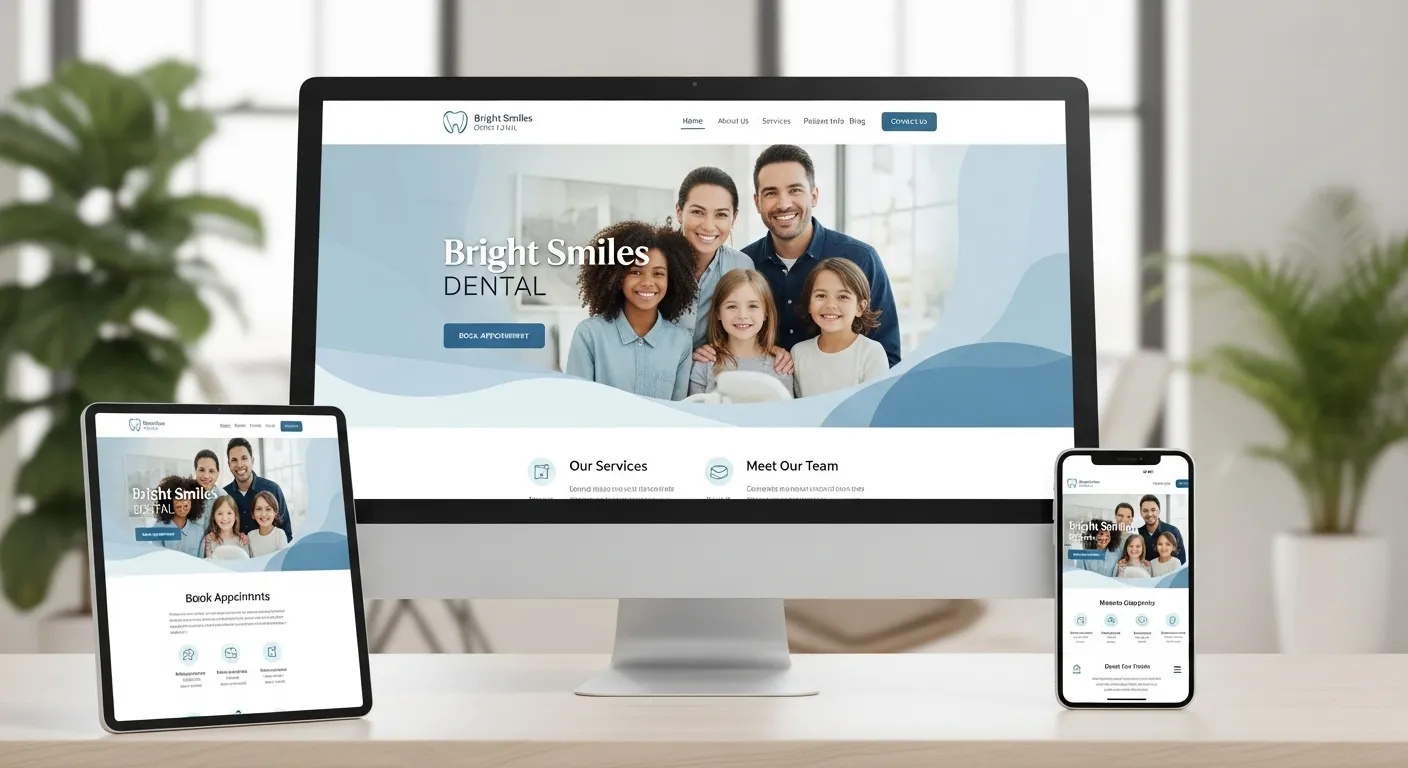
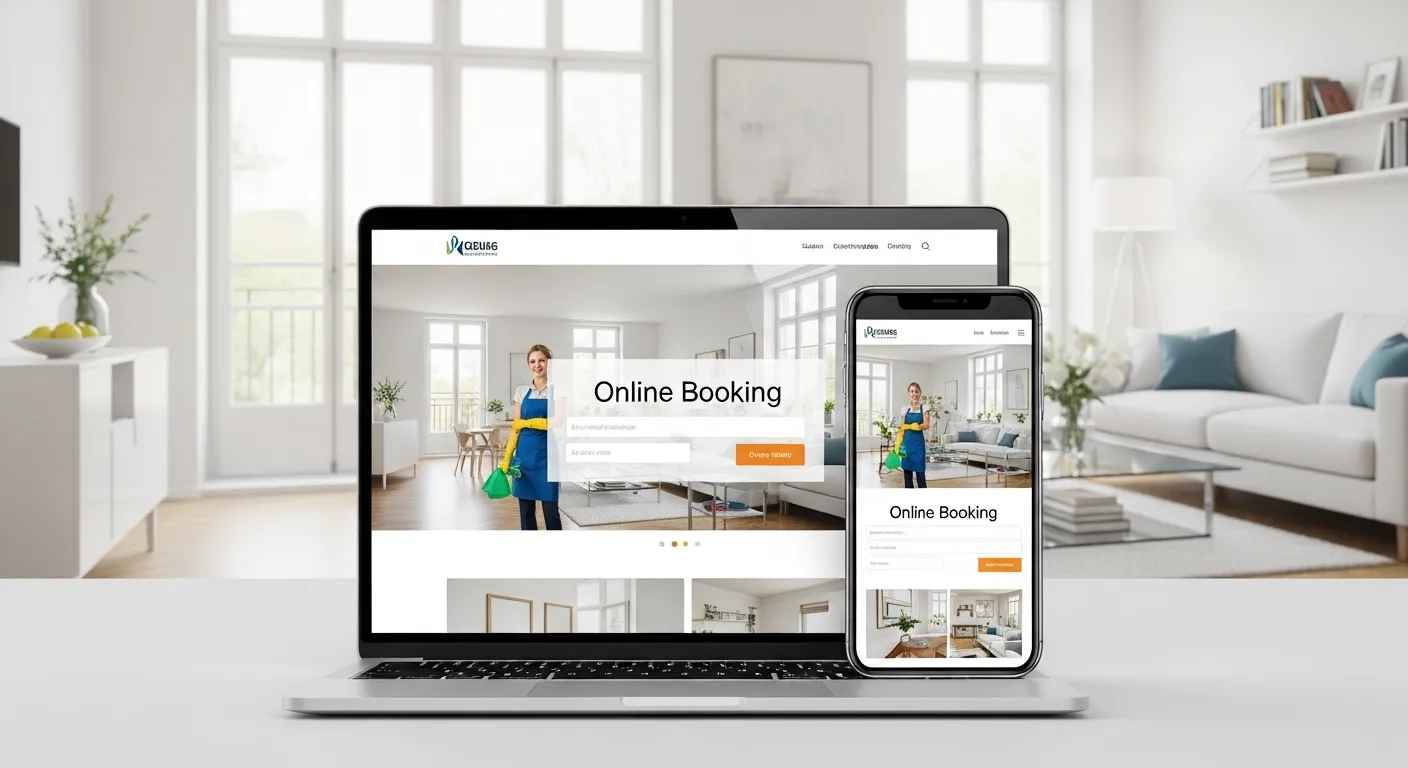
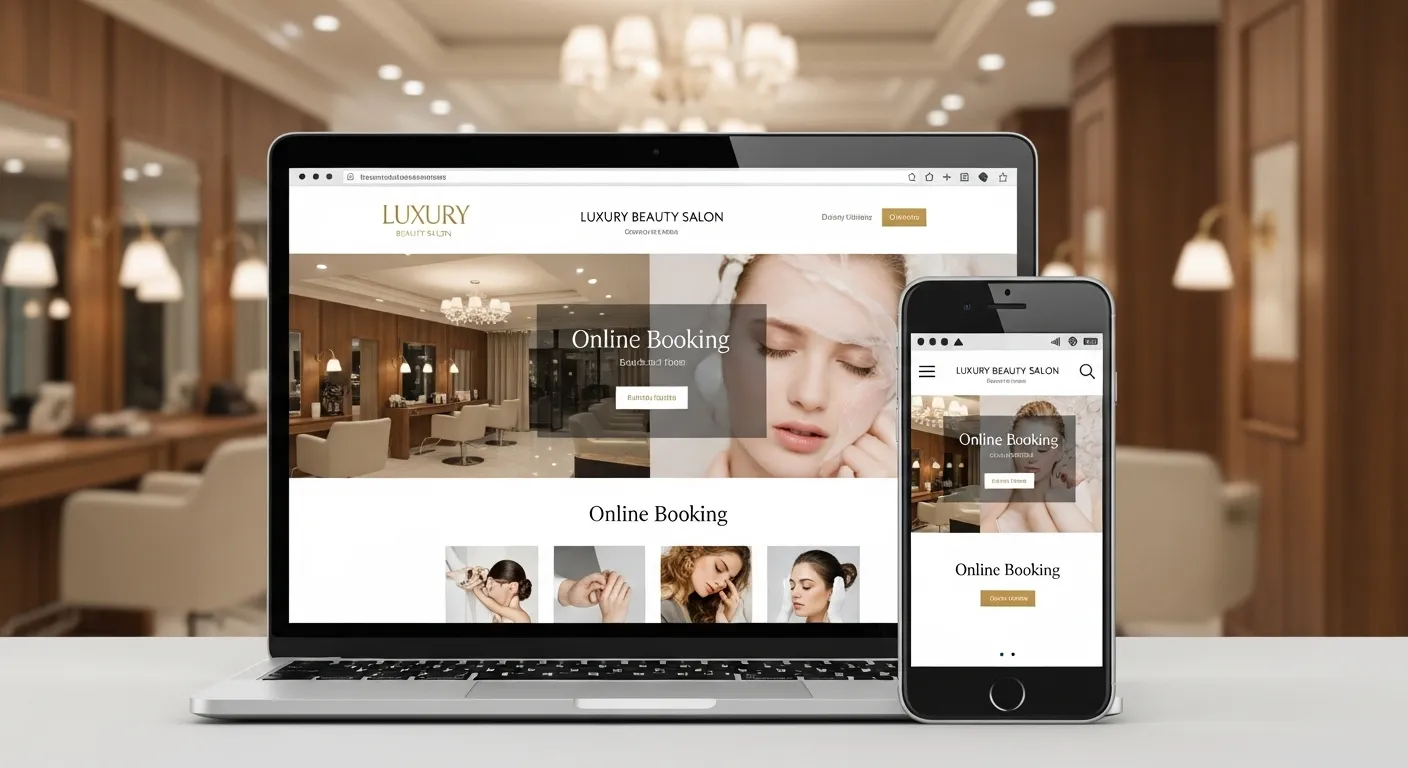
White space improves readability. Short paragraphs and clear sections make scanning easier. Responsive design ensures the page works on mobile devices, tablets, and desktops. Since most traffic comes from smartphones, mobile optimization directly impacts conversion rate.
Persuasive Copy That Speaks To Intent
Strong copy connects with user intent. If someone searches for “CRM for real estate agents,” your page should reflect that exact need. Match the language of your audience and address their specific challenges.
Focus on benefits, not features. Instead of listing software tools, explain how those tools save time or increase revenue. Use simple language, short sentences, and clear structure. Good copy feels natural and builds confidence.
Social Proof And Trust Signals
Trust signals reduce hesitation. Include testimonials, reviews, case studies, star ratings, and client logos. Real names and photos increase credibility. Data-backed results such as “Increased conversions by 42%” add authority.
Security badges, privacy assurances, and refund policies also matter. Visitors want to know their data is safe. Trust is often the difference between a bounce and a conversion.
Fast Loading Speed And Technical Performance
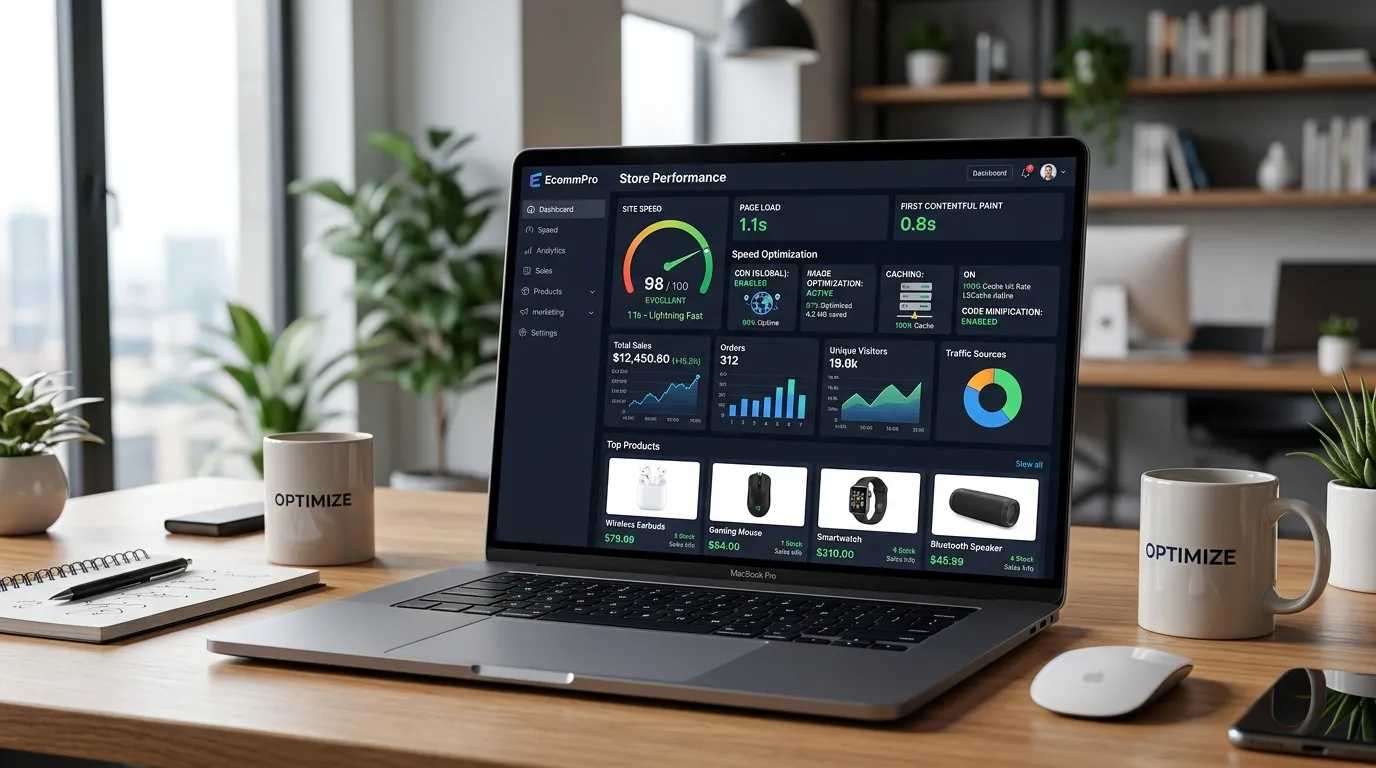
Page speed affects both SEO and conversions. A delay of even one second can reduce engagement. Compress images, minimize scripts, and use clean code to improve load time.
Core Web Vitals such as Largest Contentful Paint and Cumulative Layout Shift influence rankings. A stable, fast page keeps users engaged. Technical performance supports every other design element.
Strong Visual Elements And Media
Images and videos should support your message, not distract from it. Use product screenshots, explainer videos, or lifestyle images that reflect your target audience. Visuals must feel relevant and real.
Avoid stock photos that look generic. Authentic visuals increase trust and emotional connection. Keep file sizes optimized to maintain speed while still delivering clarity.
Structured Content For SEO And Voice Search
Search engines rely on structured content. Use clear H1, H2, and H3 headings. Include semantic keywords such as conversion rate optimization, user experience, landing page builder, lead generation, and bounce rate.
Answer common questions directly within the content. This improves visibility in featured snippets and voice search results. Internal linking and proper meta tags also strengthen organic performance.
Continuous Testing And Optimization
No landing page is perfect on launch. A/B testing helps you compare headlines, button colors, layouts, and offers. Even small changes can increase conversions over time.
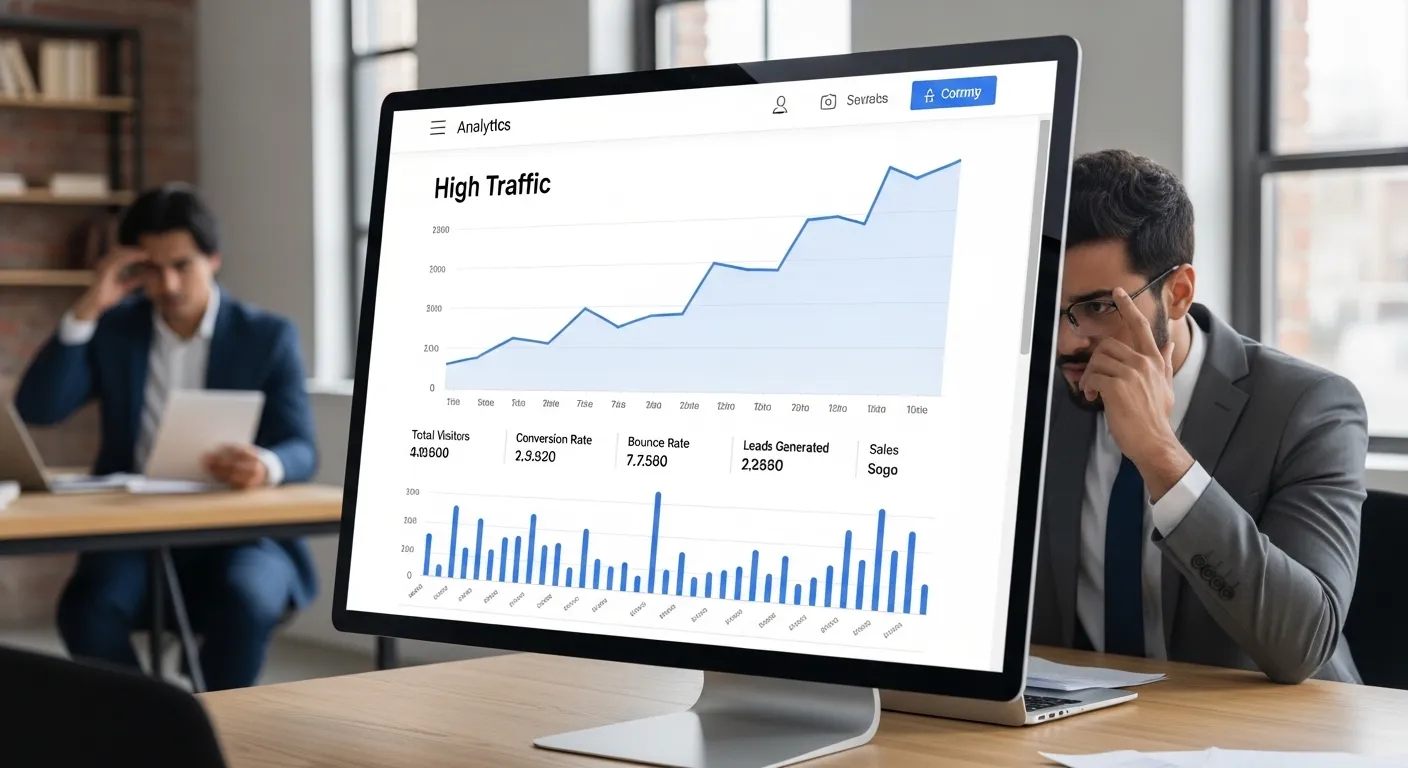
Use tools like Google Analytics and heatmaps to track user behavior. Study scroll depth, click patterns, and exit pages. Data-driven improvements lead to steady growth without guesswork.
Conclusion
Landing page design is a mix of psychology, clarity, and technical strength. When your value proposition is clear, your layout guides attention, and your proof builds trust, conversions improve.
Focus on user intent. Remove friction. Test and refine. A land