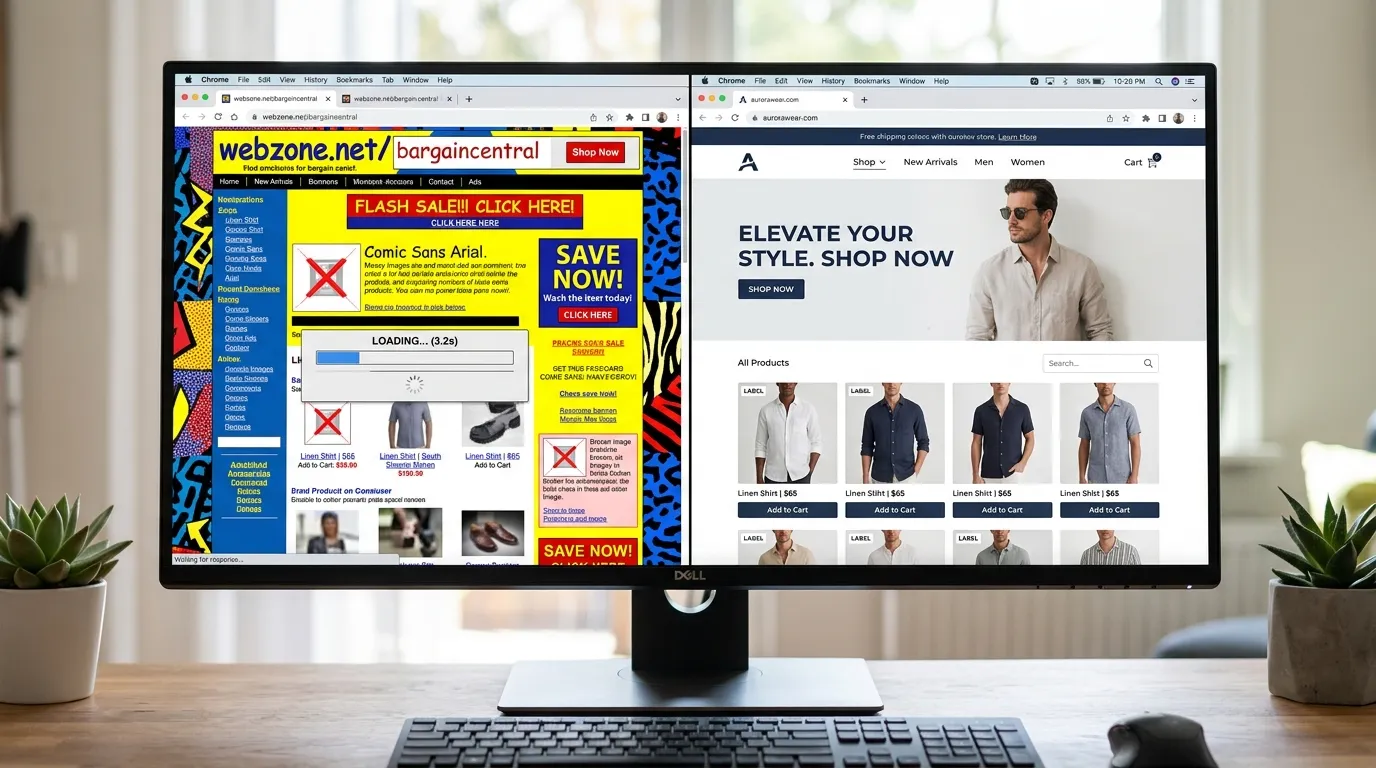
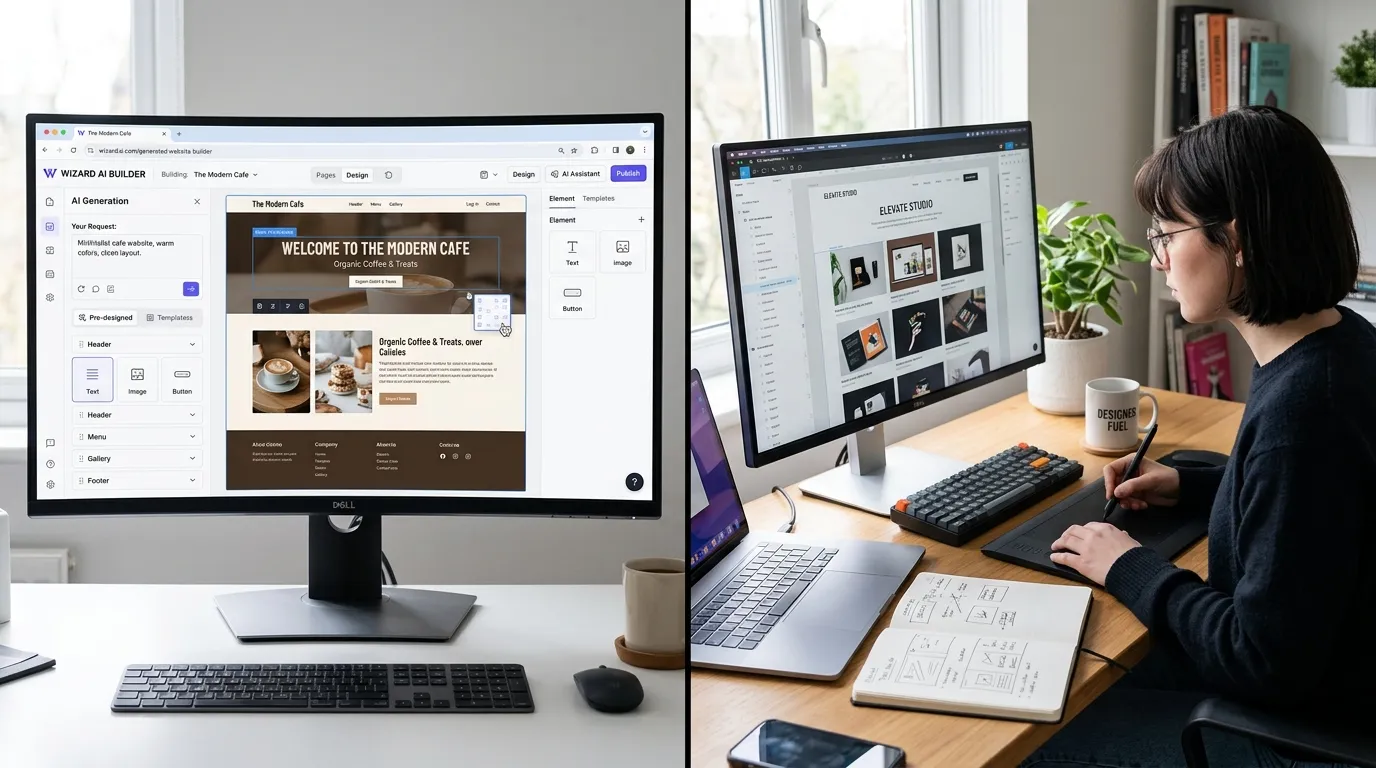
AI websites are becoming common as businesses look for faster and cheaper ways to get online. Many tools now promise full websites in minutes with little effort.
This sounds great, but there are clear trade-offs that people often miss. What this really means is you can save time, but you need to understand both the strengths and the limits before relying on AI.
What Are AI Websites?
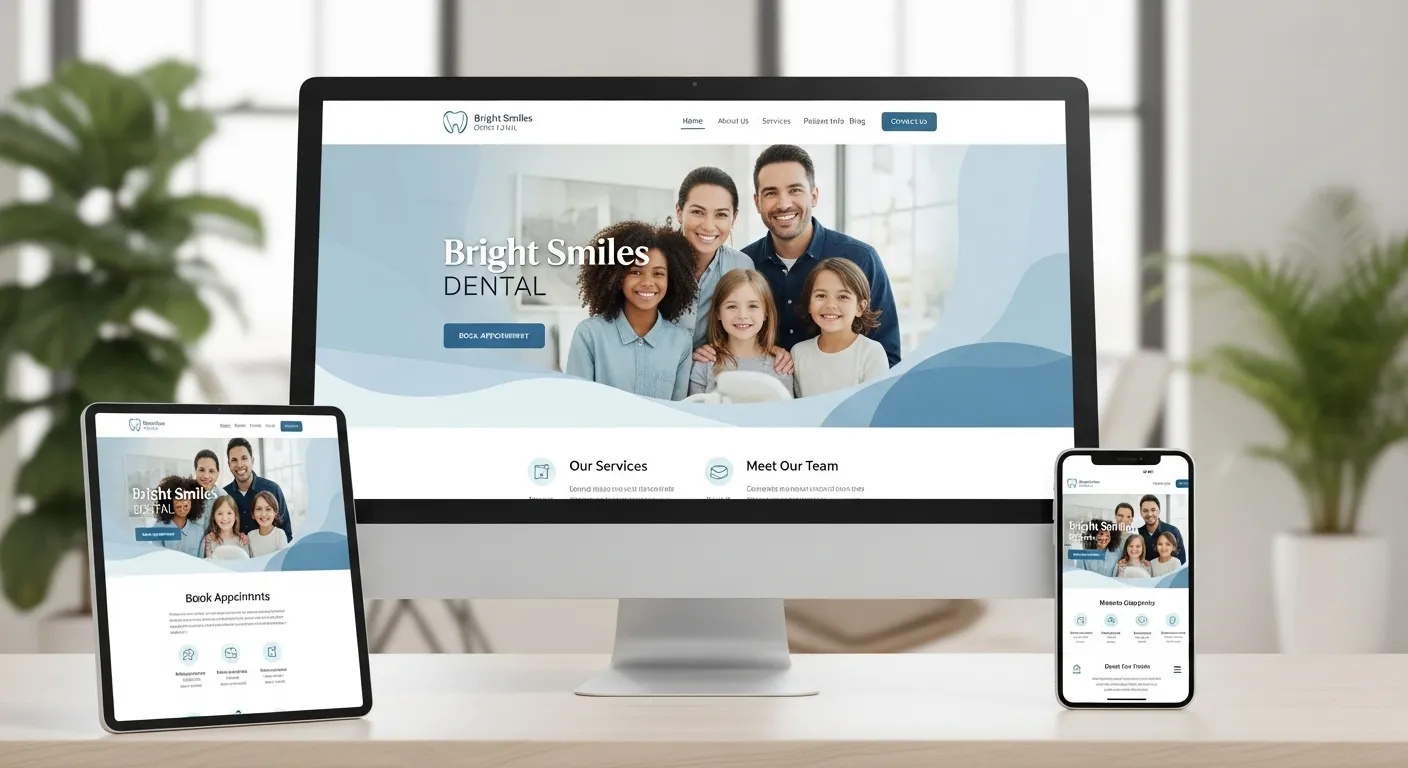
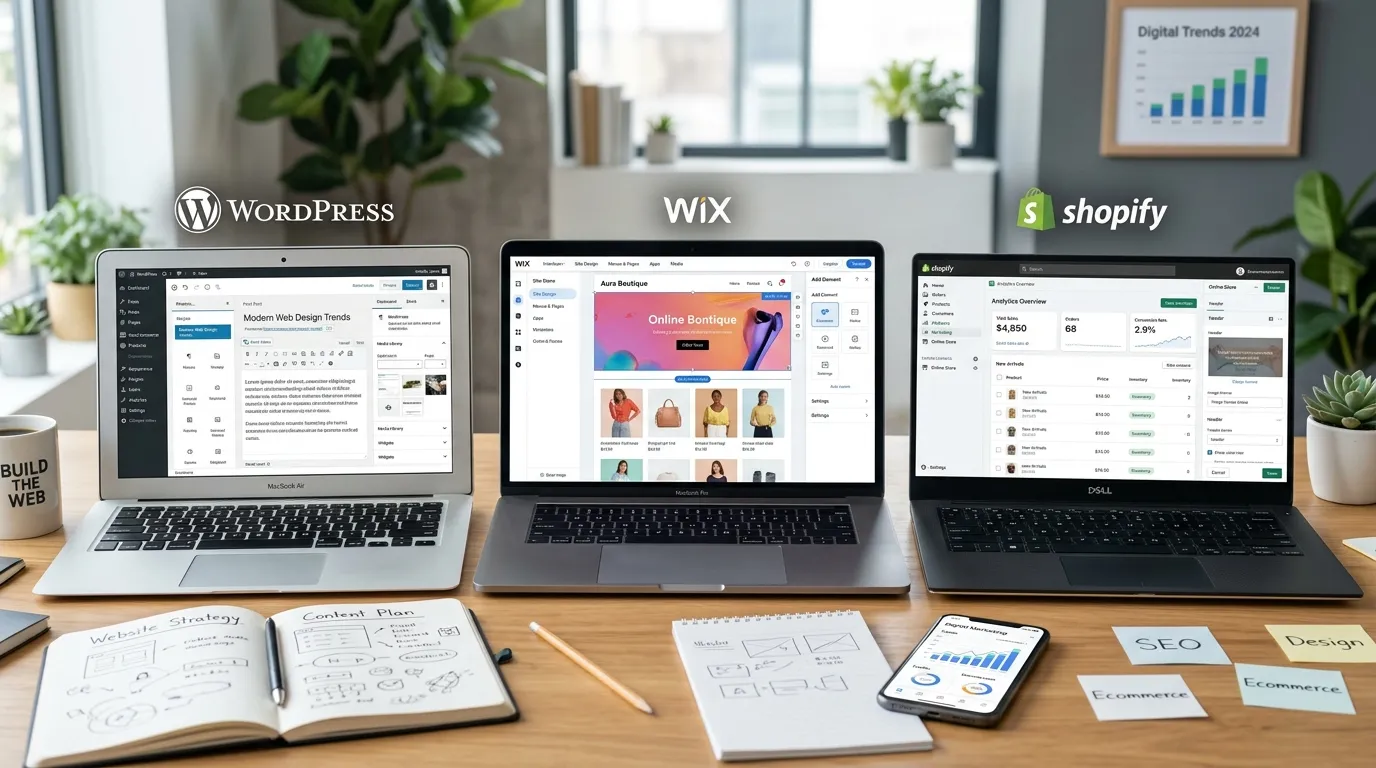
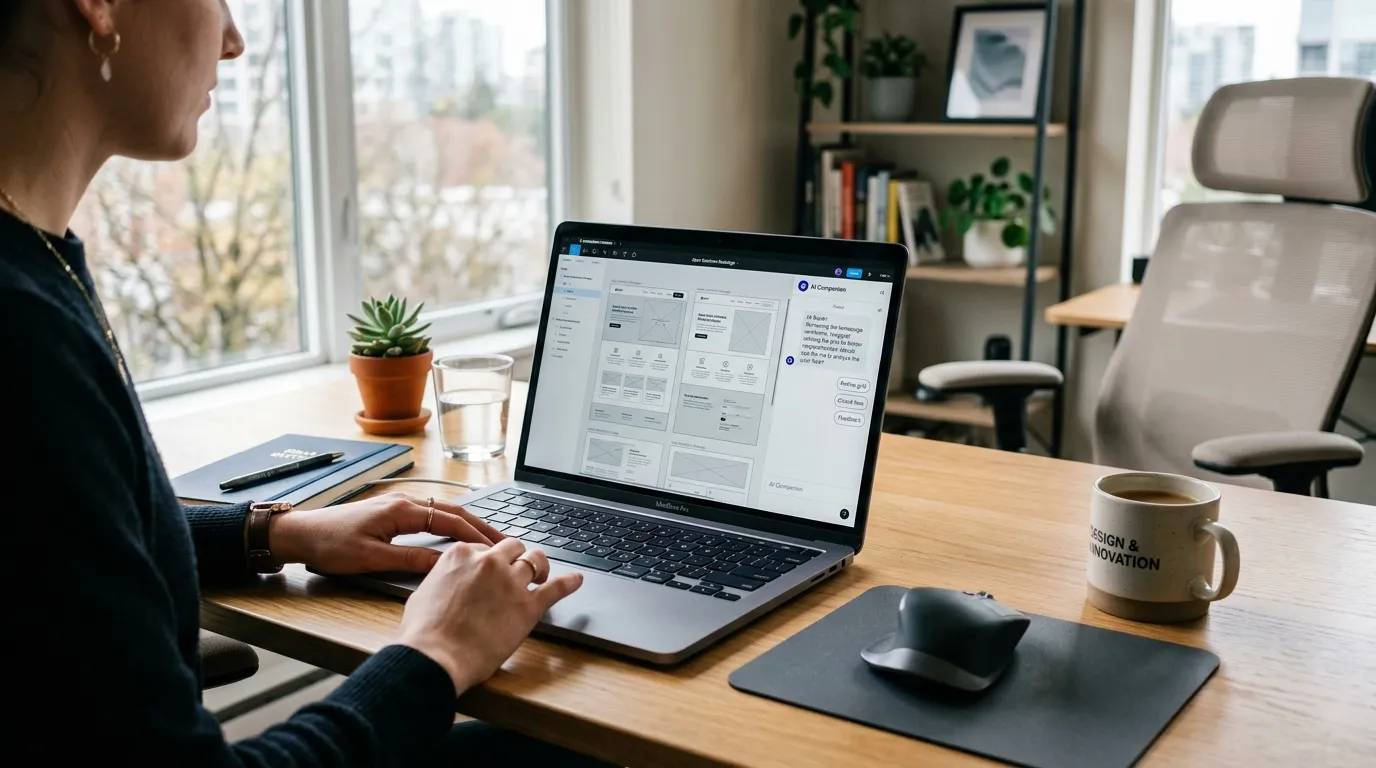
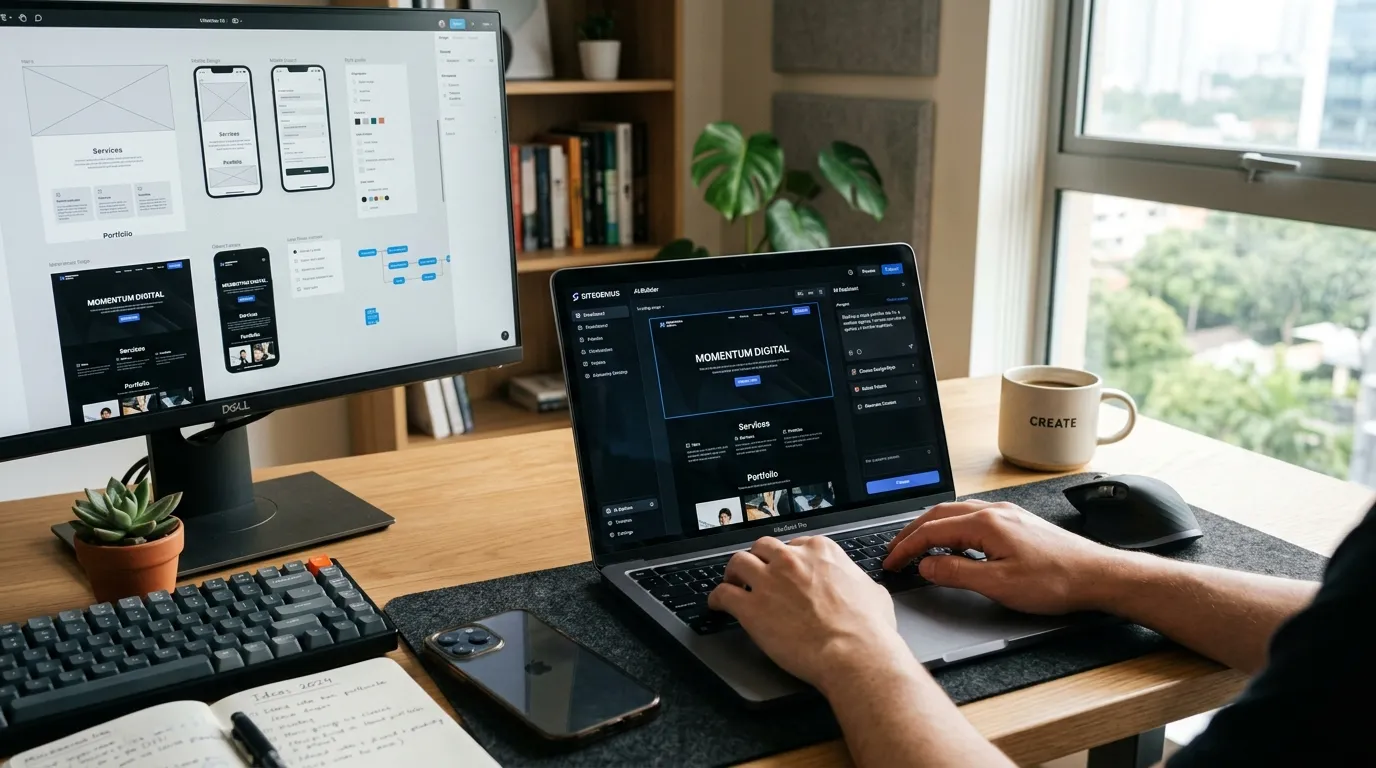
AI websites are built using tools that create design, layout, and content based on user input. Platforms like Wix and Shopify use AI to generate pages quickly.
These systems study patterns from many websites and apply them to your project. The result is a ready-made site that still needs editing to match your brand.
Pros Of AI Websites
The biggest benefit is speed, as you can launch a website in hours instead of weeks. AI also lowers cost since you do not need a full design team.
It helps with basic content, layout, and setup, which is useful for beginners. For small businesses, this makes starting online much easier and less stressful.
Cons Of AI Websites
AI websites often lack a unique feel because many users rely on the same templates. Content can sound generic if it is not edited properly.
There are also limits in design flexibility and advanced features. This can make it hard for a business to stand out in a competitive market.
Impact On SEO And Rankings
AI can help structure pages with headings, keywords, and meta tags. It uses insights based on systems like Google to guide content creation.
However, ranking depends on real value, user engagement, and trust signals. AI alone cannot guarantee strong search performance without human input.
Cost Vs Quality Comparison
AI websites are cheaper upfront, which attracts startups and small businesses. You save on design and development costs, making it easier to launch quickly.
But lower cost can sometimes mean lower quality if the site is not improved later. Investing time in edits is key to getting better results.
Customization And Flexibility Limits
Most AI tools offer limited control over design and structure. You can adjust colors, text, and layout, but deep customization is often restricted.
Businesses with unique needs may find these limits frustrating. This is where custom development still has an advantage.
When AI Websites Make Sense?
AI websites work well for simple business sites, landing pages, and early-stage startups. They are also useful for testing ideas before spending more money.
If your goal is quick online presence, AI is a good option. It helps you start fast without technical skills.
When To Avoid AI Websites?
AI websites are not ideal for complex platforms or brands that need a strong identity. Businesses that rely on unique design or advanced features may struggle with AI tools.
In such cases, a custom-built website is a better choice. This ensures better control and long-term growth.
Conclusion
AI websites offer speed and affordability, which makes them attractive for many businesses. But they also come with limits in quality, uniqueness, and flexibility. T
he best approach is to use AI as a starting point and improve it with human input. That balance helps create a website that actually works for your business.