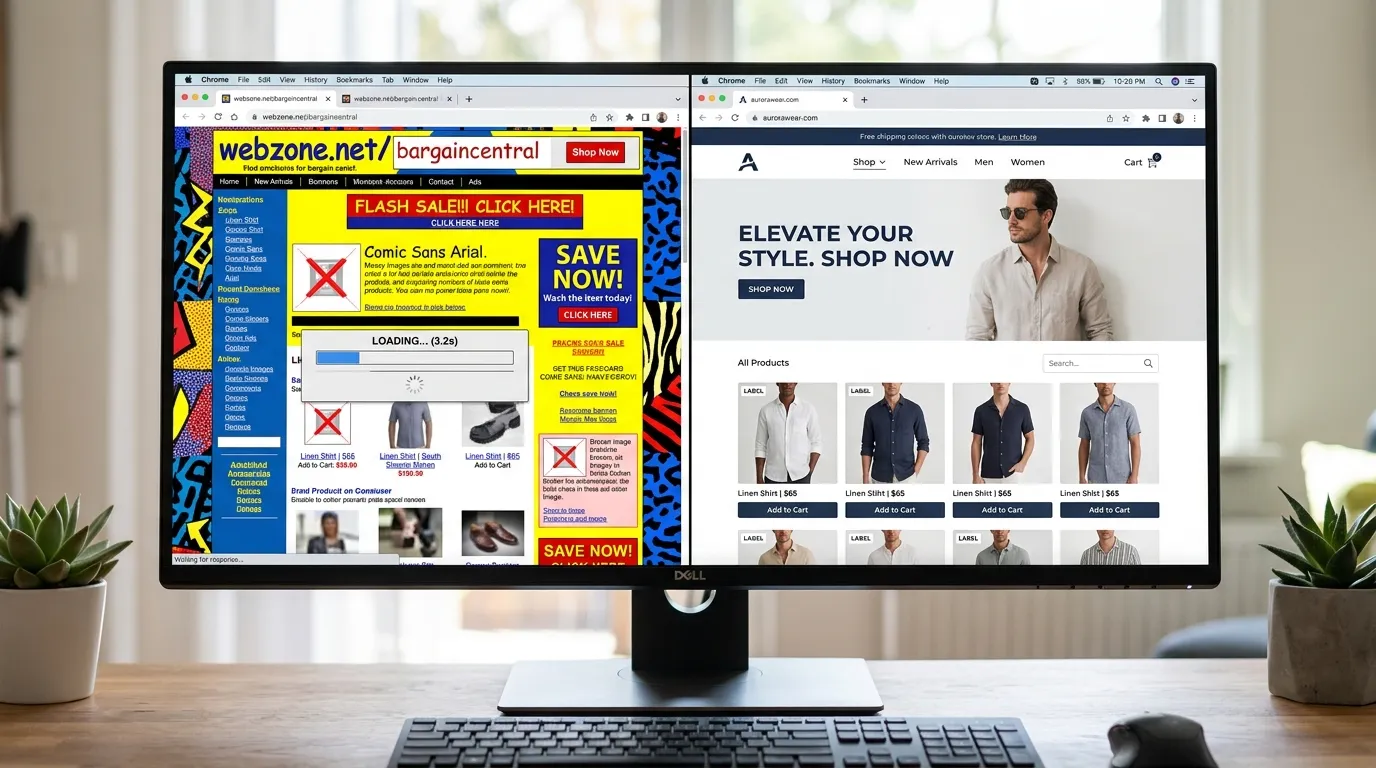
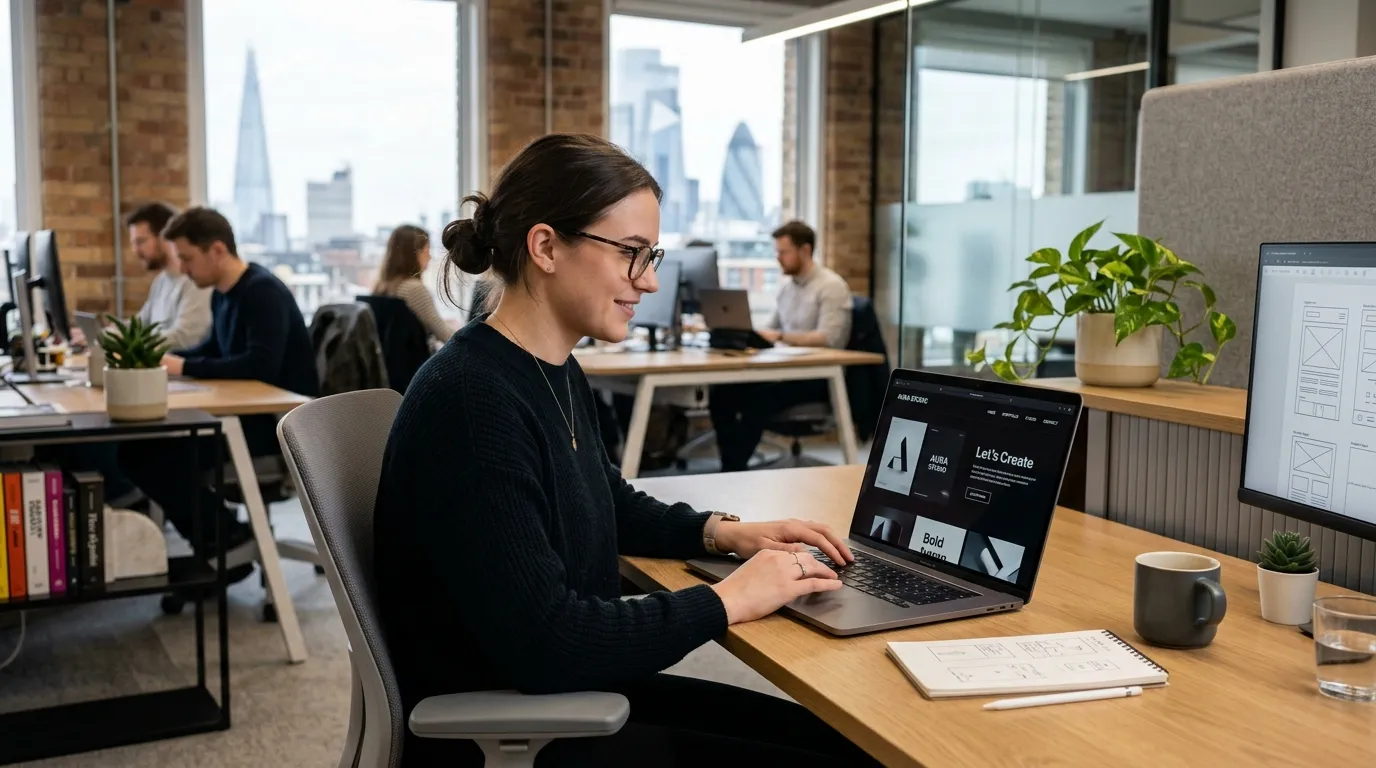
Web design in the UK is changing fast as businesses shift more of their focus online. Users now expect clean design, fast load times, and easy navigation on every device.
Many companies are moving away from old layouts and choosing smarter, data-driven designs. What this really means is websites must work harder to keep users engaged and turn visits into real results.
Rise Of AI In Web Design
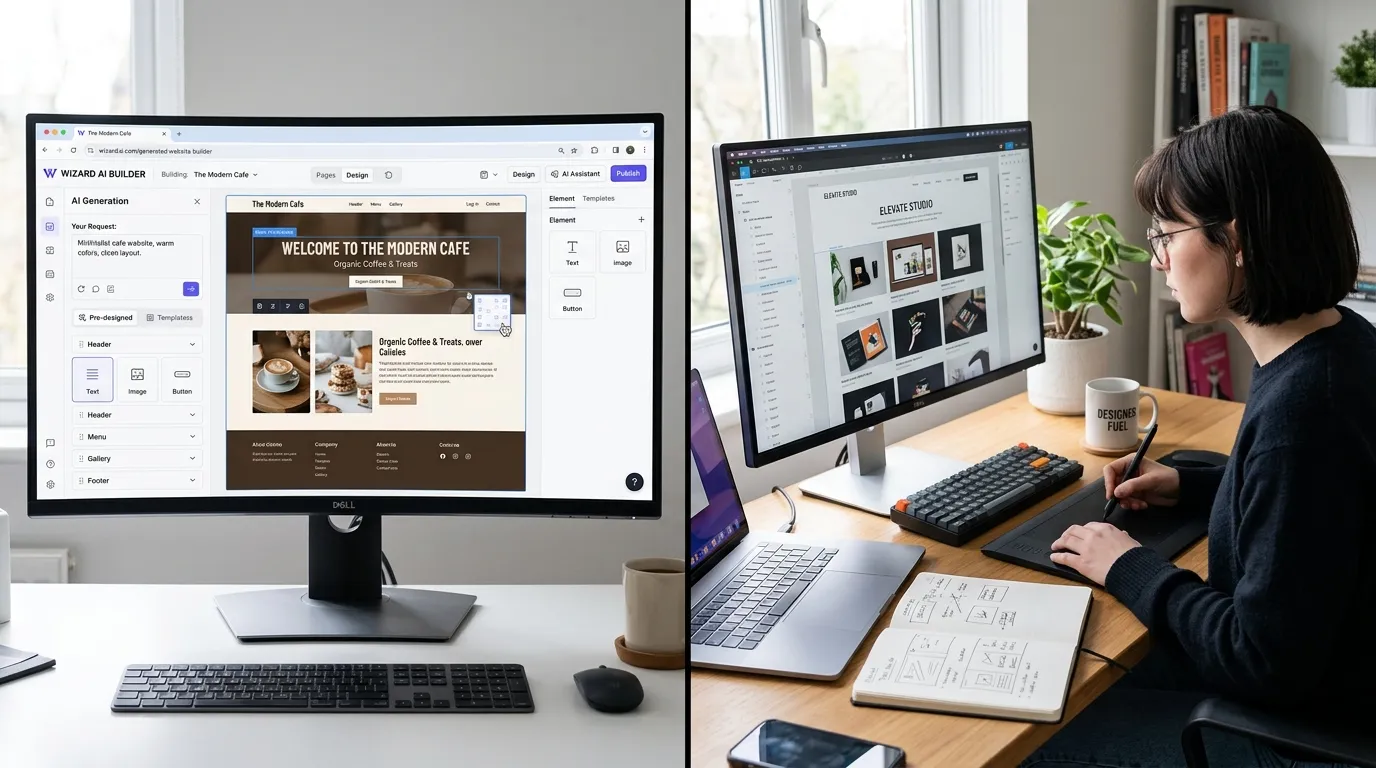
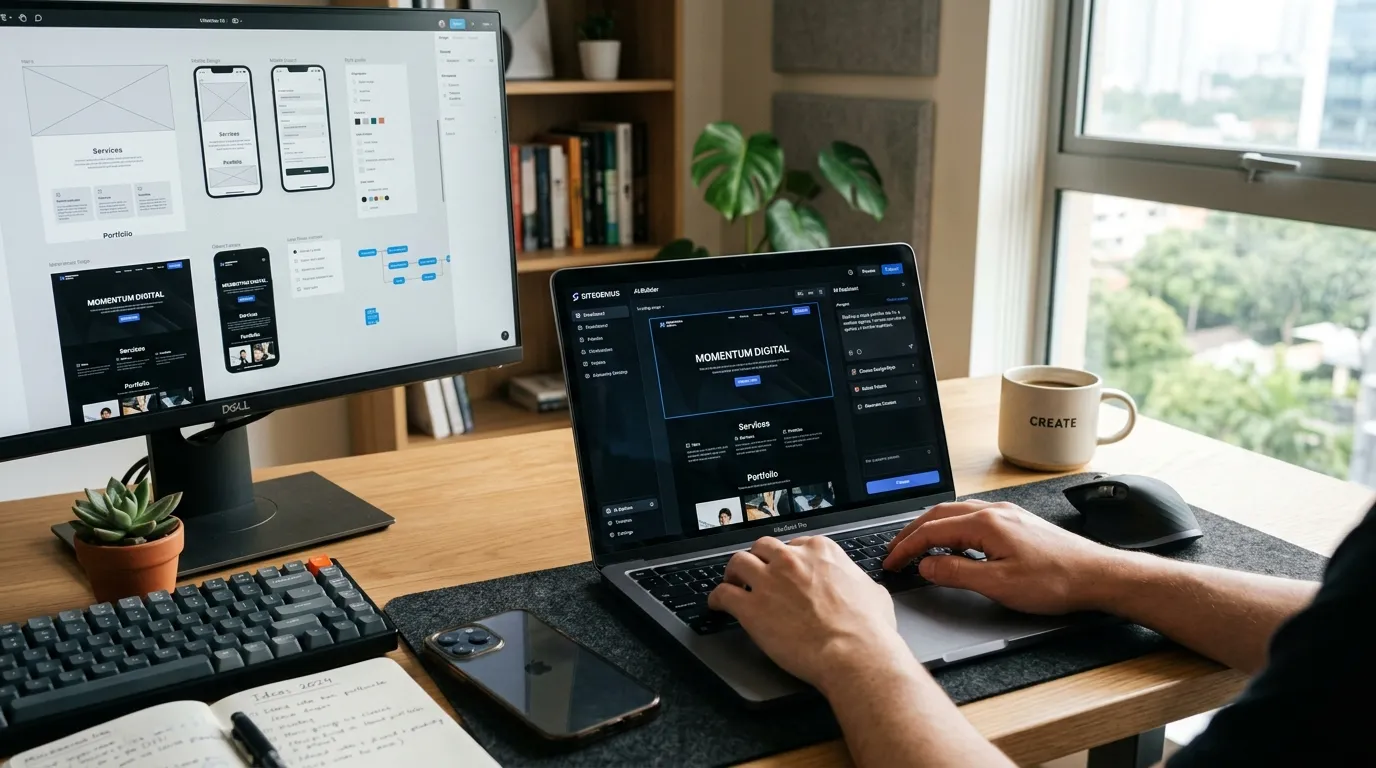
AI is playing a bigger role in how websites are planned and built. Tools from OpenAI are helping designers create layouts and content in less time. Platforms like Wix are adding AI features that build pages based on user input. This shift allows faster launches, but still needs human edits to keep things natural.
Focus On User Experience And Speed
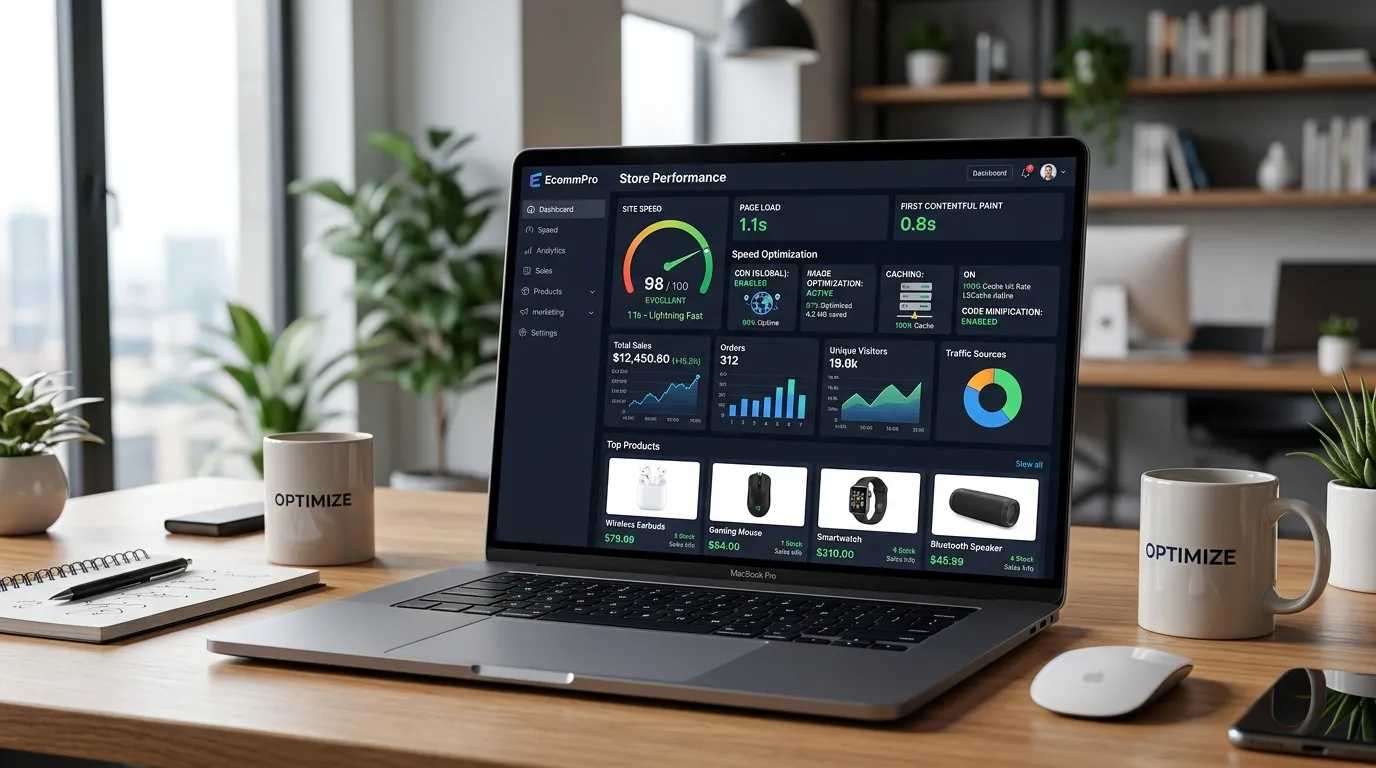
User experience is now a top priority for businesses across the UK. Search systems from Google reward websites that load fast and are easy to use. Clean layouts, simple navigation, and mobile-friendly design are now standard. If a website feels slow or confusing, users leave quickly, which affects both traffic and sales.
Mobile First Design Approach
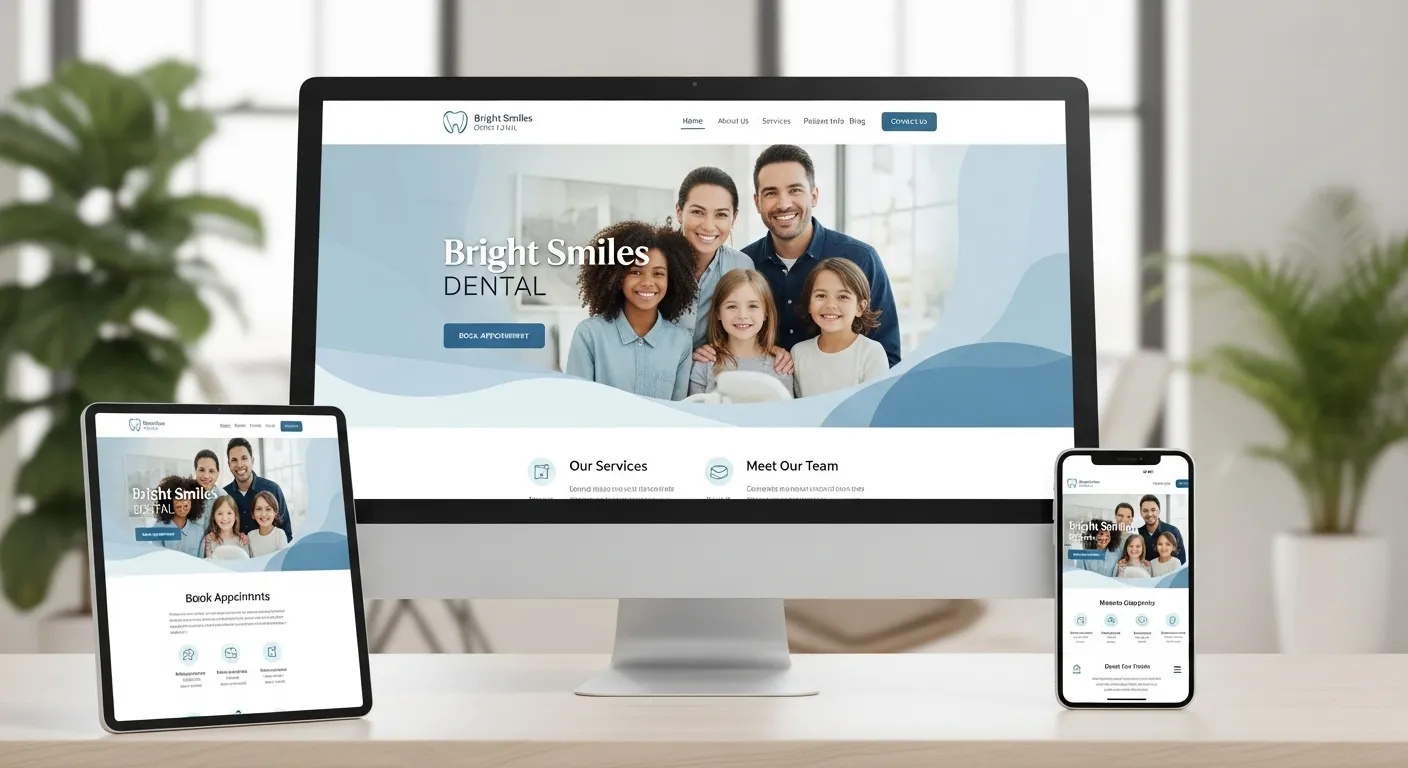
Most users in the UK browse websites on their phones, which has changed how sites are built. Designers now start with mobile layouts before scaling up to larger screens. This approach ensures smooth browsing, better readability, and faster load times. It also helps websites perform better in search results and user engagement.
Personalization And Smart Content
Websites are becoming more personal by showing content based on user behavior. Businesses are using data to display relevant products, services, and offers. This makes users feel understood and improves conversion rates. Smart content also keeps visitors on the site longer, which helps build trust over time.
Growth Of No Code And Low Code Tools
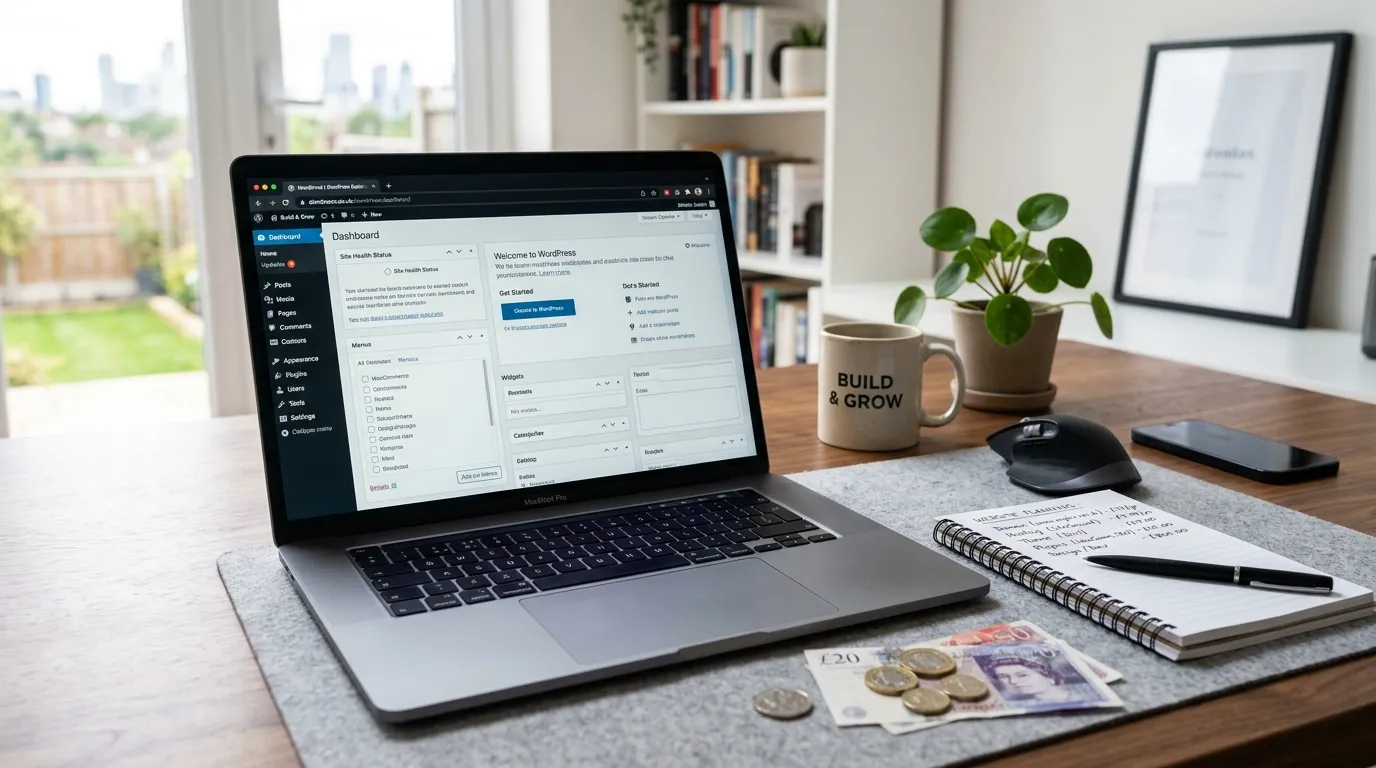
No code and low code platforms are making web design easier for non-developers. Tools like WordPress and Shopify allow users to build full websites without writing code. This reduces cost and speeds up development. Many small businesses in the UK are using these tools to get online quickly.
Importance Of SEO In Web Design
SEO is now part of the design process, not something added later. Websites are built with proper structure, headings, and fast performance from the start. Search trends and user intent guide how pages are created. This approach helps websites rank better and attract the right audience.
Accessibility And Inclusive Design
Websites in the UK are focusing more on accessibility to serve all users. This includes readable fonts, clear contrast, and easy navigation for people with different needs. Inclusive design also helps businesses reach a wider audience. It is becoming a standard practice rather than an optional feature.
Future Trends Shaping UK Websites
New trends like voice search, simple animations, and clean layouts are shaping modern websites. Businesses are avoiding clutter and focusing on clarity. Integration with tools like chat support and automation is also growing. These changes are helping websites become more useful and user-friendly.
Conclusion
The future of web design in the UK is focused on speed, simplicity, and user needs. AI and no code tools are making website creation easier, but human input still shapes quality. Businesses that adapt to these changes will stay ahead and build stronger online presence. A good website is no longer optional, it is a core part of business growth.